
Operation Manager Duties and Responsibilities: A Comprehensive Overview
Operation Managers are vital for organizational success, blending process improvement, quality assurance, and technology support—a truly versatile role․

They often act as the “right hand” to Store Managers, ensuring smooth daily operations, especially during special tasks and remodels․
Operation Managers occupy a pivotal position within organizations, frequently functioning as a versatile “catch-all” department․ Their responsibilities span a broad spectrum, encompassing process improvement initiatives, rigorous quality assurance protocols, and crucial technology backup/systems redundancy measures․
Effectively, they serve as the essential support structure, often acting as the “right hand” to Store Managers, particularly during periods of special tasks, inventory management, or store remodels․ A skilled Operations Manager doesn’t merely take direction; they proactively define the scope of Operations, impacting all organizational verticals, and strategically planning for future departmental growth;
II․ Core Responsibilities of an Operation Manager
Core responsibilities center around ensuring stores operate smoothly and efficiently, consistently delivering excellent customer service while achieving financial targets․ This includes comprehensive management of daily operations and direct oversight of employees, encompassing recruitment, training, scheduling, and performance monitoring․
Furthermore, Operation Managers are accountable for monitoring key financial indicators, diligent budgeting, and stringent cost control․ They must also prioritize regulatory compliance, proactively identify and mitigate operational risks, and champion continuous process improvement․
III․ Strategic Planning and Implementation
Strategic planning for an Operation Manager involves defining the operational scope, not just for the department itself, but considering its impact across the entire organization․ This requires long-term department planning, building the current team while simultaneously envisioning the future needs of the operations function․
A truly effective manager doesn’t just take direction; they proactively define operations, setting boundaries and establishing a clear vision for sustained growth and improvement․
A․ Defining Operational Scope
Defining operational scope is paramount for an Operation Manager, extending beyond immediate departmental functions․ It necessitates a comprehensive understanding of how operations intersect with other verticals within the organization․ This involves clearly outlining responsibilities, establishing boundaries, and proactively identifying areas where operational expertise can drive improvements․
A great manager doesn’t simply react to needs; they anticipate them, shaping the operational landscape to support overall company objectives and future expansion․
B․ Long-Term Department Planning
Long-term department planning for Operations isn’t about building the team and statement for today, but strategically envisioning the department’s evolution․ This requires anticipating future needs, scaling infrastructure, and proactively identifying necessary skillsets․ It’s about building a resilient and adaptable operational foundation․
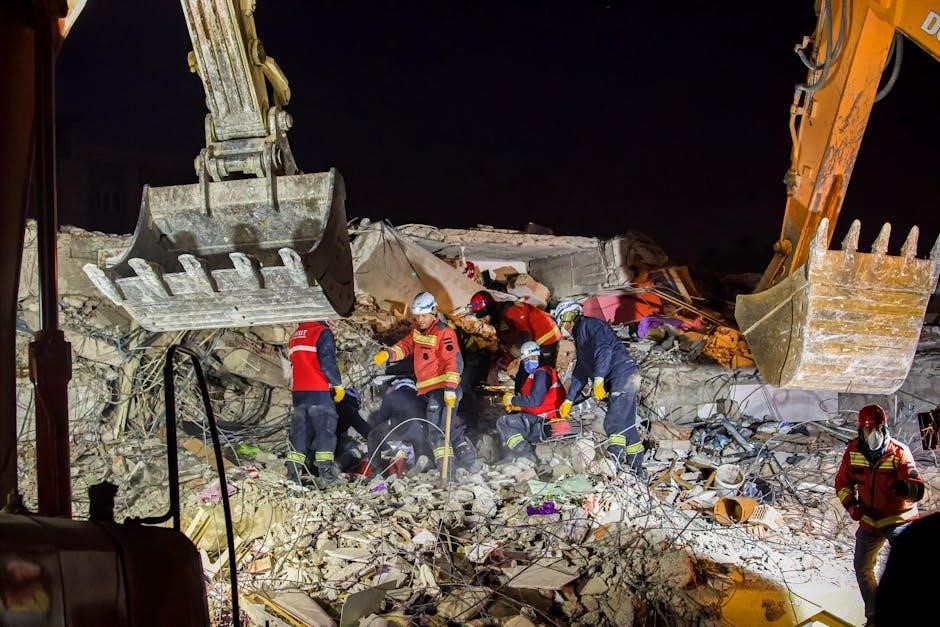
Effective planning ensures the department can support not only current demands but also the organization’s projected growth and evolving strategic priorities․
IV․ Daily Operational Management
Daily operational management centers on ensuring consistent, efficient execution․ This encompasses overseeing all day-to-day activities, maintaining smooth workflows, and proactively addressing potential disruptions․ In a retail setting, this translates to guaranteeing seamless store operations, optimizing customer experiences, and upholding service standards․
The Operations Manager frequently steps in to manage the store directly, particularly when Store Managers are occupied with special tasks, inventories, or remodels․
A․ Overseeing Day-to-Day Activities
Overseeing daily activities demands a proactive approach to maintaining operational efficiency․ This involves meticulous monitoring of workflows, ensuring adherence to established procedures, and swiftly resolving any arising issues․ The Operations Manager is responsible for managing employees, monitoring financial performance, and guaranteeing regulatory compliance․

Effectively, they ensure the store operates smoothly, delivering excellent customer service while consistently meeting financial targets – a critical balancing act․
B․ Ensuring Smooth Store Operations (Retail Focus)
In a retail setting, smooth store operations hinge on the Operations Manager’s ability to maintain a consistently positive customer experience․ This includes overseeing all facets of the store’s functionality, particularly when Store Managers are frequently deployed for special tasks like supporting underperforming locations, managing inventories, or overseeing remodels․
The Operations Manager essentially assumes charge during these absences, guaranteeing uninterrupted service and upholding established standards of efficiency and customer satisfaction․
V․ Employee Management and Development
Effective employee management is central to an Operation Manager’s role, encompassing recruitment, training, scheduling, and performance monitoring․ Building a capable team requires strategic hiring practices and comprehensive onboarding programs to ensure staff are well-equipped․
Ongoing development is crucial, alongside fair and consistent scheduling․ Regular performance evaluations provide opportunities for feedback and growth, ultimately boosting overall team productivity and morale within the organization․
A․ Recruitment and Training
Strategic recruitment is the foundation of a high-performing team, demanding a keen eye for talent and a clear understanding of required skillsets․ Operation Managers oversee the entire hiring process, from job postings to interviews and selection․
Comprehensive training programs are equally vital, ensuring new hires quickly integrate and contribute effectively․ This includes onboarding, skill development, and ongoing education to maintain a competitive and capable workforce․

B․ Scheduling and Performance Monitoring
Effective scheduling is crucial for optimizing labor costs and ensuring adequate staffing levels to meet customer demand․ Operation Managers create and manage schedules, considering employee availability, skillsets, and peak business hours․
Regular performance monitoring is equally important, involving tracking key metrics, providing constructive feedback, and identifying areas for improvement․ This data-driven approach fosters employee growth and enhances overall operational efficiency․
VI․ Financial Performance Management
Operation Managers play a key role in safeguarding a company’s financial health․ This involves diligently monitoring key financial indicators, such as sales, expenses, and profitability, to identify trends and potential issues․
Furthermore, they are responsible for budgeting and cost control, ensuring resources are allocated effectively and expenses remain within acceptable limits․ This proactive financial oversight contributes directly to the organization’s bottom line and long-term sustainability․
A․ Monitoring Key Financial Indicators
Effective monitoring of financial indicators is central to an Operation Manager’s duties․ This includes consistently tracking sales performance, meticulously analyzing expense reports, and closely observing profit margins․

Identifying trends – both positive and negative – allows for swift corrective action․ Regular review of these metrics provides valuable insights into operational efficiency and informs strategic decision-making, ultimately contributing to improved financial outcomes․
B․ Budgeting and Cost Control
Budgeting and cost control are paramount responsibilities for Operation Managers․ This involves developing realistic budgets aligned with company goals, and diligently monitoring expenditures against those budgets․
Identifying areas for cost reduction without compromising quality or service is crucial․ Proactive cost management ensures financial stability and maximizes profitability, requiring a keen eye for detail and a strategic approach to resource allocation․
VII․ Compliance and Risk Management
Compliance and risk management are critical functions, demanding meticulous attention to detail․ Operation Managers must ensure adherence to all relevant regulations and internal policies, safeguarding the organization’s legal standing․
Proactively identifying and mitigating potential operational risks – from safety hazards to data breaches – is essential․ This involves implementing preventative measures, developing contingency plans, and fostering a culture of compliance throughout the team․
A․ Ensuring Regulatory Compliance

Regulatory compliance demands a thorough understanding of industry-specific laws and standards․ Operation Managers are responsible for implementing procedures that guarantee adherence to these rules, preventing costly penalties and legal issues․
This includes staying updated on changing regulations, conducting regular audits, and providing training to employees․ Maintaining meticulous records and documentation is crucial for demonstrating compliance during inspections or investigations, protecting the organization’s reputation․
B․ Identifying and Mitigating Operational Risks
Proactive risk management is paramount for operational stability․ Operation Managers must systematically identify potential disruptions – from supply chain vulnerabilities to system failures – and develop mitigation strategies․
This involves assessing the likelihood and impact of each risk, implementing preventative measures, and creating contingency plans․ Regularly reviewing and updating these plans ensures preparedness for unforeseen events, minimizing downtime and protecting the organization’s assets and reputation․
VIII․ Customer Service Excellence
Exceptional customer service is a cornerstone of operational success․ Operation Managers champion a customer-centric culture, ensuring consistently positive experiences․ This includes establishing service standards, empowering employees to resolve issues, and actively seeking customer feedback․
Effectively addressing complaints and proactively identifying areas for improvement are crucial․ Maintaining high satisfaction levels directly impacts brand loyalty and drives sustainable growth, solidifying the organization’s market position․
A․ Maintaining High Customer Satisfaction
Prioritizing customer satisfaction requires a proactive approach, establishing clear service standards and consistently monitoring performance․ Operation Managers must empower staff to resolve issues efficiently and foster a culture of empathy and responsiveness․
Regularly analyzing customer feedback—through surveys, reviews, and direct interactions—provides valuable insights for continuous improvement․ By exceeding expectations, businesses cultivate loyalty and positive word-of-mouth referrals․
B․ Addressing Customer Complaints and Issues
Effective complaint resolution is crucial for maintaining a positive brand image․ Operation Managers must establish clear procedures for handling customer issues promptly and fairly, empowering employees to take ownership of problems․
Thorough investigation, empathetic communication, and offering appropriate solutions are key․ Analyzing complaint trends identifies systemic issues needing correction, preventing recurrence and demonstrating a commitment to customer satisfaction․
IX․ Process Improvement and Optimization
Continuous improvement is central to an Operation Manager’s role․ Identifying inefficiencies within workflows—from inventory management to customer service—is paramount․ This involves data analysis, employee feedback, and a proactive search for bottlenecks․
Implementing process changes requires careful planning, clear communication, and thorough training․ The goal is to streamline operations, reduce costs, enhance quality, and ultimately, improve overall organizational performance and adaptability․
A․ Identifying Areas for Improvement
Proactive assessment is key; Operation Managers must constantly scan for inefficiencies․ This includes analyzing data – financial indicators, customer feedback, and operational metrics – to pinpoint problem areas․ Observing workflows firsthand and soliciting input from employees are crucial steps․
Focusing on redundancies, bottlenecks, and deviations from established standards reveals opportunities․ A keen eye for detail and a commitment to questioning the status quo drive effective identification of improvement areas․
B․ Implementing Process Changes
Strategic rollout of changes is paramount․ Operation Managers translate identified improvements into actionable plans, prioritizing based on impact and feasibility․ Clear communication to all stakeholders – explaining the ‘why’ and ‘how’ – minimizes resistance․
Phased implementation, starting with pilot programs, allows for testing and refinement before full-scale adoption․ Monitoring key metrics post-implementation confirms effectiveness and enables necessary adjustments, ensuring sustained positive outcomes․
X․ Technology and Systems Management
Effective technology oversight is crucial․ Operation Managers often assume responsibility for managing test servers and controlling access permissions, ensuring data integrity and security․ They champion data visualization and reporting tools, transforming raw data into actionable insights․
This includes identifying and implementing systems redundancies to minimize disruptions․ Proactive monitoring and troubleshooting of technological issues are key, alongside staying abreast of emerging technologies to optimize operational efficiency․
A․ Managing Test Servers and Access
Operation Managers frequently oversee test server management, a critical function for software and system updates․ This involves meticulously controlling access permissions, ensuring only authorized personnel can modify or review testing environments․
Maintaining server stability and data security are paramount․ Regular backups and monitoring are essential, alongside coordinating with IT departments for upgrades and maintenance․ Proper access control minimizes risks and ensures reliable testing processes․
B․ Data Visualization and Reporting Tools
Operation Managers often centralize reporting requests and manage data visualization tools, leveraging data science expertise․ This involves selecting, implementing, and maintaining software for tracking key performance indicators (KPIs)․
Creating clear, concise dashboards and reports is crucial for informed decision-making․ They analyze trends, identify areas for improvement, and communicate findings to stakeholders․ Proficiency in these tools empowers proactive problem-solving and strategic planning․
XI․ Inventory and Supply Chain Management
Operation Managers are responsible for maintaining optimal inventory levels to meet demand while minimizing costs․ This includes forecasting, ordering, and tracking stock, preventing shortages or overstocking․

Effective supply chain management involves building strong relationships with suppliers, negotiating contracts, and ensuring timely deliveries․ They oversee the entire process, from procurement to distribution, optimizing efficiency and reducing disruptions․
A․ Maintaining Optimal Inventory Levels
Operation Managers diligently forecast demand to establish appropriate stock levels, balancing the risk of stockouts against the costs of holding excess inventory․ Regular monitoring and analysis of sales data are crucial for accurate predictions․
Implementing inventory control systems, like just-in-time (JIT) or economic order quantity (EOQ), helps optimize stock․ They also manage safety stock to buffer against unexpected demand fluctuations, ensuring consistent product availability․
B․ Managing Supply Chain Relationships
Operation Managers cultivate strong relationships with suppliers, negotiating contracts and ensuring timely deliveries of quality materials․ Effective communication and collaboration are key to resolving supply chain disruptions proactively․
They evaluate supplier performance based on cost, quality, and reliability, seeking opportunities for improvement․ Building a resilient supply chain involves diversifying sources and implementing contingency plans to mitigate risks and maintain operational continuity․
XII․ Quality Assurance and Control
Operation Managers establish and maintain rigorous quality control standards throughout all processes, ensuring products and services consistently meet expectations․ This involves implementing quality checks, analyzing data to identify defects, and driving continuous improvement initiatives․
They collaborate with teams to address quality issues promptly and effectively, preventing recurrence․ A focus on quality builds customer trust, reduces waste, and enhances overall operational efficiency, contributing to long-term success․
XIII․ Collaboration and Communication
Operation Managers excel at fostering strong working relationships, particularly with Store Managers (SMs), acting as a crucial support system․ Effective communication is paramount, ensuring seamless information flow and coordinated efforts across departments․
They provide support during special tasks like inventories and remodels, stepping in to oversee daily operations when SMs are assisting other locations․ This collaborative approach maximizes efficiency and maintains consistent store performance․
A․ Working with Store Managers (SMs)
Operation Managers function as the primary support for Store Managers (SMs), often assuming responsibility for the store during their absences․ SMs frequently undertake special tasks – supporting underperforming stores, overseeing inventories, or managing remodels – requiring a reliable operational lead․
This partnership demands clear communication and trust, ensuring consistent operations and allowing SMs to focus on broader strategic initiatives․ The Operations Manager’s role is to maintain stability and efficiency in the SM’s absence․
B․ Supporting Special Tasks and Remodels
Operation Managers play a crucial role in facilitating special tasks and store remodels․ When Store Managers are deployed to assist other locations, address performance issues, or manage inventory challenges, the Operations Manager assumes oversight of daily operations․
Successfully navigating remodels requires meticulous planning, coordination, and communication to minimize disruption and ensure a smooth transition․ This support is vital for maintaining store efficiency and customer satisfaction during these critical periods․
XIV․ Reporting and Data Analysis
Operation Managers are increasingly responsible for comprehensive reporting and data analysis․ Leveraging data visualization tools, they monitor key performance indicators (KPIs) and fulfill reporting requests, transforming raw data into actionable insights․
This analytical capability informs strategic decisions, identifies areas for process improvement, and ensures alignment with organizational goals․ Effectively managing and interpreting data is now a core competency for successful operations leadership․
XV․ Problem Solving and Decision Making
Operation Managers consistently face dynamic challenges requiring swift and effective problem-solving and decision-making skills․ They must analyze complex situations, identify root causes, and implement solutions that minimize disruption and maximize efficiency․
This often involves balancing competing priorities, setting clear boundaries, and taking decisive action, even with incomplete information․ A proactive approach to identifying and mitigating potential issues is crucial for operational success․
XVI․ Adaptability and Flexibility
Operation Managers thrive in environments demanding adaptability and flexibility․ The role frequently requires adjusting to shifting priorities, unexpected challenges, and evolving organizational needs․
Being able to quickly assess new situations, embrace change, and modify plans accordingly is paramount․ This includes supporting Store Managers during special tasks, remodels, or when assisting underperforming locations, demanding a versatile and responsive mindset․
XVII․ Setting Boundaries and Taking Direction
Effective Operation Managers skillfully balance taking direction from leadership with confidently setting boundaries․ While supporting Store Managers and organizational goals is crucial, defining the scope of Operations is equally important․
A good manager accepts guidance, but a great one proactively shapes the department’s future, establishing clear operational parameters and influencing the broader organizational structure․ This involves building the team and vision for long-term success․

XVIII․ Operations as a Support Function
Operation Management frequently functions as a central support system within an organization․ Often considered the “right hand” to Store Managers, the role ensures smooth store operations during absences for special tasks, inventories, or remodels․
This supportive nature demands overseeing daily activities, managing employees, monitoring financial performance, and maintaining compliance․ While vital, it’s acknowledged that compensation may differ from that of a Store Manager․
XIX․ The Operations Manager as a “Right Hand”
The Operations Manager frequently embodies the role of a Store Manager’s crucial support, often acting as the primary point of contact during their absence․ This is particularly true when Store Managers are deployed for special tasks, supporting underperforming stores, managing inventories, or overseeing remodels․
Effectively, the Operations Manager assumes responsibility for daily oversight, ensuring continued smooth operation and efficient service delivery in the Store Manager’s stead․
XX․ Balancing Responsibilities with Store Manager
A key dynamic involves navigating the relationship with the Store Manager, acknowledging a potential disparity in compensation despite significant operational responsibility․ The Operations Manager’s role is to expertly manage day-to-day functions, employee oversight, financial monitoring, and compliance—all while supporting the Store Manager’s broader strategic initiatives․
Successful collaboration requires clear communication, defined boundaries, and a mutual understanding of each role’s contributions to overall store success and company objectives․
XXI․ The Importance of Experience in Operations
Prior experience, even from diverse backgrounds like startups or consulting, proves invaluable in Operations Management․ A history in front-end roles can translate to managing test servers, while data science skills empower robust reporting and data visualization․
Experienced Operations Managers don’t just take direction; they proactively define the department’s scope, building a team and planning for future growth and organizational impact․
XXII․ Future-Proofing the Operations Department
Proactive planning is crucial for a resilient Operations department․ Building the team and defining the department’s statement today must incorporate a vision for tomorrow’s expanded role and influence․

This involves anticipating organizational needs, embracing technological advancements, and establishing Operations as a central support function, capable of adapting to evolving business landscapes and driving continuous improvement․
XXIII․ Conclusion: The Evolving Role of the Operation Manager
The Operation Manager’s role is no longer simply about maintaining efficiency; it’s about driving strategic impact․ They are becoming indispensable partners to Store Managers, ensuring seamless operations and supporting broader organizational goals․
Future success hinges on adaptability, a proactive approach to defining operational scope, and the ability to leverage experience to build a department prepared for continuous change and growth․