moen genta faucet ws84760srn manual

Moen Genta Faucet WS84760SRN: A Comprehensive Guide

This detailed resource provides everything you need regarding the Moen Genta WS84760SRN, encompassing installation, troubleshooting, and maintenance for optimal performance and longevity․

Overview of the Moen Genta Series

The Moen Genta Series represents a contemporary design aesthetic for the bathroom, characterized by its sleek, curved edges and substantial build quality․ This collection aims to bring a modern, yet inviting feel to any bathroom space․ The Genta suite isn’t just about looks; it’s engineered for durability and reliable performance, utilizing quality materials in its construction․

Specifically, the Genta faucets, like the WS84760SRN model, are designed for single-hole installation, offering a streamlined appearance․ Moen emphasizes ease of use with its single-handle operation, allowing for effortless control of both water temperature and flow․ The series caters to those seeking a balance between style and functionality, providing a sophisticated upgrade to daily bathroom routines․

Moen provides comprehensive support, including readily available installation guides (INS10365A & INS10554) and customer service, ensuring a smooth experience from purchase to installation and beyond․
Key Features of the WS84760SRN Model

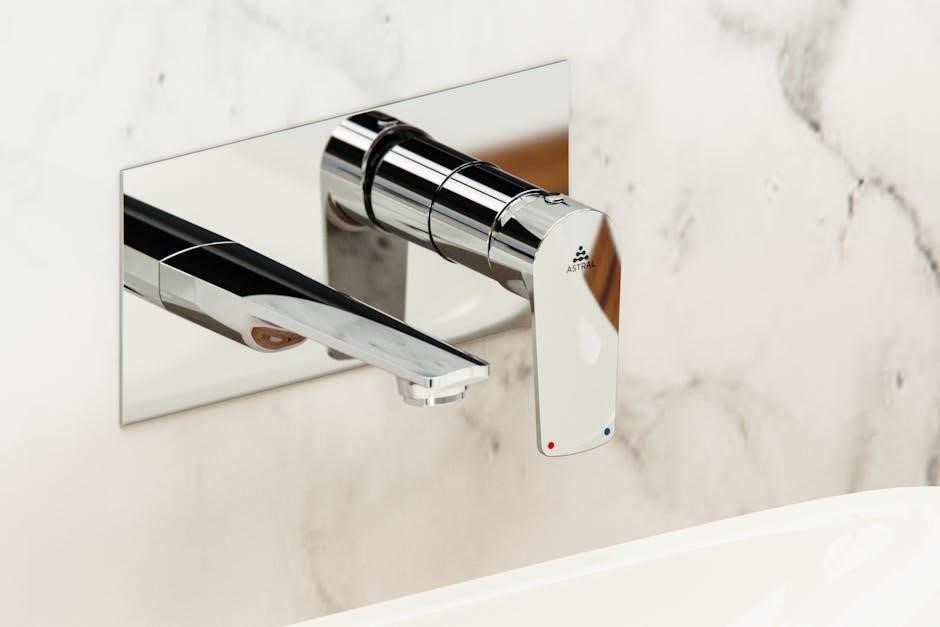
The Moen Genta WS84760SRN bathroom faucet is a single-handle model designed for single-hole installation, offering a clean and modern look․ A standout feature is its 1;2 GPM (gallons per minute) flow rate, balancing water conservation with adequate pressure for everyday use․ The faucet boasts a durable metal shell construction, ensuring longevity and resistance to wear and tear․

Its Spot Resist Brushed Nickel finish is a key selling point, resisting fingerprints and water spots to maintain a pristine appearance․ The single-lever handle provides intuitive control over water temperature and volume․ Moen prioritizes user convenience, offering detailed installation guides (INS10365A & INS10554) and readily accessible customer support via phone (1-800-BUY-MOEN) and their website (www․moen․com)․

This model, identified by SKU VORG7460876 and MPN WS84760SRN, is a practical and stylish addition to any bathroom․

Spot Resist Brushed Nickel Finish

The Moen Genta WS84760SRN features a distinctive Spot Resist Brushed Nickel finish, engineered to minimize water spots and fingerprints․ This specialized coating isn’t simply a plating; it’s a durable layer designed to maintain a clean, pristine appearance with minimal effort․ Unlike traditional chrome finishes, the brushed nickel provides a warmer, more subtle aesthetic that complements a wide range of bathroom décor styles․

This finish significantly reduces the frequency of cleaning required to keep the faucet looking its best․ While regular cleaning is still recommended, the Spot Resist technology offers a practical advantage for busy households․ The finish is applied to a robust metal shell, ensuring both durability and a lasting, attractive appearance․

Moen’s commitment to quality extends to this finish, providing a long-term solution for a beautiful bathroom fixture․

Installation Process

Installing the Moen Genta WS84760SRN bathroom faucet is a manageable DIY project for those with basic plumbing skills․ However, carefully following the provided installation guides – INS10365A and INS10554 – is crucial for a successful outcome․ Moen strongly recommends contacting them directly for assistance, missing parts, or clarification before beginning․ Their customer support is available at 1-800-BUY-MOEN (USA) or via their website, www․moen․com․

The process involves removing the old faucet, preparing the sink surface, and carefully connecting the new faucet according to the step-by-step instructions․ Proper sealing of connections is vital to prevent leaks․ Ensure the water supply is shut off before disconnecting any existing plumbing․

Detailed diagrams within the guides illustrate each stage, making the installation process clear and concise․

Tools Required for Installation

Before commencing the installation of your Moen Genta WS84760SRN faucet, gathering the necessary tools is essential for a smooth and efficient process․ While the specific requirements may vary slightly depending on your existing plumbing, a standard toolkit will generally suffice․

You will need an adjustable wrench for tightening connections, a basin wrench to access hard-to-reach nuts under the sink, and a Phillips head screwdriver․ A flathead screwdriver may also be useful․ Plumber’s putty is crucial for sealing around the faucet base, and Teflon tape is recommended for threaded connections to prevent leaks․

Additionally, a bucket and towels are necessary to catch any residual water, and a flashlight will aid visibility in dimly lit areas under the sink․ Safety glasses are always recommended to protect your eyes․
Step-by-Step Installation Instructions

Begin by shutting off the water supply to your existing faucet․ Disconnect the old faucet’s water supply lines and remove the old faucet from the sink․ Clean the sink surface thoroughly before applying a bead of plumber’s putty around the base where the new Moen Genta WS84760SRN will sit․

Carefully insert the faucet into the sink opening, ensuring it’s properly aligned․ From underneath the sink, secure the faucet with the mounting hardware provided, tightening it firmly but not excessively․ Connect the water supply lines to the faucet’s tailpieces, using Teflon tape on the threads for a watertight seal․

Finally, turn the water supply back on slowly and check for any leaks․ If leaks are present, tighten the connections further․ Test the faucet’s operation, ensuring both hot and cold water flow correctly․

Connecting Water Supply Lines

Before connecting, ensure the water supply is completely shut off․ Identify the hot and cold water supply lines – typically, red indicates hot and blue indicates cold․ Apply Teflon tape clockwise around the threads of the faucet’s tailpieces to create a watertight seal․ Carefully attach the water supply lines to the tailpieces, hand-tightening initially․

Use adjustable wrenches to gently tighten the connections further, avoiding over-tightening which could damage the faucet or supply lines․ Double-check that the connections are secure and properly aligned․ Slowly turn the water supply back on, monitoring closely for any leaks at the connection points․

If leaks occur, immediately shut off the water and re-tighten the connections․ A drip can indicate a loose connection or damaged supply line; inspect carefully․

Understanding the 1․2 GPM Flow Rate

The Moen Genta WS84760SRN faucet features a 1․2 gallons per minute (GPM) flow rate․ This is a water-efficient design, adhering to modern standards for water conservation without sacrificing adequate water pressure for everyday tasks like handwashing and teeth brushing․ Lower GPM rates reduce water consumption, leading to lower utility bills and a smaller environmental footprint․

While 1․2 GPM is considered efficient, some users accustomed to higher flow rates might perceive a slight difference․ However, Moen’s engineering ensures a satisfying and functional water stream․ The aerator integrated into the faucet mixes air with the water, creating a fuller, more pressurized feel despite the reduced volume․

This flow rate balances performance and responsibility, offering a sustainable solution for your bathroom․

Single-Handle Operation Explained

The Moen Genta WS84760SRN faucet utilizes a straightforward single-handle design for effortless control of both water temperature and flow․ Moving the handle up and down adjusts the water volume, while shifting it left and right controls the temperature․ This intuitive operation allows for quick and precise adjustments with just one hand․

The handle’s smooth range of motion is a key feature, providing a comfortable and responsive user experience․ The design minimizes the effort needed to find your desired water temperature and pressure․ This is particularly convenient when hands are full or when quick adjustments are needed․

Moen prioritizes user-friendly functionality, and the single-handle operation of the Genta faucet exemplifies this commitment․

Faucet Dimensions and Specifications

The Moen Genta WS84760SRN bathroom faucet is designed for single-hole configurations․ While precise dimensions can vary slightly, the overall height typically ranges around 8․19 inches, providing ample clearance for comfortable handwashing․ The spout reach, measuring from the faucet base to the water stream, is approximately 5․12 inches․

The faucet boasts a 1․2 gallons per minute (GPM) flow rate, balancing water conservation with sufficient pressure․ Constructed with a durable metal shell, the Genta ensures long-lasting reliability․ The connection size is a standard ½-inch IPS, facilitating easy integration with existing plumbing․

The Spot Resist Brushed Nickel finish not only enhances aesthetics but also resists fingerprints and water spots, maintaining a pristine appearance․ Detailed specifications are available in installation guides INS10365A & INS10554․

Maintenance and Cleaning

To preserve the beauty and functionality of your Moen Genta WS84760SRN faucet, regular maintenance is key․ Daily wiping with a soft, damp cloth removes water spots and debris․ Avoid abrasive cleaners, as they can damage the Spot Resist Brushed Nickel finish․ For tougher stains, use a mild soap solution and rinse thoroughly․

Recommended Cleaning Products: Moen recommends their own cleaning products designed specifically for their finishes, ensuring no harm comes to the faucet’s protective layers․ Periodically check the aerator for sediment buildup and clean as needed․

Preventative Maintenance Tips: Inspect supply lines for leaks and tighten connections if necessary․ Avoiding Common Issues: Promptly address any drips or unusual noises to prevent more significant problems․ Refer to installation guides INS10365A & INS10554 for detailed care instructions․

Recommended Cleaning Products

Maintaining the pristine look of your Moen Genta WS84760SRN faucet requires the right cleaning agents․ Moen specifically formulates cleaning products designed to protect and enhance their finishes, including the Spot Resist Brushed Nickel․ These are the safest and most effective options for regular cleaning․

Avoid harsh chemicals like bleach, ammonia, or abrasive cleaners, as these can strip the finish and cause permanent damage․ Mild dish soap diluted in warm water is suitable for daily cleaning to remove water spots and grime․ For tougher buildup, consider a dedicated stainless steel cleaner, always testing in an inconspicuous area first․

Microfiber cloths are ideal for cleaning, as they won’t scratch the surface․ Rinse thoroughly after cleaning and dry with a clean, soft towel to prevent watermarks․ Refer to guides INS10365A & INS10554 for further details on product compatibility․

Preventative Maintenance Tips

Proactive care significantly extends the life of your Moen Genta WS84760SRN faucet․ Regularly inspect the faucet for leaks around the base, handle, and supply lines․ Tighten connections as needed, but avoid over-tightening․ Periodically check the aerator for sediment buildup; unscrew and rinse it under running water to maintain optimal flow․

Wipe down the faucet after each use to prevent water spots and mineral deposits, especially if you have hard water․ Avoid placing heavy objects on the faucet handle, as this can damage internal components․ Following the cleaning recommendations – avoiding abrasive cleaners – is crucial for preserving the Spot Resist Brushed Nickel finish․

Consult installation guides INS10365A & INS10554 for diagrams and reminders․ Consistent, gentle maintenance prevents larger issues and ensures years of reliable performance․

Avoiding Common Issues

Many problems with the Moen Genta WS84760SRN faucet are preventable with mindful use․ Avoid applying excessive force to the handle, which can strain internal mechanisms․ Be cautious about what goes down the drain; hair, soap scum, and debris can clog the aerator and reduce water pressure․ Regularly flushing the supply lines can also prevent buildup․

Hard water can lead to mineral deposits, so consider a water softener if you live in an area with hard water․ Always use recommended cleaning products – abrasive cleaners will damage the Spot Resist Brushed Nickel finish․ Refer to installation guides INS10365A & INS10554 for proper installation, as incorrect installation is a frequent cause of leaks․

Promptly address any drips or leaks to prevent further damage and potential water waste․ Consistent attention to these details will ensure long-lasting, trouble-free operation․

Troubleshooting Common Problems

If you encounter issues with your Moen Genta WS84760SRN faucet, start with simple checks․ Low water pressure often stems from a clogged aerator – unscrew and clean it thoroughly․ Check supply lines for kinks or obstructions․ For leaking faucets, inspect connections for tightness; a worn-out O-ring might require replacement․

Handle operation difficulties could indicate sediment buildup within the cartridge; Try removing and cleaning the cartridge, or consider replacing it․ Always shut off the water supply before disassembling any faucet components․ Refer to the installation guides (INS10365A & INS10554) for diagrams and detailed instructions․

If problems persist, don’t hesitate to contact Moen customer support at 1-800-BUY-MOEN for assistance․ Attempting complex repairs without proper knowledge can worsen the issue․

Low Water Pressure Issues

Addressing low water pressure with your Moen Genta WS84760SRN begins with the simplest solutions․ The most frequent cause is a clogged aerator․ Unscrew the aerator at the faucet’s tip and thoroughly rinse it to remove any sediment or debris․ Inspect the water supply lines for any kinks or bends that might restrict flow․

Ensure the shut-off valves under the sink are fully open․ If the issue persists, check for mineral buildup within the faucet cartridge; cleaning or replacing the cartridge may be necessary․ Refer to installation guides INS10365A & INS10554 for detailed disassembly instructions․

Low pressure affecting all faucets suggests a broader plumbing issue, requiring professional attention․ Contact a plumber to assess your home’s water supply․

Leaking Faucet Troubleshooting

A leaking Moen Genta WS84760SRN faucet often stems from a worn-out cartridge, O-rings, or seals․ Begin by shutting off the water supply․ Disassemble the faucet, carefully noting the order of parts – referencing installation guides INS10365A or INS10554 is highly recommended․ Inspect the cartridge for cracks or damage; replacement is usually the best course of action․

Examine the O-rings and seals for wear and tear, replacing them if necessary․ Ensure all connections are tightened securely, but avoid over-tightening, which can cause further damage․ A leak from the base of the faucet might indicate a loose mounting nut․

If the leak persists after these steps, contact Moen customer support at 1-800-BUY-MOEN for assistance or to order replacement parts․

Handle Operation Difficulties

If you experience stiffness or difficulty moving the single handle on your Moen Genta WS84760SRN faucet, the cartridge is the most likely culprit․ Mineral buildup can restrict its movement, or the cartridge itself may be failing․ Begin by attempting to gently work the handle back and forth to loosen any potential obstructions․

If this doesn’t resolve the issue, shut off the water supply and disassemble the faucet, again consulting installation guides INS10365A or INS10554 for guidance․ Inspect the cartridge for corrosion or damage․ Lubricating the cartridge with a plumber’s grease (silicone-based) during reassembly can improve operation․

If the handle remains difficult to move, replacement of the cartridge is recommended․ For further assistance, contact Moen customer support at 1-800-BUY-MOEN․

Warranty Information

Moen extends a limited lifetime warranty on the WS84760SRN Genta faucet to the original purchaser․ This warranty covers defects in materials and workmanship under normal use․ The “lifetime” coverage refers to the duration of the original purchaser’s ownership or occupancy of the property where the faucet is installed․

This warranty does not cover damage resulting from improper installation, misuse, abuse, accidents, cleaning with abrasive products, or normal wear and tear․ For warranty claims, proof of purchase is required․ Moen reserves the right to repair or replace the defective product, at their discretion․

To initiate a warranty claim, contact Moen customer support at 1-800-BUY-MOEN․ Detailed warranty information can also be found on the official Moen website, www․moen․com․

Contacting Moen Customer Support

For immediate assistance with your Moen Genta WS84760SRN faucet, Moen offers several convenient contact options․ You can reach their dedicated customer support team by phone at 1-800-BUY-MOEN (1-800-289-6636)․ Their representatives are available Monday through Friday, from 8:00 AM to 7:00 PM Eastern Time, and on Saturdays from 9:00 AM to 3:00 PM Eastern Time․

Alternatively, Moen provides extensive support through their official website, www․moen․com․ The website features a comprehensive FAQ section, downloadable manuals (including INS10365A & INS10554), and a contact form for submitting inquiries․ Live chat support may also be available during business hours․

When contacting support, have your faucet’s model number (WS84760SRN) and date of purchase readily available to expedite the process․

Finding Replacement Parts

Maintaining your Moen Genta WS84760SRN faucet is simplified by Moen’s readily available replacement parts․ The most efficient way to locate specific components is through the official Moen website, www․moen․com․ Their online parts catalog allows you to search by model number (WS84760SRN) or browse through detailed diagrams of the faucet assembly․

Alternatively, many hardware retailers and plumbing supply stores carry a selection of Moen replacement parts․ When purchasing from a retailer, it’s helpful to have the original part number, if possible, or a clear description of the component you need․

Ensure the replacement part is specifically designed for the Genta series to guarantee compatibility and proper function․ Moen prioritizes making repairs accessible, extending the life of your faucet․

Installation Guide Reference (INS10365A & INS10554)

Moen provides comprehensive installation guides specifically for the Genta series, including the WS84760SRN model․ Two key documents are referenced: INS10365A and INS10554․ These guides offer detailed, step-by-step instructions, accompanied by illustrative diagrams, to ensure a smooth and accurate installation process․

Both guides are available for download directly from the Moen website (www․moen․com) in a PDF format․ They cover everything from preparing the sink to connecting the water supply lines and final testing․ Note that different finishes or slight variations within the Genta series might utilize one guide over the other․

Always consult the appropriate guide for your specific faucet configuration․ Moen strongly encourages referencing these guides before beginning installation and provides customer support contact information within․

Compatibility with Different Sink Types

The Moen Genta WS84760SRN faucet is designed as a single-hole installation, making it broadly compatible with a variety of bathroom sink configurations․ However, certain sink types may require additional components or considerations for a secure and leak-proof fit․

It’s generally suitable for standard countertop sinks with a single pre-drilled faucet hole․ For sinks with multiple holes, a deck plate (escutcheon) might be necessary to cover unused openings, ensuring a clean aesthetic and preventing water damage․ Compatibility also extends to vessel sinks, provided the faucet’s height and reach are appropriate․

Always verify the sink’s hole size and depth before purchasing․ Moen’s installation guides (INS10365A & INS10554) offer guidance on adapting the faucet to different sink setups․

Moen Genta Faucet Variations

The Moen Genta series offers several variations beyond the WS84760SRN model, catering to diverse aesthetic preferences and bathroom designs․ While sharing the signature curved edges and contemporary style, these faucets differ primarily in finish and included accessories․

A prominent alternative is the Genta faucet available in Matte Black, offering a bold and modern look․ Some configurations include an integrated towel ring, providing added convenience․ The core functionality – single-handle operation and a 1․2 GPM flow rate – remains consistent across most Genta models․

It’s crucial to reference the specific model number when ordering replacement parts or consulting installation guides (INS10365A & INS10554) to ensure compatibility․ Moen’s website details all available Genta variations and their respective specifications․

Online Resources and Support (Moen Website)

Moen’s official website, www․moen․com, serves as a comprehensive hub for all Genta faucet support needs․ Users can readily access digital copies of installation guides, including INS10365A and INS10554, offering step-by-step instructions and visual aids․ The site also features detailed product specifications for the WS84760SRN and other Genta variations․

A robust FAQ section addresses common questions regarding installation, maintenance, and troubleshooting․ Furthermore, Moen provides access to a library of helpful videos demonstrating proper installation techniques and preventative maintenance procedures․

For personalized assistance, Moen offers direct customer support via phone (1-800-BUY-MOEN) during business hours (Mon-Fri 8 AM ⸺ 7 PM ET, Sat 9 AM ౼ 3 PM ET)․ The website’s contact form allows for submitting inquiries and receiving prompt responses from Moen’s support team․

Safety Precautions During Installation

Prior to commencing installation of your Moen Genta WS84760SRN faucet, always shut off the water supply to prevent potential flooding and water damage․ Wear appropriate safety glasses to protect your eyes from debris during the process․ Ensure the work area is well-lit and free from obstructions․

Exercise caution when handling tools, following manufacturer’s instructions for safe operation․ Avoid over-tightening connections, as this can damage the faucet or plumbing․ If you are unfamiliar with plumbing procedures, it is strongly recommended to consult a qualified professional․

Be mindful of hot surfaces if working near existing hot water lines․ Properly dispose of all packaging materials and leftover components after installation․ Review the complete installation guide (INS10365A & INS10554) for detailed safety guidelines․


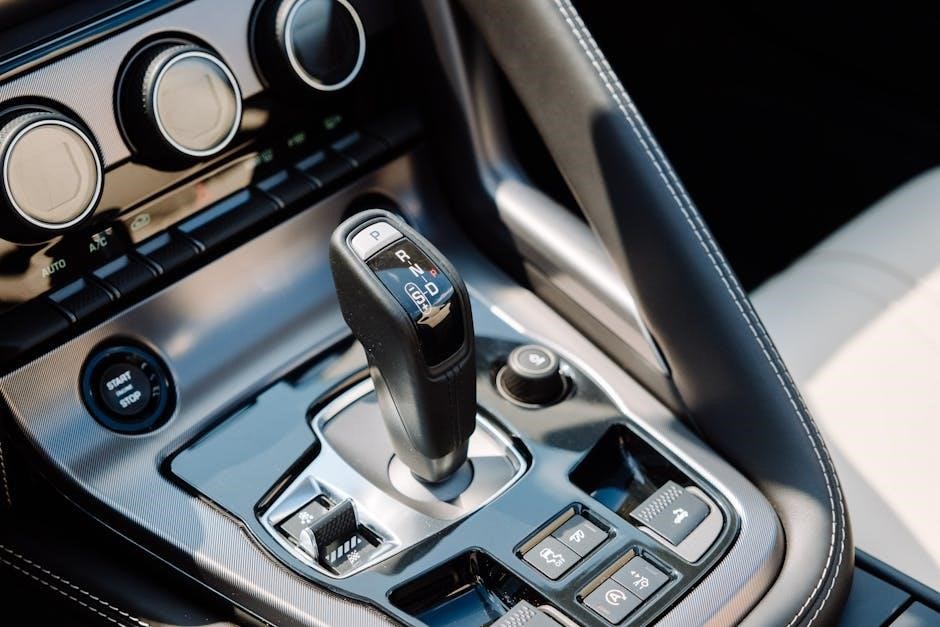
column manual shifter

Column manual shifters, offering full control, simplified braking, were prevalent before automatics improved significantly in the late 90s and 2000s.

Historical Context of Column Shifters

Early automotive designs frequently employed column shifters, particularly the “three-on-the-tree” configuration, gaining prominence in the 1930s and continuing through the 1960s. This layout offered a space-saving solution within the vehicle cabin, predating the widespread adoption of floor-mounted shifters.

Initially, column shifters were favored for their simplicity and cost-effectiveness. However, as automatic transmissions gained traction, the demand for manual transmissions—and consequently, column shifters—began to decline. The late 1990s and early 2000s witnessed a turning point; automatics started achieving comparable, and even superior, performance metrics, like 0-60 times, to manual counterparts.

Despite this shift, column shifters maintained a presence in certain American-made vehicles until the early 2000s, representing a nostalgic link to a bygone era of automotive engineering.

Advantages of Column Shifters

Column shifters historically provided distinct advantages, notably offering drivers full control over the vehicle’s operation. This direct mechanical connection translated to a more engaging driving experience, particularly valued before the refinement of automatic transmissions. A key benefit was simplified braking, as the absence of a torque converter in manual systems allowed for more immediate response.

Furthermore, the design freed up floor space, a consideration in earlier vehicle interiors. While requiring more driver focus—necessitating attention to both feel and the shifter pattern—some drivers appreciated the distinct haptic feedback, resembling polystable gear shifters.

The stopping sensation during shifts could aid accuracy, a feature valued by those accustomed to the system.

Disadvantages of Column Shifters

Column shifters, despite their historical appeal, presented several drawbacks. The design demanded significant driver attention, increasing the risk of inadvertently sliding past the intended gear. This was particularly true with simpler “mono I/J” patterns, requiring constant mental mapping of the shifter’s layout.

Reliance on tactile feedback was crucial, as drivers needed to feel the engagement of each gear, adding a layer of complexity. Compared to modern shifters, the haptic cues could be less definitive, potentially leading to shifting errors.

The increased cognitive load could detract from overall driver focus, and the system’s inherent complexity wasn’t universally intuitive, especially for new drivers.

Mechanical Components of a Column Manual Shifter

Column shifters utilize a shift linkage system integrated into the steering column, incorporating a crucial neutral safety switch for operational functionality and driver protection.

Shift Linkage System

The shift linkage system is the core mechanical connection between the column-mounted shifter and the transmission itself. This system translates the driver’s lever movements into gear selections within the gearbox. Early systems often employed simple rods and levers, sometimes susceptible to wear and requiring periodic adjustment to maintain precise shifting.

These linkages needed to be robust enough to withstand the forces applied during gear changes, yet flexible enough to accommodate the vehicle’s chassis flex. Proper adjustment is critical; loose linkages can result in imprecise shifts or even difficulty selecting a gear. Conversely, overly tight linkages can strain the system and lead to premature failure. The design aimed for a direct and positive feel, though often lacking the precision of floor-mounted setups.

Steering Column Integration

Integrating the shifter directly into the steering column presented unique engineering challenges. Designers had to ensure the shifting mechanism didn’t interfere with steering functionality or driver comfort. This often involved careful packaging of components within the column itself, alongside wiring for signals and potentially the horn.

The column needed to be reinforced to handle the stresses imposed by shifting, particularly in older vehicles. Universal joints and bearings were crucial for smooth operation and to prevent binding. The placement of the shifter lever also impacted ergonomics; finding a natural and accessible position was key. This integration, while space-saving, sometimes compromised the direct feel and precision compared to floor-mounted shifters.

Neutral Safety Switch Functionality

Neutral safety switches are critical components in column shifter systems, preventing the engine from starting unless the transmission is in Park or Neutral. This safety feature mitigates accidental vehicle movement during startup, a vital consideration for driver and bystander safety. The switch is mechanically linked to the shifter linkage, ensuring accurate detection of the transmission’s position.

These switches often incorporate multiple contacts for redundancy and may also control other functions, like the transmission lock-out. Failure of the neutral safety switch can prevent starting, or, more dangerously, allow starting in gear. Regular inspection and testing of this switch are essential maintenance procedures for vehicles equipped with column shifters, ensuring continued safe operation.

Types of Column Shifters

Column shifters evolved from three-on-the-tree to four-speed configurations, with modern variations emerging, adapting to changing automotive technology and driver preferences.

Three-on-the-Tree Shifters

Three-on-the-tree shifters represent the earliest widespread form of column-mounted manual transmissions. This system, common from the 1930s through the 1960s, featured a single column stalk controlling gear selection with a distinct pattern – typically Reverse, First, and Second on the steering column itself, with Third and Fourth gears accessible by pushing the lever further down and moving it laterally.

Drivers needed to memorize the ‘H’ pattern and rely heavily on tactile feedback, as visual cues were minimal. The risk of mis-shifting was higher, requiring focused attention on feeling the gear engagement. While offering a unique driving experience, these shifters demanded more driver involvement compared to later designs or floor-mounted alternatives. The stopping sensation resembled polystable gear shifters, providing a tactile advantage.

Four-Speed Column Shifters

Four-speed column shifters emerged as an evolution of the three-on-the-tree design, offering an additional gear for improved highway cruising and overall efficiency. These systems retained the column-mounted stalk but incorporated a more complex shift pattern to accommodate the fourth gear. While still relying on tactile feedback and driver memorization of the ‘H’ pattern, the added gear provided a wider range of ratios.

Like their three-speed predecessors, four-speed column shifters demanded driver focus to avoid mis-shifts, particularly when transitioning between gears. The stopping sensation was crucial for confirming engagement. These shifters were prevalent through the 1970s, representing a peak in column-shift manual transmission technology before floor shifters gained dominance, offering full control.

Modern Column Shifter Variations

Modern column shifter variations are exceedingly rare, largely confined to specialized applications or retro-styled vehicles. While true manual column shifters have largely disappeared, some vehicles employ column-mounted levers for electronically controlled automatic transmissions with manual mode. These systems often utilize buttons or a toggle switch for gear selection, rather than a traditional mechanical linkage.

These modern iterations aim to offer a semblance of the classic column-shift feel, but lack the direct mechanical connection and tactile feedback of older designs. The shift experience relies heavily on visual cues and electronic confirmation. Though offering convenience, they don’t replicate the full control of a traditional manual, and automatics have surpassed them in speed and efficiency.

Usability and Ergonomics

Column shifters demanded driver focus on feel and pattern, with mono T stopping sensations resembling polystable gear shifters, reducing sliding errors.

Comparison of Haptic Feedback in Different Shifter Designs

Haptic feedback varied significantly between shifter designs, notably comparing column shifters to more modern counterparts. The “three-on-the-tree” column shift offered a distinct stopping sensation, particularly with the mono T pattern, which some drivers found resembled the feel of polystable gear shifters.

This tactile feedback aided in preventing accidental overshifting, a common concern with simpler mono I/J designs where it was easier to slide past the intended gear. Modern shifters, including those with manual modes in automatics, often rely on more subtle cues, requiring greater driver awareness. The column shifter’s pronounced stopping point provided a clear indication of gear engagement, potentially reducing shifting errors and enhancing driver confidence, especially in older vehicles.

Impact of Visual Cues on Shifting Accuracy

Visual cues played a crucial role in the accurate operation of column manual shifters, demanding drivers maintain a mental map of the shift pattern. Unlike modern shifters with defined gates, the column shifter required constant visual confirmation of the selected gear. The driver needed to actively remember the shifter’s layout – whether a three-on-the-tree or four-speed configuration – to avoid mis-shifts.

The absence of strong haptic feedback in some designs further emphasized the importance of visual awareness. Drivers had to focus on the shifter’s position relative to the steering column, increasing cognitive load. This reliance on visual memory contrasted with more intuitive shifter designs, highlighting the unique challenges presented by column-mounted manual transmissions.

Driver Focus and Shifting Errors

Column shifters demanded a higher degree of driver concentration due to the less intuitive shifting experience. The risk of “sliding past” the intended gear, particularly with simpler I/J patterns, increased the potential for errors. Drivers needed to simultaneously manage steering, braking, and gear selection, placing a significant cognitive burden on the operator.

The lack of robust haptic feedback meant drivers relied heavily on feel and memory, making mis-shifts more common. Maintaining awareness of the shifter pattern was paramount, and distractions could easily lead to incorrect gear engagement. This contrasts with modern transmissions, where clearer feedback minimizes such errors, emphasizing the need for heightened focus when operating a column manual shifter.

Performance Considerations

Older cars with manuals were faster, but automatics improved significantly in the late 90s-2000s, eventually surpassing manuals in speed and efficiency.

Manual vs. Automatic with Manual Mode: Speed and Efficiency

Historically, a manual gearbox, like those paired with column shifters, offered superior speed and efficiency compared to automatics. However, this dynamic shifted considerably towards the late 1990s and into the 2000s. Advancements in automatic transmission technology began to close, and then surpass, the performance gap.

Initially, the advantage of a manual lay in its direct mechanical connection, minimizing power loss. Yet, modern automatics, particularly those with manual modes (paddle shifters or selectable gear ranges), implemented sophisticated control systems and faster shift times. These improvements allowed automatics to achieve comparable, and often better, acceleration figures – specifically in 0-60 mph times – than their manual counterparts.

The subjective experience also plays a role; the engagement of a clutch and precise shifting in a manual provides a different driving feel, but doesn’t necessarily translate to quantifiable speed advantages in contemporary vehicles.

Evolution of Automatic Transmission Performance (Late 90s ⎼ 2000s)

The period between the late 1990s and the 2000s witnessed a remarkable evolution in automatic transmission technology, directly impacting the relevance of column manual shifters. Early automatics suffered from inefficiencies and slower shift speeds, placing them at a disadvantage against manual transmissions.

However, manufacturers began incorporating features like more sophisticated electronic control units (ECUs), improved torque converters, and increased gear ratios. These advancements allowed automatics to optimize shift points for both performance and fuel economy. A handful of automatics started demonstrating 0-60 times competitive with manuals.

Furthermore, the introduction of manual shift modes – initially as gated shifters and later as paddle-shift systems – provided drivers with greater control, mimicking the experience of a manual gearbox. This evolution ultimately contributed to the decline in demand for column-mounted manual shifters.

Impact on 0-60 Times

Historically, vehicles equipped with column manual shifters often boasted quicker 0-60 times compared to their automatic counterparts. This advantage stemmed from the direct mechanical connection between the engine and wheels, minimizing power loss during gear changes. However, this dynamic shifted dramatically in the late 1990s and early 2000s.

As automatic transmission technology advanced, incorporating features like optimized shift programming and improved torque converters, automatics began to close – and in some instances, surpass – the 0-60 times of manual vehicles. While initially a limited number of automatics achieved this, the trend accelerated.

This improvement in automatic performance diminished a key selling point of manual transmissions, including those utilizing column shifters, contributing to their eventual decline in popularity and production. The gap continued to widen as automatics became more refined.

Shift Knob Design and Materials

Shift knob shapes are determined by design and ergonomics, then reviewed by regulatory groups, ensuring production vehicles meet specific engineering and safety standards.

Plain Ball Shifter Preference

Many drivers express a strong preference for the simplicity of a plain ball shifter, particularly those with decades of manual transmission experience. This preference isn’t merely nostalgic; it stems from a direct connection and tactile feedback. A smooth, round ball allows for intuitive hand placement and a clear sense of gear selection without unnecessary ornamentation.

The design prioritizes function over form, offering a consistent feel regardless of hand size or grip style. Experienced drivers often find that complex knob shapes introduce unwanted variables, potentially hindering quick and precise shifts. Furthermore, the plain ball shifter’s design is often favored due to its inherent simplicity and ease of manufacturing, contributing to its enduring appeal across generations of manual transmission enthusiasts.

Ergonomic Considerations in Shift Knob Design

Ergonomic considerations are paramount in shift knob design, involving input from dedicated ergonomics groups within automotive design offices. These teams assess how the knob’s shape and surface finish interact with the driver’s hand during gear changes. The goal is to minimize strain and maximize comfort, promoting efficient and accurate shifting.

Factors like knob weight, diameter, and texture are carefully evaluated to ensure a secure and natural grip. The design process isn’t solely driven by aesthetics; it’s a collaborative effort between designers, engineers, and regulatory bodies. Finalized shapes undergo review to ensure they meet safety standards and don’t introduce unintended hazards, balancing driver experience with regulatory compliance.

Regulatory Review of Shift Knob Shapes

Shift knob shapes undergo rigorous regulatory review post-design finalization by the design office. This process isn’t merely cosmetic; it’s a critical safety assessment. Automotive regulatory groups scrutinize designs to prevent potential hazards arising from sharp edges, excessive weight, or configurations that could impede driver control.

The review ensures knobs won’t cause injury during operation or in the event of a collision. Engineering teams translate the approved design into a manufacturable product, adhering to strict tolerances and material specifications. This multi-layered approach—design, ergonomics input, and regulatory approval—guarantees that shift knobs meet both performance and safety standards, protecting drivers and passengers alike.

Maintenance and Repair

Column shifters can experience common issues, often requiring shift linkage adjustments or complete shifter replacement to restore smooth, accurate gear selection and operation.

Common Issues with Column Shifters

Column manual shifters, while offering a unique driving experience, are prone to specific mechanical problems over time. A frequent issue involves wear and looseness within the shift linkage system, leading to imprecise shifting and difficulty selecting the desired gear. This can manifest as sloppy movements or a feeling of vagueness when attempting to change gears.

Another common concern is the deterioration of the neutral safety switch, which prevents the engine from starting unless the shifter is firmly in Park or Neutral. A faulty switch can cause starting problems or allow the vehicle to start in gear, posing a safety hazard. Internal wear within the shifter mechanism itself, including detents and springs, can also contribute to shifting difficulties. Finally, corrosion and grime accumulation can impede smooth operation, requiring cleaning and lubrication.

Adjusting Shift Linkage

Adjusting the shift linkage on a column manual shifter is crucial for restoring precise gear selection. The process typically involves locating the linkage connections, usually under the vehicle near the transmission. Begin by disconnecting the linkage at either the transmission or the shifter column, depending on the vehicle’s design.

Carefully inspect all joints and bushings for wear or damage, replacing them if necessary. Reconnect the linkage, ensuring proper alignment. Fine-tuning often requires adjusting the linkage rods using threaded sections or adjustment screws. The goal is to achieve accurate engagement in each gear, eliminating any binding or looseness. A test drive after each adjustment is essential to verify correct operation and ensure smooth, reliable shifting performance.

Replacing a Column Shifter

Replacing a column shifter involves several steps, demanding careful attention to detail. Begin by disconnecting the battery to prevent electrical issues. Remove any trim panels surrounding the steering column to access the shifter mechanism. Disconnect the shift linkage from the shifter, noting its configuration for reassembly.

Unbolt the shifter assembly from the steering column, carefully maneuvering it out of position. Install the new shifter, ensuring proper alignment with the steering column and shift linkage. Reconnect the linkage, verifying smooth operation through all gear positions. Reattach the trim panels and reconnect the battery. A final test drive confirms correct functionality and eliminates any binding or imprecise shifting.

The Last Column Shift Manual Cars

Final American-made column shift manual vehicles are now highly collectible, discontinued due to the rise of automatic transmissions and evolving driver preferences.

Identifying the Final American-Made Column Shift Manual Vehicles

Pinpointing the absolute last American-made vehicle offered with a column-shift manual transmission proves surprisingly complex, shrouded in production variations and limited records. However, the 1965 Chevrolet Corvair and 1965 Ford Falcon frequently appear as strong contenders for this distinction. These models represent the twilight of this configuration, as manufacturers rapidly transitioned towards floor-mounted shifters and, ultimately, automatic transmissions.

The 1964 and 1965 Buick Skylark also offered a column shift manual, but production numbers dwindled quickly. Determining the very last one requires tracing individual vehicle identification numbers (VINs), a task complicated by incomplete data. These final examples are now prized by collectors, representing a unique and rapidly disappearing piece of automotive history, embodying a simpler era of driving engagement.

Reasons for Discontinuation

Several converging factors led to the decline and eventual discontinuation of column-shift manual transmissions. The rising popularity of automatic transmissions, offering increased convenience, played a significant role. Simultaneously, automatic transmission performance dramatically improved in the late 1990s and 2000s, even surpassing some manuals in acceleration and efficiency.

Furthermore, concerns regarding driver focus and shifting errors, particularly the risk of inadvertently selecting the wrong gear, contributed to their demise. Ergonomic considerations also favored floor-mounted shifters, offering more intuitive haptic feedback. Regulatory pressures and evolving consumer preferences ultimately sealed the fate of the column shifter, prioritizing ease of use and performance over the traditional driving experience.

Legacy and Collectibility

Despite their disappearance from new vehicles, column-shift manual transmissions hold a unique place in automotive history, evoking nostalgia for a simpler era of driving. The final American-made column shift manual vehicles are now highly sought after by collectors and enthusiasts. Their rarity and distinct driving experience contribute to their increasing value.

These vehicles represent a tangible link to a time when drivers were more directly engaged with the mechanics of their cars. The legacy extends beyond mere collectibility; they symbolize a specific automotive design philosophy. Today, owning a column-shift manual car is often seen as a statement, celebrating a bygone era and a more connected driving experience, ensuring their continued appreciation.

orbit 57894 manual

Orbit 57894 Sprinkler Timer: A Comprehensive Manual Guide

This guide details the Orbit 57894 timer‚ offering easy-set logic for flexible watering programs‚ covering installation‚ programming‚ and maintenance procedures effectively.

Welcome to the Orbit 57894 Sprinkler Timer – a user-friendly solution for automated lawn and garden watering! This timer‚ brought to you by Orbit Irrigation Products‚ Inc.‚ simplifies maintaining a healthy landscape while conserving water. Designed with “easy-set logic‚” the 57894 model allows for the creation of customized watering schedules tailored to your specific needs.

Whether you’re a seasoned gardener or new to irrigation‚ this timer offers flexibility and convenience. This manual will guide you through every step‚ from initial setup and programming to advanced features and troubleshooting. It’s a powerful tool for efficient water management‚ ensuring your plants thrive without constant manual intervention. Prepare to experience effortless lawn care with the Orbit 57894!

What’s Included in the Box

Upon opening your Orbit 57894 Sprinkler Timer package‚ please verify that all components are present. You should find the Orbit 57894 Timer unit itself‚ designed for straightforward installation and operation. Included is a detailed user manual – this document! – providing step-by-step instructions for setup‚ programming‚ and troubleshooting.

Additionally‚ the box contains mounting screws and hardware necessary to securely attach the timer to a wall or hose bib. While batteries are not included‚ the timer requires AA batteries for operation. Ensure you have a fresh set readily available. Inspect all parts for any damage during shipping; contact Orbit customer support if anything is missing or defective before proceeding with installation.

Timer Overview: Parts and Functions

The Orbit 57894 timer features a user-friendly interface designed for intuitive operation. The large LCD screen clearly displays the current time‚ date‚ and programmed watering schedules. Navigation is managed through several buttons: ‘Set’ for accessing programming modes‚ ‘Menu’ for cycling through options‚ and directional arrows for adjusting values.

The timer body houses the internal electronics and battery compartment. Multiple zone outputs allow control of several valves independently. A manual override button enables immediate watering‚ bypassing programmed schedules. The timer’s housing is designed for weather resistance‚ protecting internal components. Understanding these parts and their functions is crucial for effective programming and maintenance of your sprinkler system.

Setting Up Your Orbit 57894 Timer

Proper setup involves selecting a suitable location‚ securely mounting the timer‚ and correctly connecting valves and the water supply for optimal performance.

Selecting a Mounting Location

Choosing the right location is crucial for your Orbit 57894 timer’s longevity and ease of use. Ideally‚ select a spot close to a power outlet if you’re using the optional AC adapter‚ ensuring the cord reaches comfortably. The location should also be within range of your sprinkler valves.

Protect the timer from direct sunlight and extreme weather conditions; a shaded area is preferable. Avoid locations prone to flooding or standing water. Ensure the mounting surface is stable and can support the timer’s weight‚ especially when hoses are connected. Consider accessibility for programming and manual adjustments – you’ll want to easily reach the controls. A flat‚ vertical surface‚ like a wall or fence post‚ works best for secure mounting.

Mounting the Timer to a Wall or Hose Bib

Securely mounting your Orbit 57894 timer prevents damage and ensures reliable operation. For wall mounting‚ use the provided screws to attach the mounting bracket to a solid surface. Ensure the screws are appropriate for the wall material (wood‚ brick‚ etc.).

Alternatively‚ you can mount the timer directly to a hose bib; Hand-tighten the timer onto the bib‚ avoiding excessive force that could damage the threads. A slight application of Teflon tape to the bib threads can help create a watertight seal. Verify the timer is firmly attached and doesn’t wobble. Regularly inspect the mounting to ensure it remains secure‚ especially after exposure to weather elements.

Connecting the Valve(s) to the Timer

The Orbit 57894 timer utilizes standard hose-thread connections for easy valve integration. Each zone on the timer corresponds to a specific valve controlling a section of your irrigation system. Carefully connect the valve(s) to the timer’s designated zone outlets‚ ensuring a snug‚ hand-tight fit.

Using Teflon tape on the valve threads is recommended to prevent leaks. If you’re using multiple valves‚ clearly label each one to correspond with its programmed zone. Double-check all connections before turning on the water supply. Incorrect valve connections will result in water flowing to the wrong zones‚ potentially causing inefficiencies or damage.

Connecting the Water Supply

Before connecting the water supply‚ ensure all valve connections to the Orbit 57894 timer are secure and leak-proof. Attach a garden hose to the timer’s water inlet‚ and then connect the hose to your outdoor faucet or water source. Slowly turn on the water supply‚ monitoring for any leaks at the connections.

If leaks are detected‚ immediately turn off the water and tighten the connections further‚ or reapply Teflon tape if necessary. Avoid over-tightening‚ as this can damage the threads; Once the water is flowing without leaks‚ the timer is ready for programming and operation. Proper water supply connection is crucial for reliable irrigation.

Programming the Orbit 57894 Timer

Effectively utilize the easy-set logic to establish flexible watering programs‚ defining start times‚ durations‚ and zone assignments for optimal irrigation control.

Understanding the Programming Logic

The Orbit 57894 timer employs a straightforward‚ user-friendly programming logic designed for flexible watering schedules. It operates on a program-based system‚ allowing you to create multiple independent watering programs‚ each tailored to specific zones or plant types.

Each program consists of a start time‚ watering duration‚ and the days of the week on which it will run. You can assign individual zones to each program‚ enabling customized irrigation for different areas of your yard. The timer supports multiple start times per program‚ offering further flexibility.

Understanding this structure is key to maximizing the timer’s capabilities. It’s not a complex system‚ but rather a modular approach to irrigation control‚ allowing for precise and efficient water management.

Setting the Current Time and Date

Accurate time and date settings are crucial for the Orbit 57894 timer to function correctly. Begin by pressing the “Set Clock” button. The display will flash‚ prompting you to enter the current hour. Use the “Hour” and “Minute” buttons to adjust the values‚ ensuring AM or PM is correctly selected.

Next‚ set the date using the “Month‚” “Day‚” and “Year” buttons. Cycle through the options until the correct values are displayed. Confirm each setting by pressing the “Set” or “Enter” button.

Double-check the displayed time and date for accuracy. Incorrect settings will lead to inaccurate watering schedules. Proper setup ensures your programs run when intended.

Programming Watering Start Times

To program watering start times on your Orbit 57894 timer‚ first select the desired program (A‚ B‚ or C) using the “Program” button. Press “Set Time” and the display will flash‚ indicating you can input the start time for that program. Utilize the “Hour” and “Minute” buttons to set the desired start hour and minute.

You can program multiple start times per program‚ allowing for flexible watering schedules. After setting the first start time‚ press “Set Time” again to add another. Repeat this process until all desired start times are programmed.

Confirm each start time by pressing “Enter” or “Set”.

Setting Watering Duration

After establishing the watering start times‚ you must define the duration for each watering cycle on your Orbit 57894 timer. Within the selected program‚ press the “Run Time” button. The display will begin to flash‚ signaling you to input the desired watering duration.

Use the “Hour” and “Minute” buttons to precisely set the watering time‚ ranging from one minute to several hours‚ depending on your landscaping needs. Consider factors like plant type and soil conditions when determining the appropriate duration.

Confirm the set duration by pressing “Enter” or “Set”.

Assigning Zones to Watering Programs

The Orbit 57894 timer allows for independent control of multiple watering zones‚ optimizing water usage across your landscape. To assign a zone to a specific program‚ first‚ select the desired program number using the program selection buttons.

Next‚ press the “Zone” button. The display will prompt you to enter the zone number you wish to assign to this program. Utilize the number buttons to input the corresponding zone number.

Confirm your selection by pressing “Enter” or “Set”. Repeat this process for each zone‚ assigning them to the appropriate programs based on their watering requirements.

Advanced Features and Settings

Explore enhanced functionalities like rain delay‚ manual override‚ and seasonal adjust‚ providing customized control and efficient water management for your irrigation system.

Rain Delay Functionality

The Orbit 57894 timer incorporates a convenient Rain Delay feature‚ allowing you to temporarily suspend scheduled watering programs during periods of rainfall. This prevents overwatering and conserves water resources. To activate Rain Delay‚ navigate to the appropriate setting within the timer’s programming menu. You’ll typically be prompted to specify the duration of the delay‚ often ranging from hours to several days.

During the Rain Delay period‚ all programmed watering cycles will be automatically paused. Once the delay expires‚ the timer will resume its normal watering schedule. This feature is particularly useful for responding to unexpected weather events‚ ensuring your landscape receives only the necessary amount of water. Remember to deactivate the Rain Delay manually when conditions return to normal‚ or the timer will continue to postpone watering.

Manual Watering Override

The Orbit 57894 timer provides a Manual Watering Override function‚ granting you immediate control over your irrigation system‚ independent of the programmed schedule. This is incredibly useful for spot-watering specific areas or addressing unforeseen dryness. To initiate a manual cycle‚ access the override option within the timer’s interface. You’ll then select the zone you wish to water and specify the desired duration.

The timer will immediately activate the chosen zone for the set period‚ overriding any existing programmed schedules. Once the manual cycle completes‚ the timer will automatically revert back to its regularly scheduled programming. This feature offers flexibility and responsiveness‚ allowing you to tailor watering to your landscape’s specific needs. Remember to cancel the override if needed‚ preventing unintended prolonged watering.

Seasonal Adjust Feature

The Orbit 57894 timer incorporates a Seasonal Adjust feature‚ allowing you to globally modify your watering schedules to accommodate changing weather patterns throughout the year. As temperatures rise or fall‚ your landscape’s water requirements shift. This feature enables you to increase or decrease watering durations across all zones proportionally‚ without needing to reprogram each zone individually.

Access the Seasonal Adjust setting through the timer’s menu and input a percentage adjustment – positive for increased watering during hotter months‚ and negative for reduced watering during cooler‚ wetter periods. This simplifies water conservation and ensures your landscape receives optimal hydration. Regularly reviewing and adjusting this setting will maximize efficiency and promote healthy plant growth‚ adapting to the natural seasonal changes.

Winterization and Storage

Proper winterization is crucial to protect your Orbit 57894 timer from freezing temperatures and potential damage. Before the first frost‚ disconnect the timer from the water supply and any connected valves. Thoroughly drain all water from the timer housing and valve connections to prevent ice formation‚ which can crack components.

Remove the batteries to prevent corrosion during prolonged storage. Store the timer indoors in a dry‚ frost-free location. Avoid storing it in direct sunlight or extreme temperatures. When spring arrives‚ inspect the timer for any signs of damage before reconnecting it. Following these steps ensures your timer remains functional and ready for the next watering season‚ extending its lifespan considerably.

Troubleshooting Common Issues

This section addresses typical problems like power failures‚ valve malfunctions‚ time display errors‚ and programming mistakes for the Orbit 57894 timer.

Timer Not Powering On

If your Orbit 57894 timer fails to power on‚ begin by verifying the battery installation. Ensure the batteries are fresh and correctly inserted‚ observing the proper polarity (+ and -) as indicated within the battery compartment.

Next‚ check the battery contacts for any corrosion or debris that might be hindering a solid connection. Gently clean the contacts if necessary. If using an AC adapter (if your model supports it)‚ confirm it’s securely plugged into both the timer and a functioning power outlet.

Also‚ inspect the adapter’s cord for any damage. A faulty adapter can prevent the timer from receiving power. Finally‚ if none of these steps resolve the issue‚ the timer itself may be defective‚ and contacting Orbit customer support is recommended.

Valve Not Activating

If a valve connected to your Orbit 57894 timer isn’t activating during a programmed watering cycle‚ first confirm the valve is receiving power from the timer. Check the zone wiring connections at both the timer and the valve itself‚ ensuring they are secure and free from corrosion.

Verify the valve is not manually turned off. Some valves have a manual override switch. Also‚ ensure the programmed watering duration for that specific zone isn’t set to zero.

Inspect the valve solenoid for any visible damage or obstructions. A faulty solenoid can prevent the valve from opening. If the problem persists‚ try testing the valve with a different zone on the timer to isolate whether the issue lies with the valve or the timer itself.

Incorrect Time Display

An inaccurate time display on your Orbit 57894 timer can lead to incorrect watering schedules. Begin by verifying the timer’s battery level; low batteries often cause timekeeping errors. If the batteries are fresh‚ carefully re-enter the current time and date following the programming instructions in the manual.

Ensure you’ve selected the correct AM/PM setting during time setup. Double-check that the date is also correctly entered‚ as some timers synchronize time based on date information.

If the issue continues‚ try resetting the timer to its factory defaults and then re-programming the time and date. This can resolve any internal software glitches affecting the time display.

Programming Errors

Encountering programming errors with your Orbit 57894 timer is common‚ often stemming from incorrect button presses or sequence misunderstandings. If a program isn’t running as expected‚ carefully review each step of the programming process‚ comparing it to the manual’s instructions.

Pay close attention to start times‚ durations‚ and zone assignments. A common mistake is accidentally overlapping watering schedules for different zones. Try deleting the problematic program and recreating it from scratch‚ ensuring each setting is correct.

Resetting the timer to factory defaults and re-programming everything can also resolve complex errors.

Maintenance and Care

Regular cleaning‚ battery checks‚ and winterization are crucial for extending the life of your Orbit 57894 timer‚ ensuring reliable performance year after year.

Cleaning the Timer Housing

To maintain the longevity and optimal functionality of your Orbit 57894 Sprinkler Timer‚ regular cleaning of the housing is recommended. Begin by disconnecting the timer from both the water supply and the power source – either batteries or the electrical outlet.

Use a damp cloth‚ possibly with a mild soap solution‚ to gently wipe down the exterior of the timer housing. Avoid abrasive cleaners or harsh chemicals‚ as these can damage the plastic casing or affect the electronic components.

Pay particular attention to areas where dirt and debris may accumulate‚ such as around the display screen and the valve connection points. Ensure no water enters the timer’s internal components during cleaning. After wiping‚ use a dry cloth to thoroughly dry the housing before reconnecting the timer.

Battery Replacement

The Orbit 57894 timer utilizes batteries as a power source‚ and timely replacement is crucial for uninterrupted operation. When the low battery indicator appears on the display‚ or if the timer functions erratically‚ it’s time for a change.

First‚ disconnect the timer from the water supply. Locate the battery compartment‚ typically on the back or side of the unit‚ and open it according to the manufacturer’s instructions. Remove the old batteries‚ noting their correct polarity (+ and -).

Insert new‚ alkaline batteries of the correct size and type‚ ensuring proper alignment with the polarity markings. Close the battery compartment securely. The timer should now power on and function normally. Dispose of used batteries responsibly‚ following local regulations.

Protecting from Freezing Temperatures

To ensure the longevity of your Orbit 57894 timer‚ proper winterization is essential‚ particularly in regions experiencing freezing temperatures. Water left inside the unit can expand when frozen‚ causing significant damage to internal components and rendering the timer unusable.

Before the first freeze‚ disconnect the timer from both the water supply and the valve(s). Open the manual release valve (if equipped) to drain any remaining water from the timer’s internal passages. Remove the batteries to prevent accidental operation and potential damage.

Store the timer indoors in a dry‚ frost-free location. Avoid storing it in sheds or garages that are not adequately insulated. Proper storage will safeguard your investment and ensure reliable performance next season.

Warranty Information

Orbit’s limited warranty covers defects in materials and workmanship; details are available online or by contacting customer support for specific coverage terms.

Orbit’s Limited Warranty Details

Orbit Irrigation Products‚ Inc. provides a limited warranty on the Orbit 57894 Sprinkler Timer against defects in materials and workmanship for a period of one year from the date of purchase. This warranty does not cover damage resulting from improper installation‚ misuse‚ neglect‚ accidental damage‚ or unauthorized modification.

The warranty specifically excludes damage caused by freezing temperatures‚ electrical surges‚ or the use of incompatible accessories. To obtain warranty service‚ the purchaser must provide proof of purchase and return the defective timer to Orbit or an authorized service center. Orbit‚ at its option‚ will repair or replace the defective timer free of charge.

This warranty is non-transferable and applies only to the original purchaser. For complete warranty details and limitations‚ please visit the Orbit website or contact their customer support team directly.

Contacting Orbit Customer Support

For assistance with your Orbit 57894 Sprinkler Timer‚ Orbit Irrigation Products offers multiple channels for customer support. You can reach their dedicated support team via phone during business hours‚ typically Monday through Friday. Their website‚ www.orbitonline.com‚ provides a comprehensive FAQ section‚ troubleshooting guides‚ and downloadable manuals‚ including the 57894 model’s documentation.

Additionally‚ Orbit offers email support for more complex issues‚ allowing you to submit detailed inquiries with specific details about your timer’s problem. Live chat support may also be available on their website for immediate assistance. When contacting support‚ have your timer’s model number and date of purchase readily available to expedite the process.

Orbit is committed to providing excellent customer service and resolving any issues you may encounter with their products.

genie 7055 manual

Genie 7055 Manual: Comprehensive Guide

This comprehensive guide details operation, installation, troubleshooting, and maintenance for the Genie 7055 StealthDrive 750 garage door opener, ensuring optimal performance.

The Genie 7055 StealthDrive 750 is a popular garage door opener known for its quiet operation and reliable performance. This opener utilizes a belt drive system, contributing to its smooth and silent functionality, a significant upgrade from chain-driven models. This manual provides detailed instructions for installation, programming, and maintenance, ensuring users can maximize the lifespan and efficiency of their Genie 7055.

Understanding the features and safety precautions outlined within this guide is crucial for proper operation. It covers everything from initial setup and remote programming to troubleshooting common issues and performing routine maintenance. Always refer to this manual before attempting any repairs or adjustments to your Genie opener.

Model 7055 Overview & Key Features

The Genie 7055 StealthDrive 750 boasts several key features designed for convenience and reliability. Its core is the robust belt drive system, delivering exceptionally quiet operation – significantly quieter than traditional chain drives. This model includes a powerful motor, ensuring smooth lifting even for heavier garage doors. Safety is paramount, featuring safety sensors that halt operation if obstructions are detected.

Furthermore, the Genie 7055 is compatible with smart home integration, allowing for remote control and monitoring via compatible systems (if applicable). The included wall control provides a convenient alternative to remote operation. This opener is designed for easy installation and offers a long-lasting, dependable solution for residential garage door automation.

Installation & Setup

Proper installation is crucial for safe and reliable operation; carefully follow the included instructions for rail mounting, door connection, and electrical wiring.

Unboxing and Component Checklist

Upon receiving your Genie 7055 opener, carefully inspect the box for any shipping damage. Once opened, verify all components are present before proceeding with installation. The package should include the opener unit itself, a rail system (typically a 5-piece belt or chain drive), a safety sensor set, two remote controls, a wall control panel, mounting hardware (brackets, bolts, screws), a trolley and carriage assembly, and this comprehensive installation manual.

Cross-reference the included parts list within the manual to ensure nothing is missing. If any components are damaged or absent, immediately contact Genie customer service for replacements. Do not attempt to install a damaged or incomplete opener, as this could compromise safety and performance. Retain the original packaging for potential returns or warranty claims.

Mounting the Rail System

Begin by securely attaching the header bracket to a solid ceiling joist or mounting surface, ensuring it’s level and properly aligned with the garage door’s center. Next, assemble the rail sections according to the manual’s diagrams, connecting them firmly to create the complete rail length. Carefully position the assembled rail system, aligning it with the header bracket and supporting it with temporary clamps or supports.

Attach the rail to the header bracket using the provided hardware, ensuring a tight and stable connection. Then, install the rear hanger bracket, again verifying its secure attachment to a structural element. Double-check the rail’s alignment and stability before proceeding; a properly mounted rail is crucial for smooth and reliable operation of your Genie 7055 opener.

Connecting the Opener to the Door

Position the garage door in the closed position and disconnect any existing springs or manual locking mechanisms for safety. Attach the door bracket to the top section of the garage door, centering it for balanced operation. Connect the arm to both the door bracket and the opener’s carriage, ensuring a secure and aligned connection.

Verify that the arm length is appropriately adjusted to maintain a smooth arc during door travel. Manually test the door’s movement with the opener connected to confirm it operates freely without binding or obstruction. Proper connection is vital; misaligned connections can cause damage or prevent the Genie 7055 from functioning correctly. Re-engage safety features after confirming proper operation.

Wiring and Power Connection

Before commencing, ALWAYS disconnect the main power supply to the garage to prevent electrical shock. Locate the designated wiring compartment on the Genie 7055 opener unit. Connect the power cable, ensuring correct polarity – typically black to live, white to neutral, and green or bare copper to ground. Securely fasten the wiring connections within the compartment to avoid loose connections;

If integrating safety sensors or wall controls, connect their respective wires to the designated terminals, referencing the wiring diagram in the owner’s manual. Double-check all connections before restoring power. Improper wiring can damage the opener or create a safety hazard. Once confirmed, restore power and test the unit’s functionality.

Operation & Programming

Effectively program remotes, align safety sensors, utilize the wall control, and explore smart home integration options for your Genie 7055 opener.

Remote Control Programming

Programming your Genie 7055 remote is a straightforward process. Begin by locating the “Learn” button on the opener motor unit – it’s typically yellow or orange. Press and release this button; a small LED indicator light will illuminate. Within 30 seconds, press and hold the desired button on your remote control until the garage door opener activates.

You may need to repeat this process for each additional remote control. If the door doesn’t respond, ensure the batteries are fresh and that you’re within range. Some models may require clearing existing remote codes before adding new ones; consult the full owner’s manual for specific instructions. Successful programming is indicated by the garage door operating with the remote.

Safety Sensor Alignment & Testing

Proper safety sensor alignment is crucial for safe operation of your Genie 7055. These sensors, located near the door tracks, create an invisible beam. If the beam is interrupted, the door will stop and reverse. To test, simply walk through the beam while the door is closing; it should immediately reverse.

If the door doesn’t respond, check for obstructions – even dust or cobwebs can interfere; Ensure the sensors are aligned facing each other, and the indicator lights on both sensors are lit steadily. Misalignment is a common issue. Adjust the sensor brackets until both lights are solid green. Refer to the owner’s manual for detailed diagrams and troubleshooting steps if problems persist.

Using the Wall Control

The wall control panel provides a convenient, fixed location to operate your Genie 7055 garage door opener. A single press of the “Open” or “Close” button initiates the corresponding action. The wall control also features a “Stop” button, immediately halting door movement.

For safety, the wall control overrides remote commands. If a remote is used while the wall control is operating, the wall control takes precedence. Programming the wall control typically involves pressing the “Learn” button on the opener unit and then the desired button on the wall control. Consult your owner’s manual for specific programming instructions, as procedures can vary slightly depending on the model.

Smart Home Integration (if applicable)

The Genie 7055 model can be enhanced with smart home connectivity via compatible add-on modules, like Aladdin Connect. This integration allows control of your garage door through smartphone apps, voice commands (using Amazon Alexa or Google Assistant), and automated schedules.

Installation typically involves connecting the module to the opener and following the app’s setup instructions. Benefits include remote monitoring of door status, receiving alerts for activity, and granting access to guests. Ensure compatibility with your existing smart home ecosystem before purchasing any add-ons. Detailed instructions for smart home integration are available in the separate module’s manual and on the Genie website.

Maintenance & Troubleshooting

Regular maintenance and prompt troubleshooting are crucial for the Genie 7055’s longevity and safe operation; consult the owner’s manual for details.

Regular Maintenance Schedule

To ensure the longevity and smooth operation of your Genie 7055 opener, a consistent maintenance schedule is vital. Inspect the entire system monthly, checking for loose bolts, worn cables, and any signs of damage. Lubricate moving parts – the chain or belt, rollers, and hinges – every six months using a silicone-based lubricant.

The safety sensors should be tested monthly to confirm proper alignment and functionality; obstructions must be removed immediately. Visually inspect the door itself for any signs of wear, rust, or damage, addressing issues promptly. A full inspection, including the trolley and carriage, should be performed annually. Refer to the owner’s manual for specific recommendations tailored to your door type and opener model, as additional maintenance may be required.

Belt and Chain Maintenance

The Genie 7055 utilizes either a belt or chain drive system, each requiring specific care. For belt drives, inspect regularly for cracks, fraying, or excessive wear; Clean the belt with a damp cloth to remove debris, avoiding harsh chemicals. Chain drives need more frequent attention; lubricate the chain every six months with a quality chain lubricant to reduce friction and prevent rust.

Ensure proper chain tension – too loose and it can slip, too tight and it strains the motor. Check for worn or damaged chain links, replacing them as needed; Regularly inspect the sprockets for wear. Consistent lubrication and timely replacement of worn components will significantly extend the life of your Genie opener’s drive system.

Troubleshooting: Opener Clicks But Doesn’t Move

If your Genie 7055 opener clicks but the door doesn’t move, several issues could be present. First, verify the trolley and carriage are properly engaged with the rail. Inspect the safety sensors; misalignment or obstructions will prevent operation. Confirm the door isn’t manually locked or obstructed, making it difficult to lift.

Check the remote control batteries and reprogram if necessary. A failing capacitor within the opener itself can also cause this symptom. Ensure the door springs are properly balanced; if they’re weak, the opener struggles. If these steps don’t resolve the issue, professional service may be required to diagnose and repair the motor or internal components.

Troubleshooting: Safety Sensor Issues

Genie 7055 safety sensors are crucial for preventing door-related accidents. If the door isn’t closing, or reverses unexpectedly, suspect sensor problems. First, ensure the sensors are aligned – the lenses must face each other directly. Check for obstructions like dirt, cobwebs, or debris blocking the beam. Verify the wiring connections to the opener are secure and undamaged.

A flashing LED on the sensor indicates a problem. Try cleaning the lenses with a soft cloth. If alignment is difficult, gently reposition the sensors. If the issue persists, consult the owner’s manual for specific troubleshooting steps or contact Genie customer service for assistance. Never bypass the safety sensors!

Troubleshooting: Remote Control Problems

If your Genie 7055 remote isn’t working, begin with the simplest solutions. First, check the battery – a weak battery is a common cause. Replace it with a fresh one, ensuring correct polarity. Next, reprogram the remote to the opener; refer to the “Remote Control Programming” section of this manual for detailed instructions. Interference from other devices can sometimes disrupt the signal.

Try moving closer to the opener when testing. If multiple remotes aren’t working, the issue likely lies with the opener itself. Inspect the antenna wire connected to the opener; ensure it’s securely attached and not damaged. For persistent problems, consult the Genie customer service team.

Safety Precautions

Always disconnect power before maintenance, never allow children near the door during operation, and familiarize yourself with the emergency release procedure;

General Safety Guidelines

Prioritize safety during installation, operation, and maintenance of your Genie 7055 opener. Always disconnect the power supply before performing any adjustments or repairs to prevent electrical shock. Keep children and pets away from the garage door area during operation, as moving parts pose a significant risk.

Never allow anyone to bypass or disable safety features like the safety sensors. Regularly inspect the door’s balance to ensure it moves smoothly and doesn’t require excessive force. Do not operate the opener if the door is damaged or malfunctioning.

Consult the full owner’s manual for detailed instructions and warnings. Proper use and adherence to these guidelines will help prevent accidents and ensure long-lasting, safe operation of your garage door system.

Emergency Release Procedure

In case of power outage or opener malfunction, you must manually operate the garage door using the emergency release cord. Locate the cord hanging from the trolley – never pull it unless the door is fully closed. Pulling the cord disengages the opener, allowing manual operation.

Exercise caution, as the door may be under spring tension. Support the door during operation to prevent sudden drops or injuries. After restoring power or repairing the opener, re-engage the trolley by pulling the cord towards the opener until it clicks into place.

Always test the opener’s functionality after re-engagement. Refer to the complete manual for detailed illustrations and safety precautions regarding the emergency release mechanism.

Avoiding Damage to the Door

Protect your garage door and opener by adhering to preventative measures. Never force the door open if it encounters resistance; investigate the cause first. Regularly inspect the door’s tracks for obstructions, bends, or loose hardware, addressing any issues promptly. Avoid using the opener to operate a damaged or unbalanced door, as this can exacerbate the problem.

Ensure the door is properly lubricated, focusing on hinges, rollers, and tracks, to facilitate smooth operation. Do not allow children to play near the door or operate the opener. Always disconnect power before performing any maintenance or repairs. Following these guidelines will prolong the lifespan of both your door and the Genie 7055 opener.

Technical Specifications

The Genie 7055 boasts a powerful motor, specific power requirements, and defined dimensions and weight – crucial details for installation and operation.

Motor Specifications

The Genie 7055 utilizes a robust ½ horsepower DC motor, designed for reliable and efficient operation of various garage door sizes and weights. This DC motor provides smooth, quiet performance compared to traditional AC motors, contributing to a more peaceful home environment. It’s engineered for durability, ensuring long-lasting service with minimal maintenance requirements.

The motor operates on a standard voltage, detailed in the power requirements section, and features thermal overload protection to prevent damage from overheating during extended use. Its construction prioritizes energy efficiency, reducing power consumption while maintaining optimal lifting force. The motor’s design also contributes to the opener’s compact size, facilitating easier installation in garages with limited headroom.

Power Requirements

The Genie 7055 garage door opener requires a standard 120-volt, 60Hz electrical supply. A dedicated 15-amp circuit is recommended to prevent overloading and ensure reliable operation. It’s crucial to verify that the electrical outlet is properly grounded for safety. The opener does not operate on battery power alone; a constant AC power source is essential.

Avoid using extension cords, as they can reduce voltage and potentially damage the motor. If a dedicated circuit isn’t available, consult a qualified electrician to install one. Proper wiring is paramount for safe and efficient performance. The power consumption is relatively low during standby mode, but increases during operation. Always disconnect power before performing any maintenance or repairs.

Dimensions and Weight

The Genie 7055 opener’s dimensions vary slightly depending on the rail length installed. Typically, the motor unit itself measures approximately 11 inches high, 7 inches wide, and 13 inches deep. A standard 8-foot rail system will add approximately 8 feet to the overall length, while shorter rail options are also available. The complete assembled unit, including the rail, can weigh around 30-35 pounds.

These measurements are crucial for ensuring adequate headroom and space within your garage. Always verify sufficient clearance before installation. The compact design of the 7055 allows for installation in garages with limited space. Accurate weight estimation is important for safe handling during setup and mounting procedures.

Warranty Information

Genie provides warranty coverage details for the 7055 model; contact Genie customer service to obtain warranty service and explore coverage specifics.

Warranty Coverage Details

Genie offers a limited warranty on the 7055 StealthDrive 750 garage door opener, covering defects in materials and workmanship. The duration of coverage varies based on component type; the motor typically has a longer warranty period than parts like the remote controls or accessories.

Specifically, the motor assembly is often covered for a lifetime, while parts are usually covered for a specific period, such as one or two years. Labor costs associated with warranty repairs may or may not be included, depending on the terms. To fully understand your warranty rights, carefully review the warranty documentation included with your opener.

Proof of purchase is essential for any warranty claim. Modifications or misuse of the opener can void the warranty. Contact Genie customer service for detailed warranty information and claim procedures.

Contacting Genie Customer Service

Genie provides several avenues for customers needing assistance with their 7055 opener. For immediate support, you can reach their customer service team via phone during business hours. Their website, www.geniecompany.com, is a valuable resource, offering FAQs, troubleshooting guides, and downloadable manuals.

The website also features a contact form for submitting inquiries. When contacting support, have your model number (7055) and purchase date readily available. This information expedites the assistance process.

Additionally, Genie maintains a presence on social media platforms where you might find helpful information or be able to connect with their support team. For warranty claims or complex issues, be prepared to provide proof of purchase and a detailed description of the problem.

honda pilot owner’s manual

Honda Pilot Owners Manual: A Comprehensive Guide

Welcome! This comprehensive guide provides essential PDF information and instructions for your Honda Pilot, covering features like Honda Sensing® technologies and more.

Welcome to your Honda Pilot experience! This owner’s manual serves as a vital resource, offering detailed insights into your vehicle’s operation and maintenance. It’s designed to enhance your driving pleasure and ensure the longevity of your Pilot.

Within these pages, you’ll discover comprehensive information about all aspects of your vehicle, from fundamental operation to advanced features like Honda Sensing®. Understanding this manual is key to safely and efficiently utilizing your Pilot’s capabilities.

Whether you’re a first-time Honda owner or a seasoned enthusiast, this manual will prove invaluable. It’s structured for easy navigation, allowing you to quickly find the information you need. Remember to familiarize yourself with the safety features and recommended maintenance schedules outlined herein.

Understanding Your Vehicle’s Documentation

Your Honda Pilot comes with several crucial documents beyond this primary Owner’s Manual. These include a separate Navigation Manual, if equipped, and the Vehicle Warranty booklet, detailing your coverage. Recognizing the purpose of each document is essential for informed ownership.

The Owner’s Manual provides operational instructions and maintenance guidelines. The Navigation Manual details the infotainment system’s features. The Warranty booklet outlines the terms and conditions of your vehicle’s protection.

Should you require a printed copy of any of these manuals, contact your Honda dealer. Remember that diagnostic and maintenance data is uploaded to Honda upon vehicle startup, aiding in service and improvements.

Accessing the Digital Honda Pilot Owners Manual

Discover the convenience of the digital Honda Pilot Owner’s Manual! You can easily download a comprehensive version directly from Honda’s official website. This digital format is specifically formatted to fit your screen, offering a user-friendly experience.

The online manual provides detailed information on all aspects of your vehicle, including Honda Sensing® technologies and maintenance schedules. While diagrams and images may be best viewed in the original document, the digital version ensures you always have access to vital information.

This accessibility allows for quick reference and troubleshooting, enhancing your overall ownership experience.

Locating a Physical Copy of the Owners Manual

If you prefer a traditional format, a printed copy of the Honda Pilot Owner’s Manual, along with the Navigation Manual and Vehicle Warranty information, was originally included with your vehicle at the time of purchase.

Check the glove compartment or storage areas within your Pilot. If you are unable to locate the physical manual, you may request a replacement copy from your local Honda dealership. They can assist you in obtaining a new printed version.

Having a physical copy provides a readily available resource, even without internet access, ensuring you’re always prepared with essential vehicle information.

Key Features and Systems Explained

Explore the advanced technologies within your Honda Pilot, including Honda Sensing®, VSA, and the intuitive audio/navigation systems detailed in this section.

Honda Sensing® Technologies Overview

Honda Sensing® is a suite of advanced safety and driver-assistive technologies designed to help enhance your driving experience. This system utilizes a forward-facing camera and radar to monitor the road ahead and provide alerts or assistance when needed.

Key features include Collision Mitigation Braking System™ (CMBS™), which can help reduce the severity of a potential collision, and Road Departure Mitigation System (RDMS), assisting you in staying within your lane. Adaptive Cruise Control (ACC) maintains a set speed and following distance, while Lane Keeping Assist System (LKAS) helps keep your vehicle centered in its lane.

Understanding these technologies and their limitations is crucial for safe operation. Refer to the full Honda Pilot Owners Manual for detailed explanations and proper usage guidelines.

Understanding the Vehicle Stability Assist (VSA) System

Vehicle Stability Assist (VSA) is a crucial safety system in your Honda Pilot, designed to enhance stability and prevent skidding. It monitors steering angle, wheel speed, and vehicle direction, intervening when it detects a loss of control.

When VSA activates, it selectively applies braking force to individual wheels and adjusts engine power to help steer the vehicle back on course. A VSA indicator light on the instrument panel will illuminate when the system is actively working.

While VSA is a valuable safety aid, it’s not a substitute for safe driving practices. Always maintain a safe speed, and be aware of road conditions. Consult your Honda Pilot Owners Manual for a complete understanding of VSA’s operation and limitations.

Audio and Infotainment System Guide

Your Honda Pilot’s audio and infotainment system offers a range of features for entertainment and connectivity. The system typically includes AM/FM radio, a CD player, Bluetooth streaming, and smartphone integration like Apple CarPlay® and Android Auto™.

Navigation is available on select trims, providing turn-by-turn directions and real-time traffic updates. Utilize the touchscreen display or voice commands to control the system. Explore settings to customize audio preferences, display options, and connected device settings.

Refer to your Honda Pilot Owners Manual for detailed instructions on pairing devices, using navigation, and maximizing the system’s capabilities. It will help you enjoy a seamless and connected driving experience.

Navigation System Instructions

The Honda Pilot’s navigation system, available on select models, provides detailed mapping and guidance. Begin by entering your destination using the touchscreen interface – you can input addresses, points of interest, or coordinates. The system offers turn-by-turn voice guidance and displays a clear visual map.

Explore features like real-time traffic updates to avoid congestion and alternative route suggestions. Customize map settings to display preferred information, such as speed limits or nearby amenities. Regularly update the navigation system’s maps to ensure accuracy.

Consult your Honda Pilot Owners Manual for comprehensive instructions on utilizing all navigation features and troubleshooting potential issues.

Maintenance and Care

Ensure optimal performance and longevity with scheduled fluid checks, tire maintenance, and adherence to the recommended maintenance schedule outlined in your Owners Manual.

Recommended Maintenance Schedule

Maintaining your Honda Pilot requires a consistent schedule to ensure reliability and performance. Refer to your Owners Manual for detailed intervals, but generally, oil changes are crucial every 7,500 to 10,000 miles with synthetic oil.

Regular inspections of fluids – engine coolant, brake fluid, power steering, and transmission fluid – are vital, typically every 30,000 miles or two years. Tire rotations should occur every 5,000 to 7,500 miles to promote even wear.

Additionally, air filter replacements are recommended every 15,000 to 30,000 miles, and the cabin air filter should be changed annually. Inspect belts, hoses, and brakes periodically for wear and tear, addressing any concerns promptly. Following this schedule maximizes your Pilot’s lifespan.

Fluid Checks and Replacements

Regularly checking and replacing fluids is critical for your Honda Pilot’s health. Engine oil should be inspected monthly and changed according to the maintenance schedule – typically every 7,500 to 10,000 miles with synthetic oil.

Coolant levels should be checked frequently, and the fluid flushed every 30,000 miles. Brake fluid absorbs moisture, requiring replacement every two to three years. Power steering and transmission fluid also need periodic checks and replacements, as outlined in your Owners Manual.

Ignoring fluid maintenance can lead to component failure and costly repairs. Always use Honda-approved fluids to ensure compatibility and optimal performance. Proper fluid levels guarantee smooth operation and longevity.

Tire Information and Maintenance

Maintaining proper tire pressure is crucial for safety and fuel efficiency in your Honda Pilot. Check tire pressure monthly and inflate to the recommended PSI, found on the driver’s side doorjamb. Regularly inspect tires for wear and damage, including cuts, bulges, and uneven tread wear.

Rotate your tires every 5,000 to 7,500 miles to promote even wear. Alignment should be checked annually or if you notice pulling or uneven tire wear. The Owners Manual details the correct tire size and specifications for your specific Pilot model.

Replacing tires with the recommended size and type ensures optimal handling and braking performance. Neglecting tire maintenance compromises safety and reduces fuel economy.

Understanding Warning Lights and Indicators

Your Honda Pilot utilizes a series of warning lights and indicators to alert you to potential issues. The Owners Manual provides a detailed explanation of each symbol. Critical warning lights, like those for oil pressure or engine temperature, require immediate attention – stop driving and investigate.

Other indicators, such as the check engine light, may indicate a less urgent problem but should be addressed promptly. Familiarize yourself with the location and meaning of all warning lights to ensure a safe driving experience. Ignoring these signals can lead to more significant damage.

Refer to the manual for specific troubleshooting steps and recommended actions when a warning light illuminates.

Safety Information

Prioritize safety! This section details the airbag system, proper seat belt usage, and crucial information regarding the California Perchlorate Contamination Prevention Act.

Airbag System Details

Understanding your vehicle’s airbag system is paramount for safety. The Honda Pilot is equipped with a sophisticated airbag system designed to provide crucial protection during a collision. This system includes front airbags for the driver and front passenger, as well as side curtain airbags for enhanced occupant safety in side-impact events.

Important considerations: Always ensure passengers, especially children, are properly restrained. The airbags are designed to work with seat belts, not as a replacement. Improper seating or modifications to the vehicle can affect airbag deployment. Refer to the owner’s manual for detailed information regarding airbag system components, deployment characteristics, and safety precautions. Always prioritize safe driving practices and responsible vehicle operation.

Seat Belt Usage and Safety Features

Proper seat belt usage is the most critical safety measure in any vehicle, including your Honda Pilot. Always ensure all occupants are securely fastened with seat belts before commencing travel. The Pilot features three-point seat belts for all seating positions, designed to restrain occupants during sudden stops or collisions.

Beyond seat belts, the Honda Pilot incorporates additional safety features like the Vehicle Stability Assist (VSA) system and advanced airbag technology. These systems work in conjunction with seat belts to minimize the risk of injury. Remember: seat belts are the primary defense, and their correct use significantly enhances the effectiveness of all other safety features. Consult your owner’s manual for detailed instructions and safety guidelines.

California Perchlorate Contamination Prevention Act Information

Important Notice: Your Honda Pilot’s airbag system may contain perchlorate material. This material is a special chemical used in the propellant that inflates the airbags quickly during a collision. California law requires specific handling instructions for service parts containing perchlorate.

Proper disposal is crucial to prevent environmental contamination. Do not incinerate or dispose of airbag components in regular trash. Always return used airbags to Honda or a qualified recycling facility. Further details regarding the California Perchlorate Contamination Prevention Act and proper handling procedures can be found within your vehicle’s owner’s manual. Following these guidelines ensures responsible environmental stewardship.

Warranty Information

Access the 2025 Honda Pilot Warranty Manual online to understand your vehicle’s coverage, including diagnostic data uploads to Honda.

2025 Honda Pilot Warranty Manual Access

Accessing your 2025 Honda Pilot’s warranty information is straightforward! You can find a comprehensive digital copy of the Warranty Manual readily available online through Honda’s official website. This manual details the terms and conditions of your vehicle’s coverage, outlining what is protected and for how long.

It’s crucial to familiarize yourself with these details to understand your rights and responsibilities as a vehicle owner. The manual also explains the process for filing a warranty claim, ensuring a smooth experience should any covered issues arise. Furthermore, the document clarifies Honda’s procedures for diagnostic and maintenance data uploads, a standard practice for modern vehicles.

Having easy access to this information empowers you to make informed decisions regarding your Pilot’s maintenance and potential repairs.

Understanding Your Vehicle’s Warranty Coverage

Your Honda Pilot’s warranty provides peace of mind, covering defects in materials and workmanship. The coverage typically includes a basic vehicle warranty, a powertrain warranty, and potentially corrosion protection. Understanding the specifics of each is vital.

The basic warranty generally covers a wide range of components for a defined period or mileage. The powertrain warranty focuses on critical engine and transmission parts, often extending beyond the basic coverage. Review the 2025 Honda Pilot Warranty Manual for precise details on what’s included and excluded.

Knowing the terms allows you to properly maintain your vehicle and address any potential issues promptly, maximizing your warranty benefits.

Diagnostic and Maintenance Data Upload to Honda

Your Honda Pilot is equipped with technology that automatically uploads certain diagnostic and maintenance data to Honda. This data transmission occurs upon vehicle start-up and is designed to improve vehicle performance and reliability.

The information shared includes details about vehicle operation, potential issues, and maintenance needs. This allows Honda to identify trends, enhance future models, and potentially offer proactive service recommendations.

Rest assured, this data upload is conducted with privacy considerations. It’s a valuable tool for continuous improvement and ensuring the longevity of your Honda Pilot. Further details regarding data usage can be found within your vehicle’s privacy policy.

Model Specific Information

Explore details for Pilot trims: TrailSport, Touring, Elite, and Black Edition. Identify your manual using PILOT 00X31-T90-6211, and find specifics for 2016 & 2022 models!

Pilot TrailSport, Touring, Elite, and Black Edition Details

Understanding trim levels is crucial for accessing specific features and information within your Honda Pilot. The TrailSport model emphasizes off-road capability, while the Touring trim focuses on enhanced comfort and convenience.

The Elite edition offers premium luxury appointments, and the Black Edition delivers a distinctive, sporty aesthetic. Each trim may have unique system configurations and available options. Refer to your specific owner’s manual – identified by PILOT 00X31-T90-6211 – for detailed information pertaining to your vehicle’s features.

This ensures you fully understand and utilize all the capabilities designed for your particular Honda Pilot model. Detailed specifications and operational instructions are available within the comprehensive documentation.

Owners Manual Identification (PILOT 00X31-T90-6211)

Proper identification of your Honda Pilot’s owner’s manual is vital for accessing the correct information. The specific identification code for this manual is PILOT 00X31-T90-6211. This code ensures you have the documentation tailored to your vehicle’s specifications.

Using the correct manual guarantees accurate instructions regarding features like Honda Sensing®, the Vehicle Stability Assist (VSA) system, and maintenance schedules. This code is crucial when searching for digital versions or requesting a replacement copy.

Confirming this identification number – PILOT 00X31-T90-6211 – will streamline your access to essential information about your Honda Pilot, ensuring safe and efficient operation.

2016 Honda Pilot Specifics

The 2016 Honda Pilot owner’s manual provides fundamental information and instructions specific to this model year. It details basic operation, maintenance procedures, and safety features unique to the 2016 vehicle.

This manual is essential for understanding the 2016 Pilot’s systems, including its infotainment features and any model-year specific updates. Owners can find guidance on everything from routine fluid checks to understanding warning lights.

A printed copy of the Owner’s Manual, Navigation Manual, or Vehicle Warranty was included with the vehicle. Refer to it for detailed explanations and ensure optimal performance and longevity of your 2016 Honda Pilot.

2022 Honda Pilot Specifics

The 2022 Honda Pilot owner’s manual is a comprehensive resource detailing all aspects of vehicle operation and maintenance. It specifically covers the advanced Honda Sensing® technologies integrated into this model year, offering detailed explanations of each system’s functionality and limitations.

Owners can download the complete manual online for convenient access to information regarding features, troubleshooting, and safety protocols. The manual provides guidance on utilizing the infotainment system and understanding vehicle-specific warnings.

It’s crucial to review the 2022 Pilot’s manual to fully understand its capabilities and ensure safe and efficient driving. Access your vehicle’s comprehensive owner’s manual online today!

gaggia brera espresso machine manual

Gaggia Brera Espresso Machine Manual: A Comprehensive Guide

This comprehensive guide details the Gaggia Brera‚ offering insights into its features‚ operation‚ maintenance‚ and troubleshooting – a PDF is available!

Explore parts diagrams‚ service manuals‚ and operating instructions for optimal use of your super-automatic espresso machine.

Welcome to the world of effortless espresso! The Gaggia Brera is a super-automatic espresso machine designed for convenience and quality. This machine brings café-style coffee into your home with minimal effort.

This introduction serves as your starting point‚ guiding you through the innovative features and functionalities detailed in this manual. Whether you’re a seasoned barista or a coffee novice‚ the Gaggia Brera offers a user-friendly experience.

Explore the user manual‚ available in PDF format‚ to unlock the full potential of your new appliance and enjoy consistently delicious results.

Understanding the Machine’s Features

The Gaggia Brera boasts a range of features designed for optimal performance and ease of use. Key components include a ceramic grinder ensuring consistent grinding‚ and a programmable coffee length and strength settings for personalized brews.

Its intuitive interface and automatic rinsing cycle simplify maintenance. The machine also features a dedicated hot water spout for teas and other beverages. Refer to the service manual for details on the electronic card and microprocessor.

Explore the PDF user manual for a complete overview of each feature and how to maximize your coffee experience.

Setting Up Your Gaggia Brera

Proper setup is crucial! This section guides you through initial preparation‚ filling the water tank‚ and loading the bean hopper for optimal brewing.

Initial Setup and Preparation

Before first use‚ carefully review the operating instructions and safety precautions. Ensure the machine is placed on a stable‚ level surface. Remove all packaging materials and inspect for any damage.

Connect the machine to a grounded electrical outlet. Perform a preliminary rinse cycle by dispensing hot water – this cleans the internal circuits. Familiarize yourself with the control panel and key components.

Always use cold water in the water tank; avoid warm or hot water. Following these steps ensures a successful start with your Gaggia Brera.

Filling the Water Tank

Locate the removable water tank‚ typically at the rear or side of the Gaggia Brera. Detach the tank and fill it with cold‚ fresh water – avoid using warm or hot water. The tank has a maximum fill level indicated; do not exceed this.

Ensure the tank is securely re-inserted into the machine. Proper seating is crucial for correct operation. The machine won’t function if the tank isn’t correctly positioned.

Regularly refill the tank to maintain consistent brewing performance.

Loading the Bean Hopper

Locate the bean hopper‚ usually on top of the Gaggia Brera. Lift the lid and fill it with your favorite whole coffee beans. Avoid using pre-ground coffee‚ as it can damage the grinder. Do not overfill the hopper; respect the maximum fill line.

Ensure the lid closes securely to prevent beans from spilling during grinding. The machine is designed for whole bean use‚ optimizing flavor and aroma. Regularly check bean levels and refill as needed.

Only use high-quality beans for the best results.

Operating Instructions

Follow instructions carefully to brew espresso‚ dispense hot water‚ or steam milk with your Gaggia Brera. Proper use ensures optimal performance and flavor!

Brewing Espresso

To brew exceptional espresso with your Gaggia Brera‚ ensure the machine is properly set up and the bean hopper is filled with quality coffee beans. Select your desired coffee strength and length using the programmable settings.

Place a cup under the coffee dispenser and initiate the brewing cycle. The Gaggia Brera automatically grinds the beans‚ tamps the grounds‚ and brews a perfect espresso.

Remember to follow the provided instructions for optimal results and enjoy a rich‚ aromatic espresso experience. Regular cleaning maintains brewing performance.

Making Hot Water

The Gaggia Brera efficiently delivers hot water for teas‚ infusions‚ or pre-heating cups. To dispense hot water‚ select the hot water function on the machine’s control panel. Position a suitable container under the hot water spout.

Initiate the dispensing process‚ and the machine will deliver hot water at the appropriate temperature. Be cautious as the water will be hot!

Refer to the user manual for specific instructions and safety guidelines regarding hot water dispensing. Proper operation ensures safe and convenient use.

Steaming Milk

The Gaggia Brera allows you to create perfectly steamed milk for cappuccinos and lattes. After brewing espresso‚ purge the steam wand to remove any condensation. Submerge the steam wand tip just below the milk surface in a stainless steel pitcher.

Open the steam valve‚ and slowly lower the pitcher to introduce air‚ creating microfoam. Once the desired volume is reached‚ submerge the wand fully to heat the milk.

Always purge the wand after use and wipe it clean. Consult the manual for detailed steaming techniques.

Maintenance and Cleaning

Regular cleaning ensures optimal Gaggia Brera performance. Daily procedures‚ descaling‚ and brew group cleaning are vital – see the manual for details!

Daily Cleaning Procedures

Consistent daily cleaning is crucial for maintaining your Gaggia Brera’s performance and hygiene. After each use‚ empty the drip tray and rinse it thoroughly with warm water. Wipe down the exterior of the machine with a damp cloth to remove any spills or coffee residue.

The brew group should also be briefly rinsed; however‚ a more thorough cleaning is required periodically (see dedicated section). Ensure the milk frother is cleaned immediately after each use to prevent milk buildup. Following these simple steps will prolong the life of your machine and ensure consistently delicious coffee.

Descaling the Machine

Regular descaling is vital to remove mineral buildup within your Gaggia Brera‚ ensuring optimal performance and preventing damage. Use a descaling solution specifically designed for espresso machines‚ following the product’s instructions carefully. The machine will typically indicate when descaling is needed.

Run the descaling cycle as outlined in the user manual‚ and afterward‚ thoroughly rinse the water tank and run several brewing cycles with fresh water to eliminate any residual descaling solution. This process maintains water quality and coffee flavor.

Cleaning the Brew Group

Consistent cleaning of the brew group is crucial for maintaining the quality of your espresso. Regularly remove the brew group and rinse it thoroughly under running water‚ removing any coffee grounds or residue. Inspect the brew group for any blockages or damage.

The Gaggia Brera’s brew group is designed for easy removal and cleaning. Ensure it’s properly lubricated after cleaning and reinserted correctly. A clean brew group guarantees optimal extraction and prevents bitter flavors in your coffee.

Cleaning the Milk Frother

Immediate cleaning after each use is vital for the milk frother. Rinse the frother thoroughly with warm water to remove all milk residue‚ preventing buildup and bacterial growth. Disassemble the frother components – the steam wand and any associated parts – for a more detailed cleaning.

Periodically‚ soak the components in a milk frother cleaning solution. Ensure all parts are completely dry before reassembling. A clean milk frother delivers consistently textured milk for your cappuccinos and lattes‚ enhancing your beverage experience.

Troubleshooting Common Issues

Resolve problems like the machine not powering on‚ espresso not brewing‚ or milk not frothing with this guide. Error codes and solutions are included!

Machine Not Turning On

If your Gaggia Brera fails to power on‚ first verify the power cord is securely connected to both the machine and a functioning electrical outlet. Check the outlet itself with another device to confirm it’s delivering power.

Ensure the machine’s main power switch‚ if equipped‚ is in the ‘on’ position. Consult the service manual for details on the electronic card and microprocessor‚ as internal issues may exist. A blown fuse or internal electrical fault could also be the cause‚ requiring professional service.

Always prioritize electrical safety when troubleshooting.

Espresso Not Brewing

If your Gaggia Brera isn’t brewing espresso‚ ensure the water tank is adequately filled and the bean hopper contains sufficient coffee beans. Verify the brew group isn’t clogged – regular cleaning is crucial. Check for error messages on the display‚ referencing the user manual for specific codes.

A descaling cycle might be necessary if mineral buildup is hindering water flow. Refer to the performance test section in the full manual. Confirm the coffee strength and length settings are appropriately programmed for brewing.

Proper operation requires following instructions.

Milk Not Frothing

If the Gaggia Brera isn’t frothing milk‚ first ensure the milk frother is correctly assembled and clean. Residue buildup can obstruct steam flow. Check the water level; insufficient water prevents proper steaming. Verify the machine has fully heated up before attempting to froth.

Refer to the cleaning the milk frother section in the manual for detailed instructions. Ensure the milk being used is cold‚ as warmer milk doesn’t froth as effectively. A descaling cycle may also improve steam pressure.

Follow instructions for optimal results.

Error Messages and Codes

The Gaggia Brera displays error messages to indicate specific issues. Consult the user manual for a complete list and their meanings. Common codes relate to water tank issues‚ bean hopper problems‚ or brewing unit malfunctions. The service manual provides more in-depth diagnostic information.

Error alerts may require descaling‚ cleaning the brew group‚ or refilling the water tank. If an error persists after troubleshooting‚ contact Gaggia customer support‚ referencing the specific error code for assistance. Performance tests can help identify the root cause.

Parts Diagram and Identification

Explore detailed diagrams identifying key Gaggia Brera components‚ including the brew unit‚ electrical system‚ and more. PDF manuals offer visual breakdowns!

Identifying Key Components

Understanding the Gaggia Brera’s core parts is crucial for maintenance and troubleshooting. Key components include the water tank‚ bean hopper‚ brew group‚ and drip tray. The electronic card with microprocessor controls operation. PDF manuals and parts diagrams clearly illustrate each element’s location and function.

Familiarize yourself with the steam wand‚ frother‚ and the machine’s housing. Recognizing these parts allows for efficient cleaning and‚ if needed‚ component replacement‚ ensuring optimal espresso quality and machine longevity. Detailed views are available in the service manual.

Brew Unit Breakdown

The Gaggia Brera’s brew unit is the heart of espresso extraction. It comprises the brewing chamber‚ piston‚ and seals. Service manuals and parts diagrams detail its assembly for cleaning and repair. Regular maintenance prevents clogging and ensures consistent performance.

Understanding the brew unit’s components – including the micro-switch – is vital for troubleshooting issues like insufficient brewing. PDF guides illustrate disassembly and reassembly‚ while the electronic card controls its operation. Proper care extends the unit’s lifespan.

Electrical Diagram Overview

The Gaggia Brera’s electrical system‚ detailed in the service manual‚ powers all functions. Diagrams illustrate the connections between the electronic card‚ microprocessor‚ heating elements‚ and motor. Understanding these circuits is crucial for advanced troubleshooting and repair.

PDF resources showcase voltage levels and component locations. Safety precautions are paramount when working with electrical components; always disconnect power. The microprocessor controls brewing parameters‚ while the heating element delivers optimal temperature. Proper wiring ensures reliable operation.

Advanced Settings and Programming

Customize your brew! Adjust coffee strength‚ program coffee length‚ and set water hardness via the Gaggia Brera’s intuitive controls – see the manual.

Adjusting Coffee Strength

Fine-tune your espresso with the Gaggia Brera’s adjustable coffee strength settings. The user manual details how to modify the amount of ground coffee used per brew‚ directly impacting the intensity and flavor profile of your espresso.

Experiment with different settings to discover your preferred strength – from a milder‚ more aromatic cup to a robust‚ full-bodied experience. Remember to note your adjustments for consistent results. Refer to the manual for specific instructions on accessing and modifying these settings within the machine’s interface.

Programming Coffee Length

Customize your coffee volume effortlessly with the Gaggia Brera’s programmable coffee length feature. The user manual guides you through setting the desired amount of espresso or coffee dispensed with each brew cycle.

Adjust the pre-infusion and brewing time to achieve your perfect cup‚ whether you prefer a short‚ intense espresso or a longer‚ more diluted Americano. Save your preferred settings for consistent results every time. Consult the manual for detailed steps on accessing and modifying these parameters.

Water Hardness Setting

Proper water hardness configuration is crucial for your Gaggia Brera’s longevity and performance. The user manual details how to accurately set the water hardness level based on your local water supply. This setting impacts the machine’s descaling frequency and overall efficiency.

Incorrect settings can lead to premature scaling or insufficient descaling‚ affecting coffee quality and potentially damaging the machine. Refer to the manual for instructions and a water hardness test strip guide to ensure optimal operation.

Safety Information

Prioritize safety! The Gaggia Brera manual outlines crucial precautions‚ including electrical guidelines and operational safety during use‚ for a secure experience.

Keep safety and instruction manuals together.

Important Safety Precautions

Before operating your Gaggia Brera‚ carefully review all safety guidelines within the user manual. Do not use warm or hot water in the water container; always utilize cold water only.

During operation‚ prevent any contact with water or moisture to avoid electrical hazards. Never immerse the appliance in water. Ensure the machine is properly grounded and connected to a suitable electrical outlet.

Always supervise the machine during use and keep it out of reach of children. Disconnect the appliance when not in use and before cleaning or maintenance.

Electrical Safety Guidelines

Ensure your Gaggia Brera is connected to a grounded electrical outlet matching the voltage specified on the appliance’s rating label. Never operate the machine with a damaged cord or plug; replace immediately.

Avoid using extension cords‚ as they can pose a safety risk. Do not immerse the appliance‚ cord‚ or plug in water or any other liquid. Always disconnect the machine from the power source before cleaning or performing maintenance.

If the power cord is damaged‚ it must be replaced by the manufacturer or a qualified technician to avoid hazards.

Gaggia Brera Service Manual Overview

Access the Gaggia Brera service manual for detailed information on the electronic card‚ microprocessor‚ and memory – available as a PDF download.

Accessing the Service Manual

Locating the Gaggia Brera Service Manual is crucial for in-depth troubleshooting and repair procedures. This detailed manual‚ often available as a PDF file‚ provides schematics and component breakdowns not found in the standard user guide.

Online searches utilizing terms like “Gaggia Brera Service Manual PDF” will yield relevant results. The service manual contains vital information regarding the electronic card‚ microprocessor functionality‚ and memory components‚ assisting qualified technicians in diagnosing and resolving complex issues. Remember to prioritize safety when performing any maintenance or repairs.

Electronic Card and Microprocessor

The Gaggia Brera’s functionality relies heavily on its sophisticated electronic card and integrated microprocessor. This system controls brewing parameters‚ milk frothing‚ and displays error messages. The service manual details the card’s components and their interactions.

Understanding the microprocessor’s role is key to advanced troubleshooting. It manages the machine’s memory‚ storing settings and operational data. Any malfunctions within this system often require professional diagnosis and repair due to the complexity of the electronic components.

User Manual Availability (PDF)

Download the English Gaggia Brera user manual in PDF format for detailed instructions and troubleshooting. Language selection options are readily available online!

Downloading the English User Manual

Accessing the Gaggia Brera’s English user manual is straightforward. Several online resources provide a downloadable PDF version‚ ensuring you have a comprehensive guide at your fingertips.

Be aware that some sites initially display the manual in Russian; however‚ options are typically available to switch to English.

Look for official Gaggia websites or reputable appliance manual archives. Ensure the PDF is complete – encompassing all 84 pages – for a thorough understanding of your machine’s operation‚ maintenance‚ and safety features. A direct link simplifies the process‚ providing immediate access to this valuable resource.

Language Selection Options

When seeking the Gaggia Brera manual online‚ users may initially encounter pages displayed in languages other than English‚ specifically Russian. However‚ most platforms offering the PDF document provide clear language selection options.

Look for a language toggle or dropdown menu‚ often prominently displayed on the page hosting the manual. Selecting “English” will immediately translate the interface and the manual’s content.

Ensure the chosen language is correctly applied before downloading to guarantee a fully understandable guide for operating and maintaining your espresso machine effectively.

Understanding Operating Instructions

Carefully follow provided instructions for brewing‚ dispensing water‚ and steaming. Before first use‚ familiarize yourself with the Gaggia Brera’s functionalities for optimal results!

Following Instructions for Optimal Use

To ensure peak performance and longevity of your Gaggia Brera‚ meticulous adherence to the user manual is crucial. The manual details proper procedures for brewing espresso‚ dispensing hot water‚ and creating perfectly frothed milk. Ignoring instructions can lead to suboptimal results or even potential machine damage.

Pay close attention to recommended water hardness settings and descaling frequencies. Understanding the machine’s electronic card and microprocessor functions‚ as outlined in the service manual‚ enhances troubleshooting capabilities. Always prioritize safety by following electrical guidelines and precautions.

Important Notes Before First Use

Before initiating your Gaggia Brera for the first time‚ carefully review the entire user manual‚ including the safety information. Ensure the machine is placed on a stable‚ level surface and connected to a properly grounded electrical outlet. Do not use warm or hot water in the water tank; only cold water is recommended.

Familiarize yourself with the parts diagram to identify key components. Run several brewing cycles with water only to cleanse the system. Keep the instruction and safety manuals readily accessible for future reference and troubleshooting.

Specific Warnings and Precautions

Always heed water temperature guidelines and operational safety rules during use. Never allow unauthorized personnel to operate the Gaggia Brera espresso machine.

Water Temperature Guidelines

Maintaining proper water temperature is crucial for optimal espresso extraction with your Gaggia Brera. Do not use warm or hot water to fill the water tank; always utilize cold water only. This ensures the machine’s internal heating system functions correctly and consistently.

The Gaggia Brera is designed to heat the water to the ideal brewing temperature‚ approximately 90-96°C (194-205°F). Using pre-heated water disrupts this process‚ potentially affecting the coffee’s flavor and the machine’s performance. Follow these guidelines to prevent damage and enjoy consistently delicious espresso.

Operational Safety During Use

During operation‚ avoid touching hot surfaces of the Gaggia Brera‚ including the brew group and steam wand‚ to prevent burns. Never operate the machine with a damaged cord or plug‚ and always ensure it’s properly grounded.

Do not immerse the machine in water or any other liquid. Supervise operation when children are nearby. Carefully follow the instructions for brewing‚ steaming‚ and dispensing hot water. Keep the instruction and safety manuals readily available for future reference‚ ensuring safe and enjoyable use.

Keeping Manuals Together

Maintain both the safety information and instruction manual for your Gaggia Brera. Keeping them together ensures access to vital operational and safety guidelines.

Importance of Safety and Instruction Manuals

Retaining both the Gaggia Brera safety precautions and detailed instruction manual is paramount for responsible operation. These documents provide crucial guidance on preventing accidents‚ understanding potential hazards‚ and ensuring the longevity of your espresso machine.

The manual details proper usage‚ cleaning procedures‚ and troubleshooting steps‚ while the safety section outlines essential electrical guidelines and operational safety during use. Keeping these resources readily available guarantees a safe and optimal coffee experience‚ preventing damage and maximizing performance. Always refer to them before operation!

jura d6 manual

The Jura D6 manual is essential for optimal use, detailing automatic functionality, quiet operation, and 13-grade grind adjustment․ It addresses the 8 oz cup limitation and ensures seamless brewing․

1․1 Overview of the Jura D6 Coffee Machine

The Jura D6 is a high-end automatic coffee machine designed for home use, offering a perfect blend of convenience and quality․ It features a sleek design, quiet operation, and advanced functionality․ With its 13-grade grind adjustment, users can customize their coffee experience to suit their preferences․ The machine is known for its ease of use and consistent performance, making it a favorite among coffee enthusiasts․ The manual provides detailed guidance on setup, operation, and maintenance to ensure optimal use and longevity of the machine․
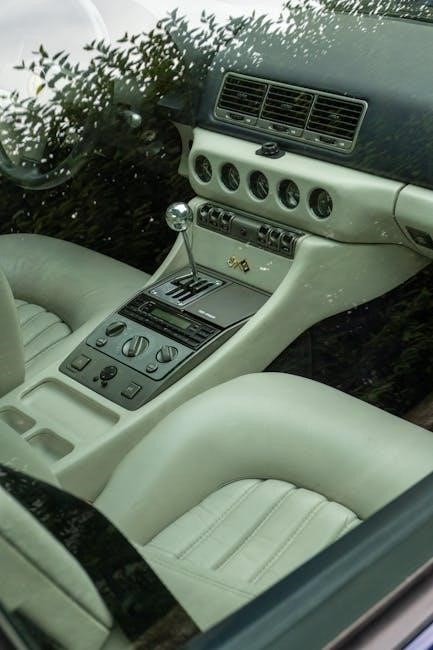


1․2 Importance of the Manual for Optimal Use

The Jura D6 manual is crucial for maximizing the machine’s potential․ It provides step-by-step instructions for setup, operation, and maintenance, ensuring users achieve the best coffee quality․ The manual highlights features like grind adjustment and wireless connectivity, while also addressing common issues such as the 8 oz cup limitation․ By following the guide, users can extend the machine’s lifespan and troubleshoot errors effectively․ Reading the manual thoroughly is essential for safe and efficient use, helping users unlock all the advanced functionalities of the Jura D6․

Key Features of the Jura D6

The Jura D6 boasts automatic coffee functionality, ultra-quiet operation, and a 13-grade grind adjustment․ It ensures precise brewing and addresses the 8 oz cup limitation effectively․

2․1 Automatic Coffee Machine Functionality

The Jura D6 offers seamless automatic functionality, allowing users to brew perfect coffee with minimal effort․ Its advanced features include automatic grinding, tamper-free operation, and precise temperature control․ The machine ensures consistent flavor by maintaining optimal brewing conditions․ With a user-friendly interface, it simplifies the process of making espresso, cappuccino, or latte․ The automatic functionality also includes a built-in grinder that freshly grinds beans for each cup, ensuring maximum aroma and flavor․ This feature-rich design makes it ideal for coffee enthusiasts seeking convenience without compromising on quality․

2․2 Quiet Operation and Ease of Use

The Jura D6 is designed for quiet operation, ensuring a peaceful coffee-making experience․ Its intuitive interface and straightforward controls make it easy to use, even for first-time users․ The machine features automatic functions that simplify the brewing process, allowing users to enjoy perfect coffee without complexity․ Many users have noted that the D6 is so user-friendly they barely needed the manual․ This combination of quiet efficiency and ease of operation makes the Jura D6 a standout choice for home and office settings alike․

2․3 13-Grade Grind Adjustment

The Jura D6 features a 13-grade grind adjustment, allowing users to customize the coarseness of their coffee grounds precisely․ This feature ensures optimal extraction for various coffee beans and roast levels, delivering consistent flavor․ The adjustable grinder caters to different brewing preferences, from fine espresso to coarser grounds for drip coffee․ This versatility makes the D6 a favorite among coffee enthusiasts, enabling them to experiment and find their ideal grind setting for the perfect cup every time․

First-Time Setup and Preparation

Unbox and inspect the Jura D6, ensuring all components are included․ Prepare the machine by rinsing and priming it for first use, following manual guidelines carefully․

3․1 Unboxing and Initial Inspection

Begin by carefully unboxing the Jura D6, ensuring all components are included․ Inspect the machine for any visible damage or defects․ Check for the power cord, water tank, and other accessories․ Plug in the machine and perform a visual inspection to ensure all parts are properly aligned and functional․ Refer to the manual for a detailed list of included items and initial setup steps․ This process ensures your machine is ready for first-time use and prevents potential issues down the line․

3․2 Preparing the Machine for First Use

Before first use, rinse the water tank thoroughly and refill it with fresh, filtered water․ Plug in the machine and power it on․ Allow the Jura D6 to complete its automatic rinse cycle to ensure internal components are clean․ Refer to the manual for guidance on initial setup, including any software updates or calibration steps․ Proper preparation ensures optimal performance and prevents any issues during your first brewing experience․

3․3 Connecting Wireless Accessories

To connect wireless accessories to your Jura D6, ensure the JURA Smart Connect is plugged in․ Follow the manual’s instructions for pairing devices․ The machine supports wireless integration with compatible accessories, enhancing convenience․ Refer to the manual for troubleshooting connectivity issues․ Proper setup ensures seamless operation and optimal performance of your Jura D6 coffee machine․

Operating the Jura D6

The Jura D6 operates quietly and efficiently, offering easy-to-use controls for daily brewing․ Follow the manual for maintenance reminders to ensure optimal performance and longevity․

4․1 Daily Use and Basic Functions

The Jura D6 is designed for effortless daily use, offering a user-friendly interface for brewing high-quality coffee․ Simply turn it on, select your preferred coffee option, and let the machine handle the rest․ The automatic functionality ensures precise temperature control and optimal extraction․ The 13-grade grind adjustment allows for customization to suit your taste preferences․ Note that the machine is set for an 8 oz cup size, which may require adjustments for larger cups․ Regularly following the manual’s maintenance guidelines will ensure longevity and consistent performance․

4․2 Customizing Your Coffee Experience

The Jura D6 allows you to tailor your coffee experience with its 13-grade grind adjustment, enabling you to fine-tune the flavor to your liking․ Experiment with different settings to find the perfect balance for your preferred coffee beans․ The machine also supports various coffee styles, from espresso to cappuccino, giving you flexibility in your daily brewing routine․ By adjusting these settings, you can ensure each cup meets your personal taste preferences, making every brew a delightful experience․ Refer to the manual for detailed guidance on customization options․

4․3 Maintenance Reminders and Alerts

The Jura D6 features automated maintenance reminders to ensure optimal performance․ Regular cleaning and descaling alerts prevent mineral buildup and maintain flavor quality․ The machine signals when it’s time for deep cleaning or when the water filter needs replacement․ Ignoring these alerts can lead to reduced efficiency or damage․ By following the manual’s guidance, you can address these reminders promptly, ensuring your D6 continues to deliver exceptional coffee experiences․ Proper maintenance is key to extending the machine’s lifespan and preserving its functionality․

Cleaning and Maintenance

Regular cleaning and descaling are crucial for the Jura D6’s longevity․ Daily wipe-downs, deep cleaning cycles, and filter replacements ensure optimal performance and prevent mineral buildup․

5․1 Daily Cleaning Routine

Regular cleaning ensures the Jura D6 performs optimally․ Empty the drip tray and coffee grounds container daily․ Wipe the machine’s exterior with a damp cloth and clean the brew group․ Use Jura-recommended cleaning tablets for routine maintenance; Descaling is also essential to prevent mineral buildup․ Follow the manual’s guidelines for deep cleaning cycles to maintain hygiene and performance․ Consistent upkeep extends the machine’s lifespan and ensures every cup tastes its best․ Always refer to the manual for specific cleaning instructions tailored to the Jura D6․

5․2 Descaling the Machine

Descaling the Jura D6 is crucial to remove mineral buildup and ensure optimal performance․ Use Jura-recommended cleaning tablets for this process․ The machine alerts you when descaling is needed․ Follow the manual’s step-by-step guide to initiate the descaling cycle․ Regular descaling prevents damage from limescale and maintains water flow․ Ensure water hardness is set correctly to avoid excessive mineral deposits․ Neglecting descaling can lead to reduced efficiency and potential machine damage․ Always use compatible descaling products to preserve the machine’s longevity and brewing quality․ Refer to the manual for detailed instructions and frequency recommendations․

5․3 Deep Cleaning and Sanitizing

Deep cleaning and sanitizing the Jura D6 ensures optimal performance and hygiene․ Use Jura-recommended cleaning tablets for this process․ Run a cleaning cycle every 1-2 months to remove old coffee oils and residue․ After cleaning, rinse the machine thoroughly to eliminate any tablet residue․ Regular deep cleaning prevents bacterial growth and maintains the machine’s internal hygiene․ Follow the manual’s instructions for the cleaning cycle and descaling to ensure the machine operates efficiently․ Proper sanitization extends the lifespan of the Jura D6 and ensures every cup of coffee tastes fresh and flavorful․

Troubleshooting Common Issues

The Jura D6 may show error messages․ Address the 8 oz cup limitation by adjusting settings․ Resetting the machine often resolves operational issues quickly․

6․1 Error Messages and Solutions

The Jura D6 displays error messages for specific issues․ A “Fill Water Tank” alert indicates low water levels․ “Clean Machine” signals the need for descaling or rinsing․ If coffee grounds are not ejecting properly, check the waste container․ For “Grind Adjustment,” ensure the grinder is set correctly․ Refer to the manual for detailed solutions․ Regular maintenance, like descaling, prevents errors․ Addressing alerts promptly ensures optimal performance and extends the machine’s lifespan․ Always follow the manual’s troubleshooting guide for resolving issues efficiently․

6․2 Addressing the 8 Oz Cup Limitation

The Jura D6’s 8 oz cup limitation can be managed by using the double cup function, allowing two cups at once․ For larger servings, adjust the coffee strength or water volume․ Ensure the cup size setting matches your needs․ Regular descaling prevents scaling issues that might worsen the limitation․ Proper maintenance ensures optimal performance within the machine’s design constraints․ Refer to the manual for customization tips to maximize your brewing experience despite the 8 oz limit․ This ensures every cup meets your expectations for flavor and quality․

6․3 Resetting the Machine

Resetting the Jura D6 can resolve various issues․ Turn the machine off, wait 30 seconds, then turn it back on․ For a factory reset, press and hold the steam button while turning it on․ This restores default settings but retains customizations․ After resetting, rinse the machine to ensure cleanliness․ Regular resets can prevent software glitches and maintain performance․ Always refer to the manual for detailed reset instructions to avoid unintended changes․ Resetting is a simple yet effective way to troubleshoot and keep your Jura D6 functioning optimally․ This process ensures consistent coffee quality and machine reliability․

Accessories and Compatibility

The Jura D6 supports wireless accessories for enhanced functionality and is compatible with Jura-recommended cleaning tablets, ensuring optimal performance and longevity of the machine․

7․1 Jura-Recommended Cleaning Tablets

Jura-recommended cleaning tablets are essential for maintaining the D6’s performance and longevity․ These tablets are specifically designed to descale and clean internal components, ensuring optimal functionality․ Regular use prevents mineral buildup and maintains the machine’s hygiene․ The tablets are compatible with the D6’s automated cleaning cycle, making maintenance effortless․ They are a crucial part of the recommended maintenance routine to preserve the machine’s efficiency and ensure consistent coffee quality․ Using Jura-approved tablets guarantees compatibility and effectiveness, aligning with the machine’s advanced features like the 13-grade grind adjustment․ This ensures your D6 continues to deliver exceptional results․

7․2 Wireless Connection Accessories

The Jura D6 supports wireless connection accessories, enhancing user convenience․ The JURA Smart Connect accessory allows wireless integration with compatible devices, enabling seamless control and customization․ This feature simplifies operation and expands functionality, making it easier to tailor your coffee experience․ The wireless connection ensures compatibility with Jura’s advanced systems, providing a modern and intuitive user experience․ By leveraging this technology, users can effortlessly manage their machine’s settings and maintain optimal performance․ This accessory is a key component for those seeking a connected and efficient coffee-making process․

User Experience and Feedback

Users praise the Jura D6 for its ease of operation and quiet performance; Feedback highlights excellent coffee quality, though some note the 8 oz cup limitation as a drawback․

8․1 Ease of Operation and Quietness

The Jura D6 is renowned for its user-friendly design and silent operation․ Users highlight its intuitive interface, making it easy to navigate and customize coffee settings․ The machine operates quietly, ensuring minimal disruption during brewing․ This combination of simplicity and noise reduction enhances the overall coffee-making experience, making it ideal for both home and office environments․ The seamless functionality and quiet performance are key reasons for its popularity among coffee enthusiasts seeking convenience without compromise․

8․2 User Reviews and Satisfaction

Users consistently praise the Jura D6 for its exceptional performance and ease of use․ Many highlight its ability to produce high-quality coffee with minimal effort․ The machine’s quiet operation is frequently commended, making it ideal for home environments․ Satisfaction levels are high, with users appreciating the intuitive interface and customizable settings․ While some note the 8 oz cup limitation, the overall consensus is positive, with many considering it a worthwhile investment for coffee enthusiasts seeking convenience and quality․ The Jura D6’s reputation is further enhanced by its reliability and durability, as reported by satisfied customers․

8․3 Common User Complaints

Despite its popularity, the Jura D6 has some common user complaints․ The 8 oz cup limitation is frequently criticized, with many wishing for a larger capacity․ Some users find the machine’s reliance on the manual for troubleshooting frustrating․ Additionally, the cost of Jura-recommended cleaning tablets and accessories is a point of contention; A few users also mention that the machine’s quiet operation, while appreciated, can sometimes make it difficult to gauge brewing progress․ These issues, however, do not overshadow the overall satisfaction with the machine’s performance and coffee quality․

Tips for Optimal Performance

  • Regularly clean the machine to prevent residue buildup․
  • Use Jura-recommended cleaning tablets for maintenance․
  • Experiment with grind settings for perfect extraction․

9․1 Experimenting with Grind Settings

Experimenting with the Jura D6’s 13-grade grind adjustment enhances coffee quality․ Start with a medium setting for balanced extraction․ Fine grinds suit espresso, while coarser grinds are ideal for longer brews․ Adjust based on bean origin and roast level․ Freshly roasted beans may require a coarser grind․ Note the machine’s 8 oz cup limitation when customizing․ Regularly cleaning the grinder ensures optimal performance․ Refer to the manual for guidance on adjusting grind settings for specific coffee styles and achieving your preferred flavor profile․

9․2 Regular Maintenance for Longevity

Regular maintenance ensures the Jura D6’s longevity and optimal performance․ Daily cleaning of the brew group and grinds container prevents residue buildup․ Descaling every 2-3 months, depending on water hardness, removes mineral deposits․ Use Jura-recommended cleaning tablets for deep cleaning to maintain flavor and hygiene․ Regularly rinse the machine and replace worn parts․ Proper care extends the machine’s lifespan and prevents common issues․ Follow the manual’s guidelines for maintenance schedules and procedures to keep your Jura D6 functioning like new․

Comparing Jura D6 to Other Models

The Jura D6 stands out for its compact design and essential features, offering a balance between affordability and performance compared to the E8 and A1 models․

10․1 Differences from Jura E8 and A1

The Jura D6 differs from the E8 and A1 in features and design․ The E8 offers advanced options like a color touchscreen and more coffee varieties, while the A1 is ultra-compact and focuses on espresso․ The D6 balances affordability with essential features, making it a mid-range option․ It lacks the E8’s high-end customization but is more affordable․ The A1, being specialized, lacks the D6’s versatility․ Each model caters to different user preferences, with the D6 offering a practical blend of performance and value․

Safety Precautions

Always read the manual before use to ensure safe operation․ Use the machine as intended to avoid accidents and damage․ Proper handling and storage are essential․

11․1 General Safety Guidelines

Always read the manual before using the Jura D6 to ensure safe operation․ Use the machine as intended and avoid unauthorized modifications․ Keep children away from hot surfaces and moving parts․ Regularly inspect the power cord and plug for damage․ Avoid overheating by ensuring proper ventilation․ Never immerse the machine in water or expose it to excessive moisture․ Store the machine in a dry, cool place when not in use․ Follow all warnings and precautions outlined in the manual to prevent accidents and ensure longevity of the device․

11․2 Handling and Storage Tips

Handle the Jura D6 with care to avoid damage․ Clean the machine before storing it in a dry, cool place․ Avoid exposure to direct sunlight or extreme temperatures․ Store the device in its original packaging if possible to protect it during moves․ Ensure the machine is unplugged and secured to prevent accidental movement․ Regularly inspect for dust or moisture buildup․ Follow the manual’s guidelines for proper handling to maintain performance and longevity․ Always store accessories separately to avoid damage or misplacement․

Warranty and Support

The Jura D6 comes with a comprehensive warranty․ Contact Jura support for assistance․ The manual provides detailed warranty terms and support contact information for users․

12․1 Understanding Your Warranty

The Jura D6 warranty provides coverage for defects in materials and workmanship․ Registration is recommended for extended benefits․ The manual outlines warranty terms, including duration and covered repairs․ Contact Jura support for claims or inquiries․ Ensure to review the warranty document for specific conditions and exclusions․ Proper maintenance, as detailed in the manual, is essential to uphold warranty validity․ Jura’s customer service is available to assist with any warranty-related questions or concerns, ensuring your machine performs optimally throughout the coverage period․

12․2 Contacting Jura Support

For assistance with your Jura D6, contact Jura support via phone, email, or through their official website․ Registered owners receive priority service․ The manual provides detailed contact information and support options․ Ensure to have your machine’s serial number ready for efficient assistance․ Jura’s customer service operates Monday through Friday, offering expert help for troubleshooting, repairs, and warranty inquiries․ Visit the Jura website for regional contact details and additional resources․ Prompt support ensures your D6 continues to deliver exceptional coffee experiences․

The Jura D6 manual provides comprehensive guidance for optimal use, ensuring a seamless coffee experience․ From setup to maintenance, it covers all aspects, addressing the 8 oz cup limitation and promoting regular care․ With detailed troubleshooting and support options, users can resolve issues efficiently․ The manual emphasizes ease of use, quiet operation, and customization, making it an invaluable resource for D6 owners․ By following the guidelines, users can extend the machine’s longevity and enjoy perfect brews consistently․ Refer to the manual for any queries, ensuring your Jura D6 continues to deliver exceptional performance․

kenmore quiet guard standard dishwasher manual

Welcome to the Kenmore Quiet Guard Standard Dishwasher Manual! This guide provides essential information to help you understand‚ install‚ and operate your dishwasher efficiently. It covers features‚ maintenance‚ and troubleshooting tips to ensure optimal performance and longevity of your appliance. Refer to this manual for a seamless experience with your Kenmore Quiet Guard dishwasher.

1.1 Overview of the Kenmore Quiet Guard Standard Dishwasher

The Kenmore Quiet Guard Standard Dishwasher is designed for efficient and quiet performance‚ featuring advanced wash cycles and noise-reduction technology. It offers a spacious interior‚ multiple wash options‚ and energy-saving modes. With its sleek design and user-friendly controls‚ this dishwasher simplifies cleaning while minimizing noise. The QuietGuard technology ensures a peaceful kitchen environment‚ making it ideal for daily use. This appliance is built to deliver reliable performance and durability‚ making it a great addition to modern kitchens.

1.2 Importance of Reading the Manual

Reading the Kenmore Quiet Guard Standard Dishwasher Manual is crucial for optimal performance and safety. It provides detailed instructions for installation‚ operation‚ and maintenance‚ ensuring you understand all features and functions. The manual also includes troubleshooting tips to address common issues and guidelines for proper care. By following the manual‚ you can extend the lifespan of your dishwasher‚ avoid potential damage‚ and make the most of its advanced capabilities. It serves as a comprehensive guide to help you achieve efficient and quiet dishwashing results.

Key Features of the Kenmore Quiet Guard Standard Dishwasher

The Kenmore Quiet Guard Standard Dishwasher features QuietGuard Technology for noise reduction‚ advanced wash cycles‚ and energy-efficient performance‚ ensuring a superior cleaning experience with minimal disturbance.

2.1 QuietGuard Technology for Noise Reduction

The Kenmore Quiet Guard Standard Dishwasher incorporates QuietGuard Technology‚ featuring a two-pump motor system‚ triple insulation‚ and a suspended motor design. These components work together to minimize noise during operation‚ ensuring a peaceful kitchen environment. The advanced insulation absorbs vibrations‚ while the motor system optimizes performance without sacrificing quietness. This technology makes the dishwasher one of the quietest in its class‚ allowing you to run cycles without interruptions or disturbances‚ even during late-night hours.

2.2 Advanced Wash Cycles and Options

The Kenmore Quiet Guard Standard Dishwasher offers a variety of advanced wash cycles‚ including Heavy Duty‚ Normal‚ and Light/China‚ tailored for different loads and soil levels. Additional options like Hot Start‚ Sani Rinse‚ and Energy Save provide flexibility for specific cleaning needs. Hot Start preheats water for tougher stains‚ while Sani Rinse ensures dishes are sanitized at high temperatures. Energy Save mode optimizes water and energy usage for eco-friendly operation. These cycles and options ensure your dishes receive the right treatment‚ balancing cleanliness‚ efficiency‚ and convenience for all your dishwashing requirements.

Installation and Setup Guidelines

Ensure proper installation by following the manual’s step-by-step guide. Verify electrical‚ water‚ and drainage connections meet requirements. Correct setup ensures optimal performance and longevity of your dishwasher.

3.1 Pre-Installation Requirements

Before installing your Kenmore Quiet Guard Standard Dishwasher‚ ensure the installation site meets all requirements. Verify that the electrical and plumbing connections are compatible and easily accessible. Check that the floor is level and sturdy to support the dishwasher’s weight. Ensure the power supply matches the specifications outlined in the manual. Inspect the water supply lines for any damage or leaks. Gather all necessary tools and materials‚ such as wrenches and adapters‚ to complete the installation smoothly. Compliance with these pre-installation steps ensures a safe and proper setup process.

3.2 Step-by-Step Installation Instructions

Begin by carefully unboxing and inspecting the dishwasher for any damage. Secure the appliance to the surrounding cabinetry using the provided mounting brackets to prevent movement. Connect the water supply lines to the dishwasher’s inlet valves‚ ensuring they are tightly sealed. Plug the power cord into a nearby grounded outlet. Align the drain hose with the sink drain or garbage disposal‚ clamping it in place. Test the installation by running a short cycle to check for leaks or irregular noises. Ensure the dishwasher is level and stable to guarantee optimal performance and safety.

Operating the Kenmore Quiet Guard Standard Dishwasher

Operate your Kenmore Quiet Guard dishwasher by selecting the appropriate wash cycle via the control panel. Load dishes securely‚ ensuring spray arms are unobstructed. Start the cycle and monitor progress for optimal cleaning efficiency.

4.1 Understanding the Control Panel

The Kenmore Quiet Guard Standard Dishwasher features an intuitive control panel designed for easy operation. It includes buttons for selecting wash cycles‚ options‚ and starting/stopping the dishwasher. The LCD display shows the cycle progress‚ remaining time‚ and temperature settings. Indicator lights signal the current operation status‚ such as washing‚ rinsing‚ or drying. Familiarize yourself with the panel layout to navigate effortlessly. Proper use ensures efficient cleaning and customized care for your dishes.

4.2 Selecting the Right Wash Cycle

Selecting the right wash cycle on your Kenmore Quiet Guard Standard Dishwasher ensures optimal cleaning for different types of dishes. The Heavy Duty cycle is ideal for heavily soiled items‚ while the Normal cycle works best for everyday loads. For delicate items‚ choose the Light/China cycle to prevent damage. The Pots and Pans cycle is designed for tough grease and food residue. Additionally‚ options like Heated Dry or Energy Saver can be added to enhance drying performance or reduce energy consumption. Refer to the manual for detailed cycle descriptions and load preparation tips.

Maintenance and Care Tips

Maintain your Kenmore Quiet Guard dishwasher for optimal performance. Regularly clean the filter‚ check for worn parts‚ and ensure proper water temperature. This ensures long-term efficiency and longevity.

5.1 Cleaning the Filter and Drain

Regularly cleaning the filter and drain ensures optimal performance. Locate the filter at the bottom‚ remove‚ and rinse with warm water. Check for debris buildup. Replace it securely. For the drain‚ inspect and clear blockages to prevent water flow issues. Follow manual instructions for detailed steps. This maintenance prevents poor cleaning results and extends your dishwasher’s lifespan. A clean system also reduces odors and enhances efficiency. Schedule this task monthly for best results.

5.2 Regular Maintenance for Optimal Performance

Regular maintenance keeps your Kenmore Quiet Guard dishwasher running smoothly. Check and clean the detergent dispenser‚ spray arms‚ and door seals for buildup. Run a cleaning cycle monthly using a dishwasher cleaner to remove grease and odors. Ensure water temperature is set correctly. Inspect hoses for leaks or damage. Lubricate door hinges annually for smooth operation. Refer to your manual for specific steps. These simple tasks prevent issues and maintain efficiency‚ ensuring your dishwasher performs at its best for years to come. Consistency is key for optimal results.

Troubleshooting Common Issues

Identify and resolve common issues with your Kenmore Quiet Guard dishwasher. Check error codes for specific problems‚ such as drainage or heating issues. Address unusual noises‚ poor cleaning‚ or malfunctioning cycles. Refer to the manual for detailed solutions and maintenance tips to restore performance. Regular checks and timely fixes ensure long-term efficiency and reliability. Always consult the manual for guidance on resolving operational issues effectively. Troubleshooting helps prevent major repairs and keeps your dishwasher running smoothly. Consistent maintenance is key to avoiding common problems. Ensure optimal performance by addressing issues promptly. Always refer to the manual for accurate solutions. Troubleshooting common issues ensures your Kenmore Quiet Guard dishwasher operates efficiently. Regular checks and timely fixes prevent major repairs. Addressing issues promptly maintains performance. Refer to the manual for detailed solutions. Troubleshooting common issues ensures your Kenmore Quiet Guard dishwasher operates efficiently. Regular checks and timely fixes prevent major repairs. Addressing issues promptly maintains performance. Refer to the manual for detailed solutions. Troubleshooting common issues ensures your Kenmore Quiet Guard dishwasher operates efficiently. Regular checks and timely fixes prevent major repairs. Addressing issues promptly maintains performance. Refer to the manual for detailed solutions. Troubleshooting common issues ensures your Kenmore Quiet Guard dishwasher operates efficiently. Regular checks and timely fixes prevent major repairs. Addressing issues promptly maintains performance. Refer to the manual for detailed solutions. Troubleshooting common issues ensures your Kenmore Quiet Guard dishwasher operates efficiently. Regular checks and timely fixes prevent major repairs. Addressing issues promptly maintains performance. Refer to the manual for detailed solutions. Troubleshooting common issues ensures your Kenmore Quiet Guard dishwasher operates efficiently. Regular checks and timely fixes prevent major repairs. Addressing issues promptly maintains performance. Refer to the manual for detailed solutions; Troubleshooting common issues ensures your Kenmore Quiet Guard dishwasher operates efficiently. Regular checks and timely fixes prevent major repairs. Addressing issues promptly maintains performance. Refer to the manual for detailed solutions. Troubleshooting common issues ensures your Kenmore Quiet Guard dishwasher operates efficiently. Regular checks and timely fixes prevent major repairs. Addressing issues promptly maintains performance. Refer to the manual for detailed solutions. Troubleshooting common issues ensures your Kenmore Quiet Guard dishwasher operates efficiently. Regular checks and timely fixes prevent major repairs. Addressing issues promptly maintains performance. Refer to the manual for detailed solutions.

6.1 Identifying Error Codes

The Kenmore Quiet Guard Standard Dishwasher manual includes a list of error codes to help diagnose issues. Each code corresponds to a specific problem‚ such as drainage faults or sensor malfunctions. When an error code appears‚ refer to the manual to understand its meaning. Common codes like “E1” may indicate a water supply issue‚ while others might signal problems with the heating element or motor. Identifying these codes is the first step in troubleshooting and resolving operational issues effectively. Always consult the manual for accurate interpretations and solutions to ensure your dishwasher runs smoothly.

6.2 Resolving Common Operational Problems

Common issues with your Kenmore Quiet Guard dishwasher‚ such as poor cleaning performance or excessive noise‚ can often be resolved with simple troubleshooting. Check the filter and drain for blockages‚ ensure proper detergent usage‚ and verify that the dishwasher is leveled correctly. For noise-related problems‚ inspect for loose parts or improper installation. Resetting the dishwasher by turning it off and on may also resolve minor glitches. Always refer to the manual for specific guidance on addressing these issues effectively and maintaining optimal performance; Regular maintenance can prevent many operational problems from occurring.

Warranty and Customer Support Information

Your Kenmore Quiet Guard dishwasher is backed by a comprehensive warranty. For details‚ visit the official Kenmore website or contact customer support at 1-800-4MY-HOME.

7.1 Understanding the Warranty Coverage

The Kenmore Quiet Guard Standard Dishwasher is protected by a comprehensive warranty program. This coverage includes repairs and replacements for defective parts and labor under normal use. The warranty typically lasts for one year from the date of purchase‚ covering manufacturing defects. For detailed terms and conditions‚ refer to the manual or visit Kenmore’s official website. Understanding your warranty ensures peace of mind and protects your investment in the appliance. Contact Kenmore Customer Service for any warranty-related inquiries or claims.

7.2 Contacting Kenmore Customer Service

For assistance with your Kenmore Quiet Guard Standard Dishwasher‚ contact Kenmore Customer Service. Reach them via phone‚ live chat‚ or email through their official website. Representatives are available to address warranty claims‚ repair inquiries‚ and technical support. Visit the Kenmore website for contact details and troubleshooting resources. Ensure you have your dishwasher’s model number and purchase details ready for efficient service. Kenmore’s customer support team is committed to resolving your concerns promptly‚ ensuring your appliance operates at its best.

vocsn ventilator manual

Overview of the VOCSN Ventilator Manual

The VOCSN Ventilator Manual provides a comprehensive guide to understanding and operating the device, covering its features, setup, and clinical applications for healthcare professionals, ensuring safe and effective use.

The VOCSN Ventilator System is an advanced, portable, and lightweight critical care ventilator designed for both clinical and home care settings. It integrates multiple respiratory therapies, including ventilation, oxygen, cough, suction, and nebulizer, into one compact device. The system meets rigorous critical care standards, ensuring safety, accuracy, and versatility for diverse patient needs. Its design allows for seamless operation across various environments, making it a comprehensive solution for respiratory support. The VOCSN system is engineered to deliver high-performance therapy with ease of use and mobility.

1.2 Key Features and Capabilities

The VOCSN ventilator is a multi-functional device combining ventilation, oxygen therapy, cough assist, suction, and nebulizer in one portable unit. It is FDA 510(k) cleared and meets critical care standards for safety and accuracy. The system supports invasive, noninvasive, and mouthpiece ventilation, offering a range of modes to suit diverse patient needs. Its lightweight and compact design ensures mobility, while advanced features like adjustable settings and real-time monitoring enhance patient care. VOCSN is designed for both clinical and home use, providing versatile and reliable respiratory support.

Design and Functionality

The VOCSN ventilator features a compact, lightweight design, integrating multiple respiratory therapies into one portable device, ensuring ease of use and adherence to critical care standards.

2.1 Portable and Lightweight Construction

The VOCSN ventilator is designed with portability in mind, weighing significantly less than traditional ventilators while maintaining critical care capabilities. Its lightweight construction allows for easy transport and use across various clinical settings. This feature enhances patient mobility and ensures uninterrupted therapy delivery. The device’s compact size does not compromise its functionality, making it ideal for both hospital and home care environments. The portability of VOCSN addresses the need for versatile respiratory support in diverse patient situations, ensuring optimal care without restrictions.

2.2 Integration of Multiple Respiratory Therapies

The VOCSN ventilator uniquely integrates five critical respiratory therapies—ventilation, oxygen therapy, cough assist, suction, and nebulization—into a single device. This integration streamlines patient care by eliminating the need for multiple machines, reducing complexity for healthcare providers. The device’s comprehensive capabilities ensure consistent and efficient delivery of therapies, tailored to meet the diverse needs of critically ill patients. This all-in-one design enhances clinical efficiency and improves patient outcomes by providing seamless therapy transitions and reducing equipment burden in both clinical and home settings.

2.3 Critical Care Standards and Safety

The VOCSN ventilator meets rigorous critical care standards, ensuring high accuracy and reliability in life-supporting therapies. Designed with patient safety in mind, it incorporates advanced features to prevent adverse events, such as alarms for high and low airway pressures. The device adheres to FDA 510(k) clearance requirements, confirming its suitability for critical care environments. Its compact design and intuitive interface further enhance patient safety by reducing operational complexity and minimizing risks associated with therapy delivery in both hospital and home settings.

Operating the VOCSN Ventilator

Operating the VOCSN ventilator involves setting up the device, understanding ventilation modes, and troubleshooting common issues to ensure effective patient care and safe therapy delivery.

3.1 Setting Up the Device

Setting up the VOCSN ventilator involves connecting the device, ensuring proper power supply, and preparing the patient interface. Follow the clinical manual for detailed instructions.

3.2 Understanding Ventilation Modes

The VOCSN ventilator offers multiple ventilation modes, including invasive, noninvasive, and mouthpiece ventilation options. It supports modes like Volume Control, Pressure Control, and SPAP to meet diverse patient needs. The device provides a comprehensive set of settings to ensure precise delivery of therapy. Refer to the clinical manual for detailed explanations of each mode and guidance on selecting the appropriate therapy for specific patient conditions. Understanding these modes is essential for optimizing patient care and ensuring safe operation of the ventilator.

3.3 Troubleshooting Common Issues

The VOCSN ventilator manual provides detailed guidance for troubleshooting common issues, such as alarm codes, system faults, and patient circuit problems. Users can refer to the manual for step-by-step solutions to resolve errors, ensuring continuous and safe operation. Troubleshooting sections cover alarm conditions, system checks, and maintenance tips. For complex issues, the manual directs users to contact Ventec Life Systems support for assistance. Regular reference to the troubleshooting guide helps optimize device performance and patient care.

Clinical Applications

The VOCSN ventilator supports invasive, noninvasive, and mouthpiece ventilation, integrating oxygen, cough, suction, and nebulizer therapies in a portable, critical care-compliant device for diverse clinical needs.

4.1 Invasive, Noninvasive, and Mouthpiece Ventilation

The VOCSN ventilator accommodates various patient needs through invasive, noninvasive, and mouthpiece ventilation methods. Invasive ventilation supports intubated patients, while noninvasive options like mask ventilation are ideal for less critical cases. Mouthpiece ventilation offers an alternative for patients who can breathe on their own but require support. These diverse modalities make VOCSN suitable for a wide range of clinical settings, from critical care to home use, ensuring personalized and effective respiratory support.

4.2 Oxygen, Cough, Suction, and Nebulizer Therapies

The VOCSN ventilator seamlessly integrates oxygen therapy, cough assist, suction, and nebulizer functionalities, providing comprehensive respiratory support. Oxygen therapy delivers concentrated airflow, while cough assist aids in secretion clearance. Suction functionality removes secretions effectively, and the nebulizer administers medications directly. This all-in-one design ensures efficient therapy delivery, simplifying patient care across clinical and home settings. The VOCSN’s versatility in combining these therapies highlights its role in advanced respiratory care, offering a portable solution for diverse patient needs.

Training and Support Resources

The VOCSN ventilator manual offers a Clinical and Technical Manual, Quick Start Manual, and video guides for training. A Help and Troubleshooting Knowledge Base is also available, along with contact support for assistance.

5.1 Clinical and Technical Manual

The Clinical and Technical Manual for the VOCSN ventilator is a detailed guide covering software version 4.06. It provides in-depth information on setup, operation, and troubleshooting, ensuring safe and effective use. The manual includes comprehensive details on ventilation modes, therapies, and technical specifications. Available for free as a PDF download, it serves as an essential resource for healthcare professionals to master the device’s capabilities and configurations, supporting both clinical and technical aspects of patient care with precision and accuracy;

5.2 Video Demonstrations and Guides

Video demonstrations and guides supplement the VOCSN ventilator manual, offering visual step-by-step instructions. These resources cover setup, operation, and troubleshooting, enhancing understanding. A 10-minute video overview is available, along with tutorials on specific features like ventilation modes and therapy integration. These guides are designed to help healthcare professionals master the device quickly, ensuring optimal patient care. Accessible online, they provide practical insights and hands-on training, complementing the clinical and technical manual for comprehensive learning and proficiency with the VOCSN system.

Regulatory and Technical Information

VOCSN holds FDA 510(k) clearance, ensuring compliance with critical care standards. It integrates multiple therapies, offering precise technical specifications for safe, portable, and reliable ventilation solutions in various clinical settings.

6.1 FDA 510(k) Clearance

The VOCSN ventilator has received FDA 510(k) clearance, confirming its compliance with rigorous safety and performance standards. This clearance underscores its ability to deliver reliable respiratory support across diverse clinical settings, ensuring patient safety and therapeutic efficacy. The device meets critical care benchmarks for accuracy and safety, making it a trusted solution in healthcare environments. Its multi-functional design combines ventilation, oxygen therapy, and other respiratory support modalities, all validated by FDA approval to meet patient needs effectively.

6.2 Technical Specifications

The VOCSN ventilator is designed as a lightweight, portable device weighing under 20 pounds, making it ideal for both clinical and home use. It supports invasive, noninvasive, and mouthpiece ventilation, offering a range of modes to meet patient needs. The device integrates five therapies: mechanical ventilation, oxygen, cough assist, suction, and nebulizer, into one unit. With advanced safety features and critical care standards, VOCSN ensures precise airflow delivery and reliability. Its compact design and multi-functionality make it a versatile solution for respiratory care.

baofeng uv-5r manual

Welcome to the Baofeng UV-5R manual! This guide provides essential information for safe and effective use of your transceiver, ensuring optimal performance and functionality.

1.1 Overview of the Baofeng UV-5R Radio

The Baofeng UV-5R is a compact, dual-band transceiver supporting VHF and UHF frequencies. It is designed for portable use, featuring a built-in flashlight, rechargeable battery, and multiple operating modes. Known for its durability and versatility, this radio is popular among amateur operators and professionals alike, offering reliable communication in various environments.

1.2 Importance of Reading the Manual

Reading the Baofeng UV-5R manual is crucial for understanding its features, safety guidelines, and proper operation. It helps users maximize performance, troubleshoot issues, and ensure compliance with regulations. The manual provides detailed instructions for programming, mode selection, and accessory installation, ensuring safe and effective communication. Familiarizing yourself with the manual is essential for optimal use of your radio.

Key Features and Functions of the Baofeng UV-5R

The Baofeng UV-5R offers dual-band VHF/UHF operation, high power output, multiple operating modes, and a built-in flashlight, ensuring versatile and reliable communication in various scenarios.

2.1 Dual Band Operation (VHF/UHF)

The Baofeng UV-5R supports dual-band operation, covering VHF (136-174 MHz) and UHF (400-520 MHz) frequencies. This feature enables communication across both bands, ensuring versatility in various environments. VHF excels for long-range outdoor use, while UHF performs better in urban or indoor settings with obstacles. The UV-5R allows simultaneous display and operation on both bands, making it ideal for diverse communication needs.

2.2 High Power Output (4-5W)

The Baofeng UV-5R delivers a high power output of 4-5W, ensuring strong signal transmission and extended communication range. This feature enhances performance in challenging environments, such as outdoor or urban settings with obstacles. The higher power output improves reliability and clarity, making it ideal for professional and emergency use. Always use an efficient antenna to maximize its effectiveness and achieve optimal results.

2.3 Multiple Operating Modes

The Baofeng UV-5R supports multiple operating modes, including VFO (Frequency Mode) and MR (Memory Recall/Channel Mode). VFO allows direct frequency input, while MR enables quick access to pre-programmed channels. Additional modes include a built-in scanner for frequency searching and customizable settings for enhanced communication flexibility. These modes cater to various user needs, making the radio versatile for both casual and professional use.

2.4 Built-in Flashlight

The Baofeng UV-5R features a practical built-in flashlight, enhancing its utility in low-light conditions. Located on the radio’s top, it provides reliable illumination for nighttime operations or emergencies. Activated with a dedicated button, the flashlight is energy-efficient and prolongs battery life, making it a handy addition for outdoor and tactical use.

Safety Information and Precautions

Always prioritize safety when using the Baofeng UV-5R. Use only approved batteries and chargers to avoid damage. Ensure the antenna is undamaged and follow all local regulations to prevent interference.

3.1 General Safety Guidelines

Always use the Baofeng UV-5R responsibly. Avoid exposing the radio to extreme temperatures or moisture. Use only approved batteries and chargers to prevent damage. Keep the antenna undamaged and avoid touching it during transmission. Turn off the radio in areas with posted restrictions, such as hospitals or fuel stations, to prevent interference. Follow local regulations for safe and legal operation.

3.2 Handling the Antenna

Install the antenna correctly by screwing it clockwise until snug. Avoid using a damaged antenna, as it can harm performance or cause interference. The antenna is crucial for signal transmission and reception, so handle it with care. Do not touch the antenna during transmission, as it may affect signal quality. Regularly inspect and clean the antenna to ensure optimal functionality.

3.3 Battery and Charger Safety

Use only BAOFENG-approved batteries and chargers to prevent damage. Never use a radio with a damaged antenna or battery. Turn off the device in areas with posted restrictions. Avoid using near medical equipment to prevent interference. Regularly inspect the battery for wear and charge it correctly to maintain longevity and safety.

Unpacking and Checking the Equipment

Upon unpacking, verify all included accessories like the antenna, charger, and belt clip. Inspect the radio for any visible damage and ensure all components are intact and functional.

4.1 Included Accessories

Your Baofeng UV-5R package typically includes the radio, antenna, charger, rechargeable battery, belt clip, and user manual. Optional accessories like earpieces or programming cables may also be provided, depending on the bundle.

4.2 Initial Inspection

Before using your Baofeng UV-5R, inspect the device for any visible damage. Check the exterior, antenna, battery, and charger for signs of wear or defects. Ensure all included accessories are present and undamaged. This initial check helps prevent potential issues during operation and ensures proper functionality right out of the box.

Installing Accessories

Install the antenna by screwing it clockwise until secure. Optional accessories like earpieces or speakers can enhance functionality. Refer to specific sections for detailed installation guidance.

5.1 Installing the Antenna

To install the antenna, align the threads and screw it clockwise until snug. Avoid over-tightening to prevent damage. Ensure the antenna is securely attached for optimal signal reception and transmission. For best performance, use original or compatible accessories. Proper installation ensures reliable communication and maximizes the radio’s efficiency in various operating conditions.

5.2 Optional Accessories

Enhance your Baofeng UV-5R experience with optional accessories like high-gain antennas for improved signal strength, programming cables for computer-based setup, and external microphones for clearer communication. Additional items such as earpieces, batteries, and chargers can also be purchased to customize your radio setup. Ensure compatibility by selecting accessories designed for the UV-5R model to maintain optimal performance and functionality.

Programming the Baofeng UV-5R

Program your Baofeng UV-5R to customize frequencies, channels, and settings. Use Frequency Mode for direct input or Channel Mode for stored presets. Utilize software tools like Chirp for advanced configurations and repeater setups, ensuring seamless communication and optimal performance tailored to your needs.

6.1 Frequency Mode

In Frequency Mode, directly input desired frequencies using the keypad. Select VHF or UHF bands, set offset directions, and configure tones. Use software like Chirp for precise adjustments. Ensure settings align with repeater requirements for seamless operation. This mode offers flexibility for customizing your communication experience. Always test configurations to confirm proper functionality before finalizing.

6.2 Channel Mode

Channel Mode allows you to store and quickly access frequently used frequencies. Save up to 128 channels by selecting a frequency in VFO mode, then assigning it to a channel number. Use the keypad to navigate and select channels efficiently. This mode simplifies operation, enabling rapid access to essential communications without manual frequency input. Ensure all saved channels are tested for proper functionality.

6.3 Setting Up Repeater Channels

To configure repeater channels, enter Frequency Mode and input the repeater’s frequency. Set the offset (+/-) and direction based on the repeater’s requirements. Choose the correct CTCSS or DCS tone if needed; Save the configuration to a channel for quick access. Ensure the repeater settings match local guidelines for proper operation. Always test the repeater channel to confirm successful setup and functionality.

6.4 Configuring Tone Settings

To configure tone settings, access the menu and select the desired tone type (e.g., CTCSS or DCS). Input the tone code using the keypad and save it to the channel. Ensure the tone matches the repeater or other users for proper communication. Tone settings are crucial for filtering unwanted signals and ensuring clear transmission. Always test the tone configuration to confirm compatibility and functionality. This step ensures optimal communication quality and reduces interference.

Troubleshooting Common Issues

Common issues include no channel names displayed, connectivity problems with programming cables, and antenna signal strength issues. Check connections, reset settings, and ensure proper antenna installation for resolution. Regularly update firmware and use compatible accessories to avoid malfunctions. Refer to the manual for detailed troubleshooting steps and solutions to ensure optimal performance. Always verify antenna condition and programming accuracy to maintain reliable communication. If issues persist, consult the support resources or contact Baofeng customer service for further assistance.

7;1 No Channel Names Displayed

If your Baofeng UV-5R displays frequencies instead of channel names, ensure the radio is in Channel Mode. Verify that channel labels were correctly programmed using software like Chirp or the programming cable. Resetting the radio to factory settings may resolve the issue. Additionally, check for firmware updates, as outdated software can cause display problems. Always ensure proper synchronization between the radio and programming tools to maintain accurate channel information. If the problem persists, consult the manual or contact Baofeng support for further assistance.

  • Check Channel Mode activation.
  • Verify channel labels in programming software.
  • Reset to factory settings if necessary.
  • Update firmware for optimal performance.

7.2 Connectivity Problems with Programming Cable

Ensure the programming cable is securely connected to both the radio and computer. Use only original or compatible cables to avoid connection issues. Install the correct drivers from the Baofeng website. If problems persist, restart the radio, disable any antivirus software temporarily, and ensure the radio is in PC Mode. Update firmware if necessary. For persistent issues, contact Baofeng support.

  • Check cable connections for stability.
  • Use original or verified third-party cables.
  • Install updated drivers from Baofeng.
  • Enable PC Mode on the radio.

7.3 Antenna and Signal Strength Issues

Ensure the antenna is securely attached and undamaged. For optimal signal strength, use a high-quality antenna. Adjust the squelch settings to minimize interference. If issues persist, check for obstructions or interference sources. Consider using an external antenna for better coverage. Regularly clean the antenna connector to maintain proper connectivity.

  • Use a high-gain antenna for improved reception.
  • Adjust antenna orientation for optimal signal.
  • Check for physical obstructions affecting signal.

Tips for Optimal Performance

For best results, use a high-quality antenna, adjust squelch settings, and enable the scanner function. Regularly clean connectors and update firmware for enhanced functionality and reliability.

  • Optimize antenna placement for better signal.
  • Adjust settings to reduce interference.
  • Keep firmware updated for improved performance.

8.1 Choosing the Right Antenna

Selecting the appropriate antenna is crucial for optimal performance. The Baofeng UV-5R supports various antennas, including VHF, UHF, and dual-band models. For improved range and clarity, consider using a high-gain antenna or an external unit. Ensure compatibility with your specific model and operating environment. Portable antennas are ideal for handheld use, while larger units suit fixed or mobile setups. Always prioritize signal strength and durability when selecting an antenna.

8.2 Adjusting Squelch Settings

Properly adjusting the squelch setting ensures clear communication by minimizing background noise. Access the squelch menu to set the desired level, allowing strong signals while filtering weak ones. Avoid over-tightening, as this may block important transmissions. Adjusting squelch enhances audio clarity, reducing static for a better user experience.

8.3 Using the Scanner Function

The scanner function allows you to automatically search for active frequencies. Enable it by pressing the scanner button, then customize settings like frequency range and delay. This feature helps detect nearby transmissions, enhancing your communication experience by quickly identifying active channels.

9.1 Final Thoughts

The Baofeng UV-5R manual has provided a comprehensive guide to understanding and configuring your radio. By following the safety guidelines, exploring its features, and optimizing settings, you can maximize performance. Whether for professional or recreational use, this radio offers versatility and reliability. Always refer back to this manual for troubleshooting or exploring advanced features. Happy communicating!

9.2 Encouragement to Explore More Features

Now that you’ve mastered the basics, we encourage you to explore more advanced features of the Baofeng UV-5R. Discover its full potential by experimenting with custom settings, optional accessories, and software enhancements. Continuous learning will unlock new capabilities, ensuring you get the most out of your radio for both personal and professional use. Keep exploring—there’s always something new to discover!