car dvr 1080p manual

Welcome to the Car DVR 1080p Manual! This guide provides detailed instructions for installing, operating, and troubleshooting your device․ Reading it carefully will help you understand all features and functions, ensuring optimal use of your DVR․ Keep this manual for future reference to get the most out of your Car DVR 1080p․

1․1 Overview of the Car DVR 1080p

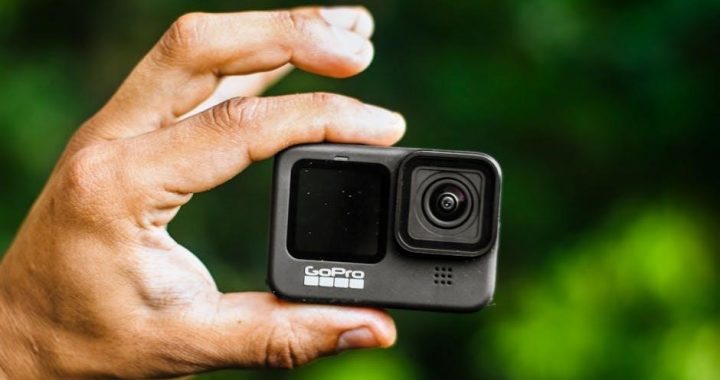
The Car DVR 1080p is a high-definition digital video recorder designed for vehicle use․ It offers crisp 1080p video recording, G-Sensor for emergency situations, parking mode for 24/7 monitoring, and HDMI output for playback․ This device is a must-have for drivers seeking reliable, high-quality video capture and enhanced safety features․

1․2 Importance of Reading the Manual

Reading this manual is crucial to understanding the Car DVR 1080p’s features, proper installation, and troubleshooting․ It provides detailed guidance on optimizing video quality, using parking mode, and resolving technical issues, ensuring you get the most out of your device while staying informed about its capabilities and limitations․

Key Features of the Car DVR 1080p

The Car DVR 1080p offers high-definition video recording, G-Sensor for emergency situations, parking mode with motion detection, and HDMI output for easy playback․ It ensures crisp video quality, reliable performance, and advanced safety features for drivers․

2․1 High-Definition Video Recording

The Car DVR 1080p captures crystal-clear footage at 1920×1080 resolution, ensuring detailed video quality day and night․ Its advanced sensor enhances low-light performance, while the wide-angle lens provides a broader field of view, making it ideal for capturing every detail on the road for evidence or memory․

2․2 G-Sensor and Emergency Recording

The Car DVR 1080p features a built-in G-Sensor that detects sudden impacts or sharp movements, automatically triggering emergency recording․ This function locks the current video file to prevent overwriting, ensuring crucial evidence is preserved․ It enhances safety and provides peace of mind while driving or in parking mode․

2․3 Parking Mode and Motion Detection

The Car DVR 1080p offers Parking Mode, which monitors your vehicle when stationary․ Motion Detection activates recording when movement is detected, providing 24/7 surveillance․ This feature ensures your car is protected even when parked, offering peace of mind and preserving potential evidence of incidents․

2․4 HDMI Output and Audio Recording

The Car DVR 1080p features an HDMI output, enabling high-quality video playback on larger screens․ It also supports audio recording, capturing clear sound alongside video․ This ensures comprehensive evidence capture and enhances your ability to review incidents in detail, making the DVR a reliable choice for drivers seeking enhanced functionality․

Technical Specifications

The Car DVR 1080p supports HD video recording, compatible with Micro SD cards up to 32GB․ It operates on 5V power and includes HDMI output for video playback․ This section provides detailed specs for optimal performance and connectivity․

3․1 Resolution and Frame Rate

The Car DVR 1080p records at a high-definition resolution of 1920×1080 pixels, ensuring clear and detailed video capture․ It supports a smooth frame rate of 30fps, providing seamless motion recording․ This combination enhances video quality, making it ideal for capturing both daytime and nighttime driving scenes with precision and clarity;

3․2 Storage Capacity and Memory Card Requirements

The Car DVR 1080p supports Micro SD cards with storage capacities up to 32GB (not included)․ For optimal performance, use a Class 10 or higher memory card․ This ensures smooth video recording and playback․ Please format the card before use for compatibility and reliability in capturing high-quality footage․

3․3 Power Requirements and Connectivity Options

The Car DVR 1080p requires a 5V power input, typically provided via a USB cable connected to a cigarette lighter adapter․ It supports HDMI output for video playback and may include additional ports for external connections․ Ensure proper power supply and use compatible cables for reliable performance and connectivity․

Installation and Setup

Mount the DVR securely in your vehicle, typically on the windshield using a suction cup․ Connect the power cable to a USB adapter or cigarette lighter․ Insert a memory card and follow on-screen prompts for initial setup and configuration․

4․1 Mounting the DVR in Your Vehicle

To mount the DVR, attach the suction cup to the windshield․ Ensure a secure hold by cleaning the surface first․ Adjust the angle for optimal view․ Tighten the mount firmly to prevent any movement while driving․ Use the provided adhesive for alternative mounting options if needed․

4․2 Connecting Cables and Power Supply

Insert the Micro SD card into the DVR․ Connect the USB cable to the DVR and plug the other end into your car’s USB port or cigarette lighter adapter․ Ensure the DVR is securely connected to a power source to maintain continuous recording while driving․ This setup ensures reliable power supply for optimal performance․

4․3 Initial Configuration and Settings

Access the settings menu to configure your DVR․ Set the correct date, time, and video quality preferences․ Enable features like G-sensor for emergency recording and motion detection for parking mode․ Adjust sensitivity settings according to your needs․ Save your configuration to ensure all settings are applied correctly for optimal performance․

Operating the Car DVR

Start the DVR by turning on your vehicle․ It will automatically begin recording․ Use the SOS button for emergencies and enable parking mode for 24/7 monitoring․

5․1 Recording Videos While Driving

Start recording by turning on your vehicle, as the DVR powers up automatically․ The device begins capturing video immediately, storing footage on the memory card․ Use the SOS button to save emergency clips manually․ Enable loop recording to overwrite old files when storage is full, ensuring continuous recording while driving․

5․2 Using Parking Mode for 24/7 Monitoring

Enable Parking Mode to monitor your vehicle even when stationary․ The DVR detects motion or impacts, automatically recording and saving clips․ This feature provides 24/7 surveillance, ensuring your car’s safety․ The device switches to low-power mode to conserve battery life while maintaining continuous protection and peace of mind․

5․3 Emergency Recording and SOS Function

The SOS function triggers emergency recording during sudden impacts, capturing crucial evidence․ The DVR’s G-Sensor detects collisions, automatically saving and locking the footage․ This feature enhances safety and provides reliable evidence in case of accidents, ensuring your security on the road․

User Manual Details

This section explains how to navigate and understand your DVR’s interface, customize settings, and access advanced features for enhanced functionality and personalized use․

6․1 Understanding the User Interface

The DVR’s user interface is designed for simplicity and ease of use․ Icons represent key functions like video recording, settings, and playback․ The touchscreen or button controls allow easy navigation through menus, enabling quick access to features such as video review, settings adjustment, and system information․

6․2 Navigating the Menu and Customizing Settings

Use the buttons or touchscreen to navigate through the menu․ Access settings like video resolution, G-Sensor sensitivity, and parking mode․ Customize preferences such as audio recording and loop recording․ Save your configurations to optimize performance․ Refer to the manual for detailed steps on adjusting settings to suit your needs․

6․3 Updating Firmware and Software

Regularly update your Car DVR 1080p’s firmware and software for improved performance and security․ Download updates from the official website, then transfer the files to your device using a micro SD card․ Follow the on-screen instructions to complete the update process․ Ensure your device is fully charged before starting the update․

Tips for Optimal Use

For best results, clean the lens regularly, adjust settings for lighting conditions, and use a high-endurance memory card․ Ensure proper installation and update firmware periodically for optimal performance․

7․1 Ensuring High-Quality Video Recording

Ensure high-quality video by cleaning the lens regularly, adjusting resolution settings, and using a high-endurance memory card․ Properly position the camera for optimal view, avoid direct sunlight glare, and update firmware for improved performance and clarity in recordings․

7․2 Managing Storage and Avoiding Loop Recording Issues

Use a high-quality micro SD card (up to 32GB) and format it regularly to prevent errors․ Enable loop recording to overwrite old files when storage is full․ Adjust settings to balance video quality and storage capacity․ Check available space periodically to avoid interrupted recordings․

7․3 Using HDMI Output for Video Playback

Connect your DVR to a TV or monitor using an HDMI cable for high-quality video playback․ Navigate to the HDMI settings in the menu and select the appropriate output resolution․ This feature allows you to review footage conveniently and share it when needed․ Ensure the cable is securely connected for a stable signal․

Troubleshooting Common Issues

Resolve connectivity problems by checking cable connections and ensuring proper power supply․ Address video quality issues by adjusting settings or formatting the memory card․ Consult the manual for detailed solutions․

8․1 Resolving Connectivity Problems

To resolve connectivity issues, ensure all cables are securely connected and the power supply is stable․ Restart the DVR and check for firmware updates․ If problems persist, format the memory card or consult the manual for further troubleshooting steps to restore functionality․

8․2 Fixing Video Quality and Audio Issues

To improve video quality, ensure proper lighting conditions and clean the lens․ Adjust resolution and frame rate settings if necessary․ For audio issues, check microphone sensitivity and ensure no obstructions․ Update firmware for optimal performance and consult the manual for additional troubleshooting steps to enhance clarity․

8․3 Solving Memory Card and Storage Problems

If your DVR isn’t recognizing the memory card, format it using the device or a PC․ Ensure the card is compatible and meets storage requirements․ If issues persist, replace the card․ Regularly check storage capacity and delete unnecessary files to maintain smooth operation and prevent recording interruptions․

Legal and Safety Considerations

Ensure compliance with local laws regarding dash cam usage․ Check privacy regulations before recording․ Always position the DVR to avoid obstructing your view, and secure it properly for safe operation․

9․1 Dash Cam Legality and Privacy Laws

Research local laws regarding dash cam legality, as some regions restrict recording without consent․ Ensure compliance with privacy laws to avoid legal issues․ Be aware of data protection regulations when capturing or sharing footage․ Always inform passengers if recording audio․

9․2 Using Recorded Footage as Evidence

Footage from your Car DVR 1080p can serve as valuable evidence in legal or insurance matters․ Ensure videos are clear, with time stamps and location data intact․ Store recordings securely to maintain authenticity․ Always check local laws regarding evidence admissibility and proper procedures for submitting footage․

9․3 Safety Tips for Installing and Using the DVR

Ensure the DVR is mounted securely to avoid obstructing your view while driving․ Keep cables organized to prevent tripping hazards․ Use the correct power supply to avoid electrical issues․ Avoid distractions while operating the device․ Regularly check the DVR’s placement and connections for stability and safety․

Frequently Asked Questions

Here are common questions about the Car DVR 1080p, including connectivity, memory card formatting, and troubleshooting power issues․ Find answers to help you resolve issues quickly and effectively․

  • Can I connect the DVR to my smartphone? Yes, via Wi-Fi or a dedicated app․
  • How do I format the memory card? Use the DVR’s menu or a computer․
  • Why won’t the DVR turn on? Check the power supply and connections․

10․1 Can I Connect the DVR to My Smartphone?

Yes, many Car DVR 1080p models support smartphone connectivity via Wi-Fi or a dedicated app․ Connect to the DVR’s Wi-Fi network or download the app to view live footage, transfer videos, or adjust settings remotely․ Ensure your phone and DVR are connected to the same network for seamless pairing․

  • Open the DVR’s Wi-Fi settings․
  • Connect your phone to the DVR’s network․
  • Use the app to access DVR features․

10․2 How Do I Format the Memory Card?

To format the memory card, insert it into your DVR and navigate to the Settings menu․ Select the Format option and confirm․ Alternatively, format the card using your computer, ensuring it’s compatible with the DVR․ Always back up important data before formatting, as it will be erased permanently․

10․3 Why Is My DVR Not Turning On?

Check the power supply and ensure the cable is properly connected․ Verify the power source is functioning․ If issues persist, format the memory card or reset the device․ If the DVR still doesn’t turn on, contact customer support for further assistance or possible repair/replacement options․

Thank you for choosing the Car DVR 1080p․ This manual has guided you through installation, operation, and troubleshooting․ Designed to enhance your driving experience with crystal-clear video quality and advanced features, ensuring your safety and peace of mind on the road․

11․1 Final Thoughts on Using the Car DVR 1080p

Using the Car DVR 1080p enhances your driving experience with high-quality video recording, safety features, and ease of use․ Regularly update firmware, manage storage, and utilize HDMI output for optimal performance․ This device is designed to provide peace of mind and reliability․ For further assistance, refer to the resources provided․

11․2 Resources for Further Assistance

For additional support, visit the official website or download the full Car DVR 1080p manual․ Explore troubleshooting guides, firmware updates, and FAQs․ Contact customer support for personalized help․ Refer to resources like BlackVue or iZEEKER dash cam guides for advanced tips and solutions to enhance your DVR experience․


canon eos1300d manual

The Canon EOS 1300D Manual provides essential guidance for understanding and optimizing camera features, troubleshooting common issues, and accessing detailed resources from Canon’s official website.

1.1 Overview of the Canon EOS 1300D

The Canon EOS 1300D is an entry-level DSLR featuring an 18MP APS-C CMOS sensor and DIGIC 4 image processor. It offers an ISO range of 100-6400, full HD video recording, and compatibility with EF and EF-S lenses. Designed for beginners, it provides user-friendly controls and built-in Wi-Fi/NFC for easy image sharing. The vari-angle LCD screen enhances shooting flexibility. Priced affordably, it’s an ideal choice for those exploring DSLR photography without compromising on essential features.

1.2 Importance of the Manual for Optimal Camera Use

The Canon EOS 1300D manual is crucial for mastering the camera’s features, troubleshooting common errors, and optimizing performance. It provides detailed guidance on initial setup, shooting modes, and maintenance. By understanding the manual, users can resolve issues like “ERR 99,” clean the sensor, and update firmware. It also offers tips for enhancing image quality and utilizing accessories effectively. Whether you’re a beginner or advanced user, the manual ensures you maximize the camera’s potential and capture stunning photos effortlessly.

Key Features and Specifications of the Canon EOS 1300D

The Canon EOS 1300D features an 18MP APS-C CMOS sensor, DIGIC 4 processor, ISO 100-6400 range, and compatibility with EF and EF-S lenses for versatile photography.

2.1 Sensor and Processor Details

The Canon EOS 1300D is equipped with an 18.0-megapixel APS-C CMOS sensor, capturing high-quality images with vibrant colors and sharp details. The sensor works in tandem with the DIGIC 4 image processor, which enhances image processing efficiency, reduces noise, and supports advanced camera functions. This combination ensures excellent performance in various lighting conditions, delivering crisp images even at higher ISO settings. The sensor and processor collaboration enables fast autofocus, smooth operations, and reliable image capture, making it ideal for both casual and professional photography needs.

2.2 ISO Range and Image Quality

The Canon EOS 1300D offers an ISO range of 100-6400, extendable to 12800 for low-light conditions. This range ensures high-quality images with minimal noise, even in challenging lighting. The DIGIC 4 processor optimizes image quality, providing sharp details and rich colors. Whether shooting in bright daylight or dim environments, the camera delivers consistent results, making it versatile for various photography scenarios while maintaining optimal image clarity and detail.

2.3 Lens Compatibility (EF and EF-S Lenses)

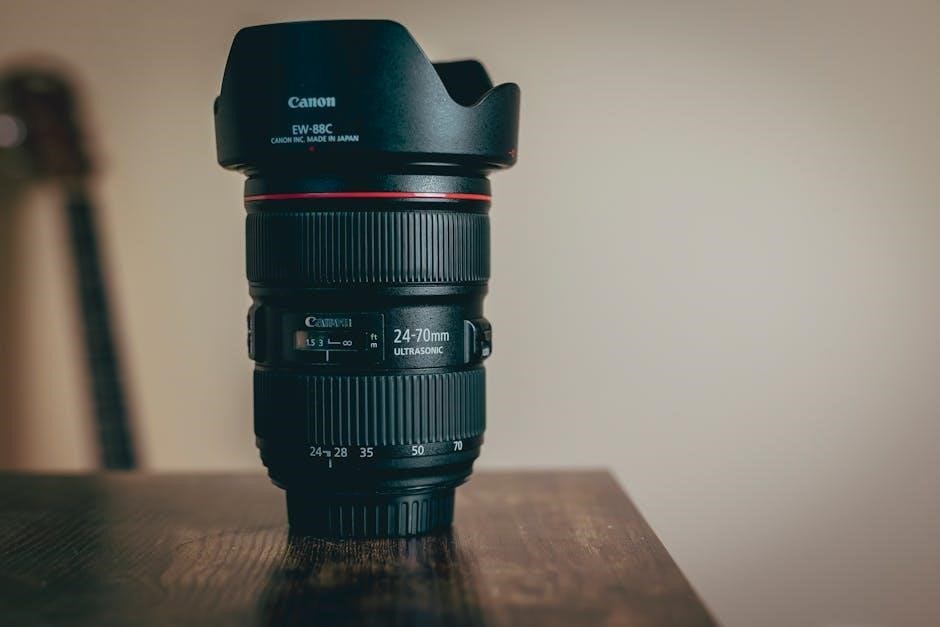
The Canon EOS 1300D is compatible with both EF and EF-S lenses, offering versatility for photographers. EF lenses provide wide-angle to telephoto options, while EF-S lenses are designed for APS-C sensors, delivering enhanced performance. This compatibility allows users to explore various focal lengths and specialized optics, from prime lenses for portraits to zoom lenses for landscapes, ensuring adaptability and creative freedom in different shooting situations and styles.

Navigating the Canon EOS 1300D Manual

The manual offers a comprehensive guide, starting with the basic instruction booklet and detailed PDFs available on Canon’s website, ensuring easy access to all camera functions and settings.

3.1 Understanding the Basic Instruction Manual

The Basic Instruction Manual is a concise guide provided with the Canon EOS 1300D, covering essential camera operations, such as initial setup, shooting modes, and basic functions. It introduces beginners to the camera’s core features, including navigation of the menu system and fundamental photography settings. This manual is designed to help users quickly start using the camera, ensuring a smooth transition from unboxing to capturing their first photos. For more detailed instructions, Canon offers downloadable PDF manuals on their website.

3.2 Accessing Detailed Instruction Manuals (PDF)

For in-depth guidance, Canon provides detailed PDF instruction manuals on their official website. These manuals cover advanced features, troubleshooting, and specific functions of the EOS 1300D. Users can download these resources to explore topics like custom settings, error resolutions, and firmware updates. The PDF manuals are comprehensive and ideal for users seeking detailed technical information. They complement the basic manual, offering a deeper understanding of the camera’s capabilities and ensuring optimal use of its features. Visit Canon’s website to access these valuable resources.

3.3 Downloading Additional Resources from the Canon Website

Canon’s website offers a wealth of additional resources for the EOS 1300D, including firmware updates, software, and detailed guides. Users can download PDF manuals, drivers, and troubleshooting guides to enhance their camera experience. These resources provide in-depth information on advanced features, lens compatibility, and error resolution. Regular firmware updates ensure optimal performance and compatibility with the latest hardware. Visit Canon’s official website to explore and download these resources, ensuring your EOS 1300D operates at its best.

Setting Up and Using the Camera

This section guides you through initial configuration, safety precautions, and basic shooting modes. It also introduces advanced features to help you make the most of your EOS 1300D.

4.1 Initial Configuration and Safety Guidelines

Start by carefully unpacking and inspecting your Canon EOS 1300D. Charge the battery fully before first use. Attach the lens by aligning the EF-S mount, ensuring it clicks securely. Insert a memory card, preferably a high-speed SD/SDHC/SDXC card, into the slot. Power on the camera and follow the on-screen prompts to set language, date, and time. Read safety precautions to avoid damage, such as not exposing the camera to extreme temperatures or moisture. Handle the camera and lens with care to prevent scratches or damage.

4.2 Basic Shooting Modes for Beginners

The Canon EOS 1300D offers several user-friendly shooting modes designed for beginners. The Auto Mode automatically adjusts settings for optimal results. Creative Auto simplifies advanced settings like aperture and shutter speed. Scene modes like Portrait, Landscape, and Night Scene are tailored for specific conditions. These modes allow new photographers to capture high-quality images effortlessly while learning the basics of photography. Use the mode dial to select the appropriate mode for your scene and let the camera handle the rest.

4.3 Advanced Features for Professional Use

The Canon EOS 1300D offers advanced features for professional photographers. Manual Mode (M) allows full control over aperture, shutter speed, and ISO. Aperture Priority (Av) and Shutter Priority (Tv) modes enable precise adjustments while the camera adjusts the other settings. Customizable White Balance and AF settings provide flexibility. The camera also supports RAW image capture for post-processing. These features empower professionals to achieve precise control over their photography, ensuring high-quality results in various shooting conditions.

Maintenance and Troubleshooting

Regularly clean the sensor and camera body to prevent damage. Resolve common errors like ERR 99 by cleaning the sensor or updating firmware. Ensure optimal performance and longevity by following Canon’s maintenance guidelines and troubleshooting tips.

5.1 Cleaning the Sensor and Camera Body

Regular cleaning of the sensor and camera body is crucial for maintaining image quality. Use a soft, dry cloth to wipe the exterior and a hand blower for loose debris. For the sensor, switch to manual cleaning mode, use a swab or blower, and avoid touching the sensor surface. Never use harsh chemicals or abrasive materials. Clean the lens and viewfinder regularly. Follow Canon’s guidelines to prevent damage and ensure optimal performance.

5.2 Resolving Common Errors (e.g., ERR 99)

To address ERR 99 on your Canon EOS 1300D, start by turning the camera off and on. Clean the sensor in manual cleaning mode using a blower or swab. Ensure the lens is properly attached and free of debris. If issues persist, reset the camera to default settings or update the firmware. For recurring errors, download the latest firmware from Canon’s official website and follow installation instructions carefully to restore functionality and prevent future malfunctions.

5.3 Updating Firmware and Software

Regularly updating your Canon EOS 1300D’s firmware and software ensures optimal performance, enhanced features, and bug fixes. Visit Canon’s official website to download the latest versions. Before updating, ensure your camera is fully charged and connected to a stable internet connection. Follow the on-screen instructions carefully to avoid interruptions. After completing the update, restart your camera to apply the changes. Always verify the firmware version matches your camera model to maintain compatibility and functionality.

Compatible Lenses and Accessories

The Canon EOS 1300D supports EF and EF-S lenses, offering versatility for various photography needs. Compatible accessories include flash units and extensions, enhancing functionality and creativity.

6.1 Recommended Prime and Zoom Lenses

The Canon EOS 1300D is compatible with EF and EF-S lenses, offering flexibility for diverse photography needs. Prime lenses like the EF 50mm f/1.8 and EF 85mm f/1.2 are ideal for portraits, delivering sharp focus and a shallow depth of field. Zoom lenses such as the EF-S 18-55mm and EF 70-200mm provide versatility for wide-angle to telephoto shots. These lenses enhance creativity and ensure high-quality images, making them essential for both beginners and professionals. Using genuine Canon lenses guarantees optimal compatibility and performance.

6.2 Using Flash and Other Accessories

The Canon EOS 1300D supports external flash units like the Speedlite 470EX-AI for enhanced lighting control. These flashes provide advanced features such as bounce and wireless modes. Additionally, the camera is compatible with remote controllers and tripods, improving stability for low-light or long-exposure shots. Using genuine Canon accessories ensures optimal performance and compatibility. Always refer to the manual for proper setup and usage guidelines to maximize functionality and avoid potential issues with flash synchronization or accessory operation.

Tips for Getting the Most Out of Your Canon EOS 1300D

Master autofocus settings, experiment with shooting modes, and optimize lighting conditions to enhance image quality. Regularly update firmware and use compatible accessories for improved performance and creativity.

7;1 Mastering Autofocus and Exposure Settings

Mastering autofocus and exposure is crucial for capturing sharp, well-lit images. Use One-Shot AF for stationary subjects and AI Servo AF for moving ones. Adjust ISO sensitivity based on lighting conditions to minimize noise. Experiment with aperture and shutter speed to control depth of field and motion blur. Familiarize yourself with the camera’s metering modes to ensure accurate exposure. Regularly update firmware for improved autofocus performance and compatibility with Canon lenses, ensuring optimal image quality in various shooting scenarios.

7.2 Optimizing Image Capture in Various Lighting Conditions

Mastering lighting conditions is essential for stunning images. In low-light, use higher ISO settings (up to 6400) and image stabilization lenses to reduce noise and blur; For bright conditions, adjust aperture to prevent overexposure. Indoors, utilize built-in flash or external lighting for balanced illumination. Shoot during the golden hour for natural, warm tones. Experiment with white balance settings to enhance colors. Use RAW format for better post-processing flexibility. Familiarize yourself with metering modes to capture detail in high-contrast scenes, ensuring optimal results in any lighting environment.

smartheart blood pressure monitor manual

The Smartheart Blood Pressure Monitor is an innovative, automatic device designed to measure blood pressure and heart rate accurately․ It offers a user-friendly solution for home health monitoring․

Overview of the Device and Its Purpose

The Smartheart Blood Pressure Monitor is an advanced, user-friendly device designed to measure blood pressure and heart rate accurately․ Utilizing the oscillometric method, it provides reliable readings equivalent to those obtained in clinical settings․ Its primary purpose is to enable individuals to monitor their cardiovascular health conveniently at home․ The monitor is equipped with features that ensure accuracy, comfort, and ease of use, making it an essential tool for managing hypertension and maintaining overall well-being․ Regular use helps users track their health trends and make informed lifestyle decisions․

Care and Safety Information

Proper care ensures your Smartheart Blood Pressure Monitor functions accurately and safely․ Avoid exposing it to extreme temperatures, moisture, or physical stress to prevent damage․

Precautions for Proper Use

Always follow these precautions to ensure safe and accurate use of your Smartheart Blood Pressure Monitor․ Avoid using the device near other wireless devices, as this may cause interference․ Keep the monitor at least 12 inches away from other electronic devices during use․ Do not move or bend your arm during measurement, as this can affect accuracy․ Ensure the cuff is properly fitted and positioned correctly on your arm․ Avoid using the monitor in extreme temperatures or humid environments․ Never expose the device to direct sunlight or moisture, as this may damage internal components․ Proper handling ensures reliable performance and longevity of the monitor․

Understanding the Oscillometric Method

The Smartheart Blood Pressure Monitor utilizes the oscillometric method, a non-invasive technique to measure blood pressure․ This method detects blood flow movements through an artery, converting them into digital readings․ Unlike traditional auscultation, which requires a stethoscope, the oscillometric method automatically senses vibrations in the cuff․ These vibrations are analyzed to determine systolic and diastolic pressures, as well as heart rate․ The process is equivalent to professional measurements, making it ideal for home use․ This technology ensures accurate, reliable results without the need for manual intervention, providing a convenient solution for monitoring cardiovascular health․

Types of Smartheart Blood Pressure Monitors

Smartheart offers two models: the 01-553 arm monitor and the 01-556 wrist monitor, each designed for accurate blood pressure measurement․

Model 01-553: Automatic Digital Blood Pressure Arm Monitor

The Smartheart 01-553 is an automatic digital blood pressure arm monitor designed for accurate and reliable readings․ It uses advanced pulse sensors and heat sensors to detect electrical signals from the heart through the skin, providing precise measurements of blood pressure and heart rate․ The monitor is user-friendly, with a clear display and easy-to-use controls․ It is ideal for home use and comes with a comprehensive instruction manual to guide users through setup and operation․ Proper care ensures long-term functionality and accuracy․

Model 01-556: Automatic Digital Wrist Blood Pressure Monitor

The Smartheart 01-556 is an automatic digital wrist blood pressure monitor that utilizes the oscillometric method for precise measurements․ Designed for portability and ease of use, it is ideal for monitoring blood pressure on the go․ The device features advanced sensors to ensure accurate readings and is equipped with a memory function to store previous measurements․ Its compact design and user-friendly interface make it a convenient option for personal health management․ The monitor is accompanied by a detailed manual to guide users through its operation and maintenance․

Key Features of the Smartheart Blood Pressure Monitor

The Smartheart Blood Pressure Monitor features advanced pulse and heat sensors for accurate readings, wireless connectivity for data sharing, and a memory function to track measurements over time․

Advanced Pulse Sensors and Heat Sensors

The Smartheart Blood Pressure Monitor incorporates cutting-edge technology with advanced pulse sensors and heat sensors․ These sensors detect electrical signals from the heart through the skin, ensuring accurate measurements of blood pressure and heart rate․ The pulse sensors utilize oscillometric methods to capture arterial movements, while heat sensors enhance signal detection for precise readings․ This technology allows for reliable monitoring without the need for manual inflation or stethoscopes, making it ideal for home use․ Regular software updates further optimize performance, ensuring consistent and trustworthy results over time․

Wireless Device Considerations

When using the Smartheart Blood Pressure Monitor, it is crucial to consider wireless device interactions․ The monitor should be kept at least 12 inches away from other wireless devices during operation to avoid signal interference․ This ensures accurate readings and prevents potential errors․ Additionally, the device operates on a specific frequency band, and maintaining this distance helps preserve data integrity․ Regular updates to the monitor’s firmware are also recommended to optimize wireless performance and compatibility, ensuring seamless integration with other health tracking systems and maintaining reliable operation over time․

Setting Up Your Smartheart Blood Pressure Monitor

Start by unpacking and installing the batteries as instructed․ Connect the device to your arm or wrist, ensuring proper fit․ Follow the manual for accurate setup․

Initial Setup and Configuration

Begin by unpacking your Smartheart Blood Pressure Monitor and installing the provided batteries․ Ensure the cuff is correctly positioned on your arm or wrist․ Power on the device and allow it to initialize․ Follow the on-screen instructions to set the date, time, and user profile if applicable․ For wireless models, pair the monitor with your smartphone or tablet using Bluetooth․ Refer to the manual for specific pairing codes or app download details․ Proper setup ensures accurate measurements and seamless connectivity for data tracking․ Always store the device in a dry, cool place when not in use․

Using the Smartheart Blood Pressure Monitor

Using the Smartheart monitor is simple and effective․ Ensure proper cuff placement, sit comfortably, and avoid movement․ Power on the device and follow the on-screen prompts for accurate results․

Step-by-Step Guide to Measuring Blood Pressure

  1. Sit comfortably with your back straight and feet flat on the floor․
  2. Ensure the cuff is appropriately sized for your arm or wrist․
  3. Place the cuff correctly, following the guide marks provided․
  4. Power on the monitor and wait for the display to initialize․
  5. Remain still and avoid talking during measurement․
  6. Press the start button to begin the reading process․
  7. The cuff will inflate automatically; stay calm until it deflates․
  8. Your blood pressure and heart rate will appear on the screen․
  9. Record your results for future reference or tracking․

Maintenance and Care

Regularly clean the device with a soft cloth and store it in a dry place․ Avoid extreme temperatures and humidity to ensure optimal performance and longevity․

Proper Storage and Handling

To maintain the performance and longevity of your Smartheart Blood Pressure Monitor, proper storage and handling are essential․ Store the device in its original packaging or a protective case to prevent damage․ Keep it in a cool, dry place, away from direct sunlight and moisture․ Avoid submerging the monitor in water or exposing it to extreme temperatures․ Handle the cuff with care to prevent stretching or creasing․ Clean the device regularly with a soft, dry cloth, avoiding harsh chemicals․ Ensure the storage area is free from pests or dampness for optimal preservation․ Always keep the monitor out of reach of children․

Troubleshooting Common Issues

Check for proper cuff placement, ensure batteries are charged, and restart the device if readings are inconsistent․ Refer to the manual for error code solutions․

Resolving Errors and Ensuring Accuracy

If your Smartheart Blood Pressure Monitor displays an error code, refer to the manual for specific solutions․ Common issues include improper cuff placement, low battery, or incorrect operation․ Ensure the cuff is snug and properly positioned․ If readings are inconsistent, restart the device and retry․ For persistent inaccuracies, recalibrate the monitor according to the instructions․ Regularly check the battery level and replace them as needed․ Always follow the manual’s guidelines to maintain accuracy and resolve issues effectively․ Proper troubleshooting ensures reliable blood pressure measurements and extends the device’s lifespan․

Accessories and Additional Resources

Explore the range of Smartheart Blood Pressure Monitor accessories, including carrying cases and extra cuffs․ Visit the official website for user manuals, FAQs, and support․

Available Manuals and User Guides

Access comprehensive manuals for Smartheart Blood Pressure Monitors online․ Models like 01-553 and 01-556 have downloadable PDF guides detailing setup, usage, and troubleshooting․ These resources ensure optimal device performance and user understanding․ Visit the official website or trusted databases for the latest versions․ Quick start guides are also available for initial setup assistance․ Proper use of these resources guarantees accurate blood pressure readings and extends the monitor’s longevity․ Always refer to the manual for specific model instructions and safety precautions․

honeywell th6210u2001 user manual

The Honeywell TH6210U2001 is a programmable thermostat designed for precise temperature control and energy efficiency. It features a backlit display, easy scheduling, and compatibility with various HVAC systems, ideal for home comfort management.

1.1 Key Features and Benefits

The Honeywell TH6210U2001 offers a backlit display for easy readability, programmable temperature scheduling, and compatibility with heat, cool, and heat pump systems. Its energy-saving design helps reduce utility bills. The thermostat features a lock screen to prevent unauthorized changes and a simple interface for intuitive control. It supports both 5-1-1 and 5-2 day schedules, allowing users to customize comfort settings. The device is built with high-quality materials, ensuring durability and reliability. Its contemporary style blends seamlessly with home décor, making it both functional and aesthetically pleasing. These features make it an ideal choice for homeowners seeking efficient temperature management.

1.2 Compatibility and System Requirements

The Honeywell TH6210U2001 is compatible with most HVAC systems, including gas, oil, electric, and heat pumps. It requires a C-wire for proper functionality, ensuring reliable performance. The thermostat supports 24V systems and works with single-stage or multi-stage heating and cooling units. It is designed to integrate seamlessly with existing wiring configurations. Compatibility checks should be performed before installation to ensure smooth operation. The device’s versatility makes it suitable for a wide range of heating and cooling setups, providing consistent temperature control across various home environments. Proper installation ensures optimal performance and energy efficiency.

Installation and Setup

Installation of the Honeywell TH6210U2001 is straightforward, requiring proper wiring and mounting. Ensure compatibility and follow step-by-step instructions for a seamless setup process.

2.1 Compatibility Check and Wiring Requirements

Before installing the Honeywell TH6210U2001, ensure your HVAC system is compatible with the thermostat. Verify wiring requirements, including the need for a common wire (C-wire) in most systems. Proper wiring is essential for accurate temperature control and advanced features. Check the user manual for specific compatibility guidelines and wiring diagrams. If unsure, consult a professional to avoid installation issues. Proper wiring ensures safe and efficient operation of the thermostat, preventing potential malfunctions or damage to your system. Always refer to the manual for detailed instructions tailored to your setup.

2.2 Step-by-Step Mounting and Connection Process

Mounting the Honeywell TH6210U2001 begins with attaching the wall anchors using the provided installation kit. Turn off power to your HVAC system for safety. Remove the old thermostat and mark the wall for drilling. Install the base plate and connect the wires according to the labels in the manual. Secure the thermostat to the base plate and restore power. Ensure all connections are tight and properly labeled for reliable operation. Follow the on-screen prompts to complete the setup process. Always refer to the user manual for specific wiring diagrams and instructions tailored to your system.

Programming the Thermostat

The Honeywell TH6210U2001 allows users to set temperature schedules effortlessly, ensuring comfort and energy efficiency. Its intuitive interface makes programming simple for any time of day.

3.1 Setting Temperature Schedules

The Honeywell TH6210U2001 allows users to set temperature schedules for up to 7 days, providing flexibility and energy efficiency. Access the menu, select the day(s), and choose the desired temperature for morning, day, evening, and night periods. Use the arrows to adjust settings, ensuring comfort throughout the day. This feature helps optimize energy usage by automating temperature adjustments when you’re asleep or away. Save your preferences to maintain consistent comfort without manual adjustments. This programmable thermostat is designed to simplify temperature management while reducing energy costs.

3.2 Switching Between Heat and Cool Modes

To switch between heat and cool modes on the Honeywell TH6210U2001, access the thermostat menu. Use the arrows to navigate to the “System” or “Mode” option. Select either “Heat” or “Cool” based on your preference. Ensure your HVAC system is compatible with the selected mode and properly wired. After choosing the mode, adjust the temperature using the arrows. The thermostat will activate the corresponding system to maintain the set temperature. Always verify system compatibility before switching modes to avoid operational issues. Proper mode selection ensures efficient heating or cooling performance throughout the year.

Operation Modes and Features

The Honeywell TH6210U2001 offers multiple operation modes, including Heat, Cool, and Off, ensuring flexible temperature control. Features like the backlit display, scheduling, and energy-saving modes enhance user convenience and efficiency.

4.1 Using the Hold Feature for Permanent Temperature Settings

The Hold feature on the Honeywell TH6210U2001 allows users to override the programmed schedule, maintaining a permanent temperature setting. To activate, press and hold the “Hold” button until the display confirms the setting. This feature is ideal for consistent comfort without recurring adjustments. The thermostat will retain this temperature indefinitely until another change is made, providing convenience for users who prefer a steady environment. Ensure the system is compatible with your HVAC setup for optimal performance.

4.2 Locking and Unlocking the Thermostat Screen

The Honeywell TH6210U2001 thermostat features a screen lock to prevent accidental changes. To lock, press and hold the “Menu” and “Down” buttons simultaneously for 5 seconds. A 4-digit PIN is required to unlock. If you forget the PIN, contact Honeywell support for assistance. The screen will remain locked until the correct PIN is entered, ensuring settings stay secure. This feature is useful for maintaining consistent temperatures without unwanted adjustments. Note that the thermostat must be installed correctly and the system compatible for this feature to function properly.

Maintenance and Troubleshooting

Regularly clean the thermostat screen and check wiring connections. Common issues include sensor malfunctions or incorrect settings. Resetting the thermostat by removing batteries or reversing them temporarily can resolve many problems.

5.1 Common Issues and Solutions

A common issue with the Honeywell TH6210U2001 is temperature sensor malfunction, indicated by incorrect readings. To resolve, ensure the sensor is clean and properly calibrated. Another issue is unresponsiveness, which can be fixed by resetting the thermostat. Additionally, wiring problems may cause the system to malfunction; check connections to ensure they are secure. If the display is unlit, verify battery installation or wiring connections. For persistent issues, refer to the user manual or contact Honeywell support for further assistance.

5.2 Resetting the Thermostat

To reset the Honeywell TH6210U2001, remove the batteries and insert them backwards for five seconds. This will reset the thermostat without losing settings. Alternatively, pull the thermostat from its base and wait for 30 seconds before reconnecting. This ensures a complete system reset. If issues persist, refer to the manual or contact Honeywell support for further assistance. Resetting can resolve unresponsiveness or incorrect temperature readings. Always ensure proper wiring after resetting to maintain functionality.

Accessing the User Manual and Support

Download the Honeywell TH6210U2001 manual from the official Honeywell website or contact their support team for assistance with troubleshooting, installation, or replacement information.

6.1 Downloading the Honeywell TH6210U2001 Manual

To access the Honeywell TH6210U2001 manual, visit the official Honeywell website. Navigate to the support section and search for your model number. Download the PDF version for easy printing or digital reference. The manual provides detailed instructions for installation, programming, and troubleshooting. It also includes diagrams and specifications to ensure proper setup and operation. Regularly check for updates to ensure you have the latest version. This resource is essential for maximizing the thermostat’s features and resolving any issues quickly.

6.2 Contacting Honeywell Support for Assistance

For assistance with the Honeywell TH6210U2001, visit the official Honeywell website and navigate to the “Support” section. Use the “Contact Us” form or call the customer service hotline. Provide your model number and a detailed description of your issue. You can also access troubleshooting guides and FAQs on their website. Honeywell support is available to help with installation, programming, or resolving technical issues. Ensure you have your thermostat’s serial number ready for faster assistance. Representatives are trained to address concerns efficiently, ensuring your thermostat operates optimally.

ostaszewski manual

The Ostaszewski Manual is a comprehensive guide designed to enhance search skills and improve research efficiency. It offers practical strategies for effective online searches, catering to both beginners and advanced users.

1.1 Overview of the Manual

The Ostaszewski Manual provides a detailed framework for mastering online research and search techniques. It covers essential strategies for effective keyword selection, database navigation, and troubleshooting common search challenges. The manual emphasizes practical applications, such as solving math problems, using weather and dictionary functions, and image recognition. By focusing on efficiency and precision, it helps users streamline their research process and locate relevant information quickly. This guide is tailored for both academic and general-purpose searches, ensuring comprehensive coverage of search methodologies.

1.2 Historical Background

The Ostaszewski Manual was developed to address the growing need for efficient online research strategies. Created by experts, it aims to simplify complex search processes and enhance productivity. Over time, the manual has evolved to incorporate user feedback and advancements in search technology. Its historical development reflects the increasing importance of precise and effective information retrieval in both academic and professional settings, making it a valuable resource for learners and researchers alike.

1.3 Key Features and Objectives

The Ostaszewski Manual emphasizes practical strategies for improving search efficiency and accuracy. Its key features include structured approaches to keyword selection, advanced search operators, and techniques for refining results. The primary objective is to empower users with skills to locate precise information quickly. By focusing on clarity and effectiveness, the manual aims to enhance research outcomes for both academic and professional purposes, ensuring users can navigate complex databases with confidence and precision.

Search Strategies for Effective Research

The Ostaszewski Manual outlines practical search strategies, including advanced operators and keyword optimization, to refine research processes and enhance information retrieval efficiency.

2.1 Basic Search Techniques

Basic search techniques involve using keywords and phrases to locate relevant information efficiently. Start with broad terms related to your topic, then refine searches by adding specificity. Utilize operators like quotes for exact phrases and explore features like math problem-solving or weather checks. This foundational approach ensures effective information retrieval, forming the basis for more advanced strategies.

2.2 Advanced Search Operators

Advanced search operators enhance precision by refining queries. Use the vertical bar (|) to search for multiple terms, ensuring results include either term. Exclude irrelevant content with a minus (-) sign. Quotation marks (“”) enforce exact phrase matching. These tools help filter noise, targeting specific information efficiently. They are especially useful for academic and technical searches, ensuring results align closely with user intent and requirements. Mastering these operators boosts search efficacy significantly.

2.3 Utilizing Quotation Marks for Exact Phrases

Using quotation marks around phrases ensures exact matches in search results. This technique is invaluable for precise information retrieval. By enclosing phrases in quotes, users can avoid irrelevant results and focus on specific content. For example, searching for “climate change impacts” yields targeted articles. This method is particularly useful for academic research, ensuring accuracy and reducing search time. It helps in pinpointing exact phrases, making it a powerful tool for focused inquiries.

Google Search Optimization

Google Search Optimization focuses on maximizing search efficiency through advanced techniques and tools. It enables users to solve math problems, check weather, and perform dictionary lookups directly in the search bar, enhancing productivity and streamlining information retrieval.

3.1 Mastering Google’s Search Capabilities

Mastering Google’s search capabilities involves leveraging advanced operators and features to refine results. Techniques like using quotes for exact phrases, the vertical bar for multiple terms, and excluding irrelevant words enhance precision. Additionally, Google can solve math problems, provide weather updates, and define words, making it a versatile tool for efficient information retrieval and problem-solving. These features streamline searches, saving time and improving accuracy for users.

3.2 Using the Vertical Bar for Multiple Terms

The vertical bar operator allows users to search for content containing either of two or more terms. This is particularly useful when looking for information that might be described using different phrases or synonyms. By entering terms separated by a vertical bar, Google retrieves results that include any of the specified words, broadening the search scope and ensuring comprehensive results without missing relevant information. This technique is especially handy for exploring topics with varying terminology.

3.3 Excluding Irrelevant Terms

To refine search results and exclude unwanted information, the Ostaszewski Manual emphasizes using specific operators. By placing a minus sign (-) before a term, users can eliminate irrelevant content. For example, searching “psychology -sports” excludes results about sports; This technique enhances search precision, ensuring focus on the desired topic and improving overall research efficiency. It is particularly useful for academic or technical searches where clarity and accuracy are essential. This method saves time by filtering out unrelated data.

Academic and Database Searching

The Ostaszewski Manual guides users in navigating academic databases, emphasizing keyword and subject searches for precise results. It ensures efficient access to relevant scholarly articles and resources.

4.1 Navigating Database Search Engines

Navigating database search engines requires strategic use of keywords and filters. The Ostaszewski Manual teaches users to refine searches by applying Boolean operators and leveraging advanced features like thesaurus tools. This ensures precise results, saving time and enhancing research efficiency. By mastering these techniques, users can effectively locate relevant academic articles and resources within vast databases.

4.2 Effective Use of Keywords and Subject Searches

The Ostaszewski Manual emphasizes creating a list of keywords and subject terms to refine database searches. Users are advised to extract terms directly from their assignments or topics. Specific nouns and phrases yield better results. Clarifying ambiguous terms, such as “depression,” by adding context like “mental health,” improves precision. Combining keywords with Boolean operators or OR statements expands search scope, ensuring comprehensive results without redundancy.

4.3 Thesaurus Integration for Precision

The Ostaszewski Manual highlights the importance of using a thesaurus to enhance search precision. By exploring synonyms, antonyms, and related terms, users can broaden or narrow their searches effectively. This tool aids in identifying alternative keywords, ensuring comprehensive coverage of a topic. The integration of thesaurus features helps refine search strategies, making it easier to locate relevant information in databases and improving overall research efficiency. This approach ensures more accurate and targeted results.

Practical Applications of the Manual

The Ostaszewski Manual offers practical tools for real-world tasks, such as solving math problems, checking weather, and dictionary functions, enhancing everyday efficiency and accuracy.

  • Solve math equations directly in search bars.
  • Access weather forecasts by location.
  • Define words instantly for quick reference.

5.1 Solving Math Problems with Search Engines

The Ostaszewski Manual highlights how search engines can directly solve math problems by entering equations into the search bar. For instance, typing “34.92 x 0.2” or “20 of 34.92” quickly provides results, making it ideal for calculations like tip computations. Additionally, search engines can handle complex math, including algebra and graphing, offering visualization for functions. This feature streamlines problem-solving, eliminating the need for separate calculators and enhancing efficiency in both simple and advanced mathematical tasks.

5.2 Weather and Dictionary Functions

The Ostaszewski Manual explains how search engines can instantly provide weather updates by typing “weather” or a city name, such as “weather Seattle.” Additionally, users can access dictionary definitions by prefixing words with “define,” offering quick access to meanings and context. These functions enhance productivity, allowing users to find real-time weather information or define terms without leaving the search engine, making it a versatile tool for everyday needs and academic research.

5.3 Image Recognition and Search

The Ostaszewski Manual highlights the use of Google Lens for image recognition. Users can upload photos, take new ones, or paste URLs into the search bar. By tapping the Google Lens icon, the engine identifies objects, people, or scenes within images. This feature aids in finding related information or similar visuals. Additionally, users can crop images to focus on specific areas, making it a powerful tool for both casual and academic research purposes. This enhances visual search accuracy and convenience significantly.

Academic Writing and Support

The Ostaszewski Manual emphasizes the importance of academic support resources like Western Technical College’s Learning Commons, which offers library and academic services both on-campus and online. Licensed under Creative Commons, it provides accessible tools for research and writing, aiding students in achieving academic success.

6.1 Western Technical College’s Learning Commons

Western Technical College’s Learning Commons provides comprehensive academic support services, both on-campus and online. It serves as a central hub for students, offering access to library resources, tutoring, and research assistance. The Learning Commons is dedicated to fostering academic success, ensuring students have the tools and guidance needed to excel in their studies. Its services are tailored to meet diverse student needs, promoting a supportive and inclusive learning environment.

6.2 Creating Effective Search Term Lists

Creating effective search term lists involves identifying key words and phrases related to your topic. Start by brainstorming nouns, subject headings, and synonyms. Use specific terms to narrow your search and avoid broad results. For example, instead of “depression,” use “mental health depression” for clarity. Combine terms using Boolean operators like “AND” or “OR” to refine results. This strategy ensures precise and relevant information retrieval, enhancing research efficiency and accuracy.

6.4 Combining Multiple Search Terms

Combining multiple search terms enhances precision and efficiency in research. Use Boolean operators like “AND,” “OR,” and “NOT” to connect terms. For instance, searching “narcissistic OR borderline personality disorders” retrieves results for either term. This method saves time by broadening or narrowing search scopes. Additionally, employing advanced operators such as quotation marks for exact phrases or the vertical bar for multiple terms ensures more accurate and relevant results, streamlining the research process effectively.

Troubleshooting and Refinement

Troubleshooting and refinement are crucial for effective searching. Avoid common mistakes, clarify ambiguous terms, and use precise language to improve search accuracy and efficiency.

7.1 Avoiding Common Search Mistakes

Avoiding common search mistakes is essential for effective research. These include using overly broad terms, neglecting advanced operators, and ignoring quotation marks for exact phrases. Overly broad terms yield too many irrelevant results, while failing to use operators like the vertical bar or exclusion symbols can miss critical information. Additionally, not clarifying ambiguous terms may lead to unrelated content. Recognizing these pitfalls helps refine searches, ensuring more precise and relevant outcomes, enhancing overall efficiency.

7.2 Clarifying Search Terms for Precision

Clarifying search terms is crucial for precision in research. Ambiguous terms like “depression” can refer to mental health or economic periods, so adding modifiers like “mental health” narrows results. Using specific keywords and phrases ensures relevance. For example, combining “narcissistic” and “borderline personality disorder” with “OR” retrieves targeted information. This strategy refines searches, reducing irrelevant content and enhancing the quality of results, aligning with the Ostaszewski Manual’s emphasis on efficient and accurate information retrieval.

7.3 Handling Ambiguous Terms

Ambiguous terms can lead to broad or irrelevant search results. The Ostaszewski Manual suggests refining such terms by adding context or modifiers. For example, “depression” could mean mental health or economic downturns. By specifying “mental health depression” or “Great Depression,” searches become more precise. Additionally, using advanced operators like quotes for exact phrases or OR for related terms helps narrow results. This technique ensures searches yield relevant, focused information, enhancing research efficiency and accuracy.

The Ostaszewski Manual empowers users with advanced search techniques, ensuring efficient and precise results. Its strategies enhance research capabilities, making it an invaluable resource for future academic and professional applications.

8.1 Summary of Key Concepts

The Ostaszewski Manual provides a structured approach to mastering search techniques, database navigation, and practical applications. It emphasizes the importance of precise search terms, advanced operators, and tools like thesaurus integration. The manual also covers troubleshooting strategies to refine results and avoid common mistakes. By bridging the gap between theory and practice, it equips users with the skills to efficiently locate relevant information, enhancing their research and problem-solving capabilities.

8.2 Future Applications and Development

The Ostaszewski Manual is poised for expansion into emerging technologies like AI-driven search tools and advanced image recognition. Future updates may incorporate real-time data integration and enhanced cross-database compatibility, ensuring it remains a leading resource for researchers. By adapting to technological advancements, the manual will continue to empower users in diverse fields, from academia to professional sectors, fostering innovation and efficiency in information retrieval and application.

skmei watch manual

Welcome to the Skmei Watch Manual! This guide helps you understand and operate your Skmei watch effectively, covering setup, features, troubleshooting, and maintenance tips.

1.1 Importance of the User Manual

The user manual is essential for understanding your Skmei watch’s features, troubleshooting issues, and ensuring proper maintenance. It provides detailed instructions tailored to your specific model, helping you maximize functionality and longevity. Referencing the manual ensures you can resolve common problems and customize settings effectively, making it a vital resource for optimal use.

1.2 How to Find the Manual Online

Finding the Skmei watch manual online is straightforward. Visit the official Skmei website or authorized retailers like Amazon. Search using your watch model number, such as “Skmei 1483 manual,” to locate the PDF. Ensure you download from trusted sources to avoid unauthorized versions. If unavailable, check forums or support pages for user-shared documents or contact Skmei customer support directly.

Understanding Your Skmei Watch

Discover the key features and components of your Skmei watch, designed for functionality and style. Refer to your manual for detailed guidance on its operation and care.

2.1 Key Features of Skmei Watches

Skmei watches are known for their digital displays, multiple time zones, and customizable settings. They often include features like alarm functions, stopwatch modes, and adjustable brightness for optimal use. Additionally, models such as the Skmei 1483 offer specific functionalities that enhance user experience, making them versatile for various lifestyles and preferences. Refer to your manual for model-specific details.

2.2 Basic Components of the Watch

Your Skmei watch typically includes a digital display, buttons for navigation (A and B), and an adjustable strap. The display shows time, date, and mode information, while the buttons allow you to cycle through features. The strap ensures a secure fit, and the watch casing houses the internal mechanisms. These components work together to provide a user-friendly experience tailored to your needs.

Setting Up Your Skmei Watch

Start by setting the time, date, and time zone. Use the buttons to navigate through modes and adjust settings according to your preferences for optimal functionality.

3.1 Setting the Time and Date

To set the time and date on your Skmei watch, press and hold the A key until the year starts flashing. Use the B key to adjust the year, month, and date. Once set, press the A key again to confirm. Ensure accuracy for proper functionality. Refer to the manual for detailed step-by-step instructions.

3.2 Adjusting the Time Zone

To adjust the time zone on your Skmei watch, press the B key twice to enter the time zone mode. Use the C key to select your desired time zone or country code. Ensure the correct zone is highlighted before saving. This feature ensures accurate timekeeping while traveling. Refer to your manual for specific instructions tailored to your Skmei model for optimal results.

Operating Modes of the Skmei Watch

Explore the various operating modes of your Skmei watch, including Normal Time Mode and Special Features, to maximize functionality and user experience. Learn how to switch between modes seamlessly for different activities and preferences. This section helps you understand the diverse operations your watch offers, ensuring optimal use in everyday life.

4.1 Normal Time Mode

In Normal Time Mode, your Skmei watch displays the current time and date. To access this mode, press the B key twice until ‘TIME’ appears. This mode is ideal for everyday use, providing a clear view of essential timekeeping functions. Use the A key to set or adjust the time and date settings as needed for accurate timekeeping. This mode ensures simplicity and convenience for daily wear.

4.2 Special Features and Functions

Your Skmei watch offers additional functions beyond timekeeping, such as alarms, stopwatches, and timers. Press the B key to cycle through modes and access these features. The stopwatch allows precise timing, while alarms help remind you of important events. Some models also include a timer for interval tracking. Explore these features to maximize your watch’s functionality for sports, work, or daily activities. Refer to your manual for specific button combinations to activate these modes.

Troubleshooting Common Issues

Resolve issues like incorrect time settings or battery drain by restarting your watch or checking for debris. Consult the manual for detailed solutions to ensure optimal performance.

5.1 Resolving Time Setting Problems

If your Skmei watch shows the wrong time, restart it by pressing and holding the reset button. Ensure the time zone matches your location. If issues persist, sync manually by pressing A key to access settings. Refer to the manual for specific instructions tailored to your model. Proper synchronization ensures accurate timekeeping and optimal functionality. Always check for debris or damage that may affect performance. Regular maintenance and correct button usage are key to resolving time-related issues effectively. By following these steps, you can restore your watch to precise timekeeping instantly.

5.2 Addressing Battery and Power Issues

If your Skmei watch has a blank screen or stops functioning, it may indicate a low battery. Replace the battery by carefully opening the back case, ensuring no moisture enters. Use a compatible replacement battery and secure the case tightly. Avoid touching internal components to prevent damage. If issues persist, consult the manual or contact a professional. Proper battery replacement ensures optimal performance and extends the watch’s lifespan. Always verify the battery type specified for your model to maintain functionality. If unsure, refer to the user manual for detailed instructions or seek assistance from a certified technician. This will help prevent any further complications and ensure your watch operates smoothly. Regular checks can help identify battery-related problems early, preventing sudden malfunctions. By following these steps, you can resolve power issues effectively and keep your Skmei watch running accurately. Remember, improper handling can cause permanent damage, so proceed with caution. If the watch still doesn’t power on after replacement, check for any debris or corrosion on the battery contacts and clean them gently. This simple step often resolves unexpected power issues. Always store spare batteries in a cool, dry place to maintain their effectiveness. For models with rechargeable batteries, ensure the charging cable is securely connected and the watch is fully charged before use. If you notice any swelling or leakage, discontinue use and replace the battery immediately to prevent further damage. Keep in mind that extreme temperatures can affect battery performance, so store your watch in a stable environment. If you’re unsure about any step, consult the manual or contact customer support for guidance. Proper care and maintenance will ensure your Skmei watch remains reliable and functional for years to come. By addressing battery issues promptly and correctly, you can enjoy uninterrupted timekeeping and other features of your watch. Always prioritize using high-quality batteries to maintain the performance and longevity of your device. If your watch has a battery-saving mode, enable it to extend battery life during periods of inactivity. This feature is especially useful for travelers or those who don’t wear their watch frequently. For older models, consider upgrading to a newer version with improved battery technology for better performance. Regularly updating your watch’s software, if applicable, can also enhance battery efficiency and overall functionality. By taking these precautions, you can enjoy a seamless experience with your Skmei watch and address any battery-related concerns effectively. Remember, a well-maintained watch not only lasts longer but also provides accurate and reliable service. If you’re still experiencing issues after following these steps, it may be time to consult a professional technician who specializes in watch repairs. They can diagnose and resolve complex problems that may not be covered in the user manual. Additionally, some models may require specific tools or expertise for battery replacement, so don’t hesitate to seek help if needed. Your watch is a valuable timepiece, and proper care ensures it continues to serve you well. Always keep your manual handy for quick reference and guidance on routine maintenance. If you’ve misplaced your manual, download a digital copy from the official Skmei website or authorized retailers. This ensures you have access to the most accurate and up-to-date instructions for your specific model. By staying informed and proactive, you can address battery and power issues before they become major problems. Enjoy the convenience and style of your Skmei watch with peace of mind, knowing you’re equipped to handle any situation that arises. Remember, a little care goes a long way in preserving the performance and appearance of your timepiece. For any unexpected issues, don’t hesitate to reach out to Skmei’s customer support team for assistance. They are trained to provide solutions tailored to your watch model and ensure your experience with their products remains positive. In summary, addressing battery and power issues on your Skmei watch is straightforward when you follow the right steps and seek help when needed. Keep your watch in great condition and enjoy its features without interruption. Happy timekeeping!

Maintenance and Care Tips

Regularly clean your Skmei watch with a soft cloth to prevent dust buildup. Protect it from moisture and extreme temperatures to maintain accuracy and longevity. Store it in a cool, dry place when not in use.

6.1 Cleaning and Protecting the Watch

Keep your Skmei watch clean by gently wiping it with a soft, dry cloth. Avoid using harsh chemicals or abrasive materials that could damage the finish. For leather straps, use a damp cloth sparingly to prevent moisture buildup. Regular cleaning prevents dust and dirt from affecting performance. Store the watch in a cool, dry place to protect it from extreme temperatures and humidity.

6.2 Replacing the Battery Safely

To replace the battery, first ensure the watch is turned off to avoid power surges. Carefully open the back case using a specialized tool to prevent damage. Gently disconnect the old battery and insert the new one, ensuring proper alignment. Reassemble the watch and test its functionality. Always use a compatible battery and consider consulting a professional for complex models to maintain water resistance and functionality.

Skmei Watch Model-Specific Instructions

Model-specific instructions ensure optimal performance for your Skmei watch, covering unique features and setup requirements for different models to enhance functionality and user experience effectively always.

7.1 Skmei 1483 Watch Manual Highlights

The Skmei 1483 watch manual provides detailed instructions for its unique features, including time zone settings, alarm functions, and LED display. It also covers troubleshooting tips specific to this model, ensuring optimal performance and user satisfaction. The manual is available online as a downloadable PDF, making it easily accessible for users to reference anytime, enhancing their overall experience with the Skmei 1483 watch.

7.2 Unique Features of Popular Models

Popular Skmei models like the 1155 and 1483 boast unique features such as dual time zones, customizable alarms, and LED backlights. The 1155 model, for instance, offers a sleek design and water resistance, while the 1483 includes advanced time-setting options. These features enhance functionality and user experience, making each model stand out with its specific capabilities for different preferences and needs.

Frequently Asked Questions

Explore common queries about Skmei watches, such as time zone issues, battery life, and model-specific features, to resolve issues quickly and effectively.

8.1 Country Code and Time Zone Issues

Users often face challenges with country codes and time zones. Ensure your watch is set to the correct region for accurate timekeeping. If your location isn’t listed, refer to the manual or online resources for alternative codes. Adjusting the time zone may require syncing with a nearby city or updating via settings. Troubleshooting tips are available online to resolve such issues efficiently.

8.2 Common User Queries and Solutions

Users frequently inquire about setting the time, adjusting modes, and resolving battery issues. Solutions include restarting the watch, checking the manual for specific instructions, and ensuring proper battery installation. For mode adjustments, press and hold buttons as indicated. Online forums and FAQs offer additional support for troubleshooting common problems. Regular updates and maintenance can prevent many issues from arising.

Advanced Functions and Customization

Explore advanced features like customizable watch faces and special modes. Learn to tailor settings and activate functions for fitness tracking, alarms, and more.

9.1 Customizing Watch Settings

Customize your Skmei watch by adjusting settings like watch faces, time zones, and alarm tones. Use the menu to personalize features such as display brightness and language preferences. Ensure your watch is tailored to your lifestyle for optimal functionality and user experience.

9.2 Using Special Modes Effectively

Special modes on your Skmei watch, such as Stopwatch, Timer, and Alarm, enhance functionality. Access these modes by pressing the corresponding buttons or navigating through the menu. Properly using these features ensures you maximize your watch’s capabilities and enjoy a seamless user experience tailored to your needs.

10.1 Summary of Key Points

Key points include understanding watch features, proper setup, and maintenance. Refer to the manual for model-specific instructions and troubleshooting. Regular cleaning and battery care extend longevity. For issues, consult FAQs or online resources. Customization and special modes enhance functionality. Always follow guidelines for optimal performance and user satisfaction with your Skmei watch.

10.2 Final Tips for Optimal Use

Regularly update your watch software and clean the screen for clarity. Use special modes wisely to conserve battery. Store the watch in a cool, dry place when not in use. Always refer to the manual for model-specific guidance. By following these tips, you’ll ensure your Skmei watch performs optimally and lasts longer, providing reliable service for years to come.

omron bp786 manual

Welcome to the Omron BP786 Blood Pressure Monitor, a wireless, upper arm device using the oscillometric method for accurate readings․ This guide provides essential setup and usage instructions․

1․1 Overview of the Device

The Omron BP786 is a wireless, upper arm blood pressure monitor designed for accuracy and convenience․ It features advanced oscillometric technology to measure systolic, diastolic, and heart rate․ The device includes a ComFit cuff for comfort, storing up to 200 readings for two users․ It also supports data transfer to the Omron Wellness App via Bluetooth․ The monitor comes with an AC adapter, quick guide, and instruction manual, ensuring easy setup and operation for home use․

1․2 Importance of the Manual for Users

The manual is essential for understanding the Omron BP786’s features, operation, and maintenance․ It provides step-by-step guidance for setup, usage, and troubleshooting, ensuring accurate readings and proper device care․ The manual also explains how to interpret data, store readings, and transfer information to the Omron Wellness App․ By following the instructions, users can maximize the monitor’s functionality, resolve common issues, and maintain its performance over time, making it a vital resource for optimal use and health monitoring․

Key Features of the Omron BP786

The Omron BP786 features wireless connectivity, upper arm measurement, and storage for multiple users․ It uses the oscillometric method for accurate blood pressure readings and connects to the Omron Wellness App for data transfer․ Designed for convenience and precision, it offers advanced monitoring capabilities and user-friendly functionality, making it an ideal choice for home use․

2․1 Wireless Connectivity and Upper Arm Measurement

The Omron BP786 offers seamless wireless connectivity, enabling easy data transfer to the Omron Wellness App․ Designed for upper arm use, it ensures accurate blood pressure readings․ The device supports multiple users, storing their data separately․ Its advanced oscillometric technology provides reliable measurements․ The ComFit cuff enhances comfort and accuracy․ This feature-rich monitor is ideal for tracking health metrics conveniently, with results synced directly to your smartphone for ongoing monitoring and analysis․ It combines innovation with user-friendly design for optimal performance․

2․2 Storage Capacity for Multiple Users

The Omron BP786 allows storage of blood pressure readings for multiple users, with each user’s data kept separate for clarity․ It supports up to two users, storing their readings internally․ The device ensures organized tracking of health metrics, with results easily accessible for review․ This feature is ideal for shared use in households, providing personalized monitoring for each user․ The stored data can be synced with the Omron Wellness App, enabling detailed analysis and long-term health tracking․ This capability makes it a practical choice for families or shared living situations․

2․3 Oscillometric Method of Blood Pressure Measurement

The Omron BP786 employs the oscillometric method, a non-invasive technique for measuring blood pressure․ This method uses cuff inflation to detect pulse oscillations, calculating systolic and diastolic pressures․ It ensures accurate readings without the need for manual calculations․ The device automatically processes these oscillations, providing reliable results․ This technology is widely used in medical settings for its precision and ease of use, making it a trusted choice for home monitoring․ The BP786’s use of this method enhances user confidence in the accuracy of their readings․

How to Use the Omron BP786

The Omron BP786 is easy to use, with a pre-attached cuff and intuitive interface․ Simply wrap the cuff, press start, and let the device measure your blood pressure accurately․

3․1 Preparing the Device for First Use

Before first use, ensure all components are included: monitor, cuff, quick guide, and instruction manual․ Insert the batteries or connect the AC adapter․ Set the date and time as instructed in the manual․ Familiarize yourself with the device’s parts, such as the cuff, display, and buttons․ Read the manual carefully to understand proper usage and safety precautions․ This preparation ensures accurate and reliable blood pressure measurements from the start․

3․2 Taking Accurate Blood Pressure Readings

To ensure accurate readings, sit comfortably with your back straight and feet flat on the floor․ Rest your arm on a table at heart level․ Secure the cuff snugly, avoiding tight clothing interference․ Press the start button; the monitor will inflate and deflate automatically․ Remain still and silent during measurement․ The device will display systolic, diastolic, and pulse rates․ For consistency, measure at the same time daily, ideally before eating or exercising․ Record results for tracking and consultation with healthcare professionals․

Data Transfer and Connectivity

Sit comfortably with your back straight and feet flat on the floor․ Place your arm on a table at heart level, ensuring the cuff fits snugly․ Avoid tight clothing․ Press the start button; the monitor will inflate and deflate automatically․ Stay still and silent during measurement․ The device will display systolic, diastolic, and pulse rates․ For consistency, measure at the same time daily, ideally before eating or exercising․ Record results for tracking and consultation with healthcare professionals․

4․1 Transferring Data to the Omron Wellness App

To transfer data, open the Omron Wellness app and ensure your BP786 is connected via Bluetooth․ Select the “Transfer” option to sync readings․ The app stores data securely, allowing easy tracking of blood pressure trends․ Compatible with iOS and Android, it offers detailed reports and sharing options․ Enable “Share Data” in settings to link with Apple Health or other platforms․ This feature helps manage health records and share insights with healthcare providers for better monitoring and guidance․

4․2 Troubleshooting Connection Issues

If the Omron BP786 fails to connect to the app, restart both the monitor and your smartphone․ Ensure Bluetooth is enabled and the app is updated․ Check the app’s settings to confirm the device is paired correctly․ If issues persist, reset the monitor by removing the batteries and reinserting them․ Consult the manual for detailed steps or contact Omron support for further assistance․ Regularly updating the app and monitor firmware helps maintain a stable connection for seamless data transfer․

Maintenance and Storage

Regularly clean the Omron BP786 with a soft cloth and avoid harsh chemicals․ Store the device in a dry place, away from extreme temperatures, using the original storage case to protect it․

5;1 Cleaning the Device and Cuff

To maintain your Omron BP786, clean the device and cuff regularly with a soft, dry cloth․ Avoid using harsh chemicals, alcohol, or abrasive materials, as they may damage the surfaces․ For the cuff, gently wipe it with a clean, damp cloth if necessary, but ensure it is completely dry before use․ Regular cleaning prevents bacterial growth and ensures accurate measurements․ Never submerge the device or cuff in water․ Store the cuff flat to prevent creasing and check for wear periodically․ Refer to the manual for detailed cleaning instructions․

5․2 Proper Storage Conditions

Store the Omron BP786 in a cool, dry place, away from direct sunlight and extreme temperatures (between 50°F and 104°F)․ Avoid humid environments to prevent damage․ Keep the device and cuff out of reach of children․ Store the cuff flat to maintain its shape and functionality․ Use the original packaging if available for better protection․ Ensure the device is turned off before storage to conserve battery life․ For long-term storage, refer to the manual for specific guidelines to maintain optimal performance and longevity of the monitor․

Troubleshooting Common Issues

Refer to the manual for solutions to error codes, connectivity problems, or inaccurate readings․ Restart the device, check cuff placement, and ensure proper battery installation for optimal performance․

6․1 Error Messages and Their Solutions

The Omron BP786 may display error codes like E1, E2, E3, or E4, indicating issues such as improper cuff placement or low battery․ For E1, ensure the cuff is correctly wrapped․ For E2, check battery levels or connections․ E3 may signal excessive arm movement; remain still during measurement․ E4 could indicate internal device issues, requiring a restart or contacting support․ Refer to the manual for detailed solutions to resolve these errors and restore proper functionality․

6․2 Resolving Measurement Inconsistencies

If your Omron BP786 shows inconsistent readings, ensure the cuff is properly positioned and inflated․ Check for correct cuff size and placement on your upper arm․ Avoid movement during measurement, as this can cause inaccuracies․ Verify the device is at heart level and the room temperature is stable․ If issues persist, restart the monitor, ensure the cuff is snug, and take multiple measurements․ For persistent inconsistencies, refer to the manual or contact Omron support for further assistance․

Warranty and Customer Support

The Omron BP786 is backed by a limited warranty․ For inquiries or issues, contact Omron customer service via phone, email, or visit their official website․

7․1 Understanding the Warranty Terms

The Omron BP786 Blood Pressure Monitor is covered by a limited warranty that protects against manufacturing defects․ The warranty typically lasts for two years from the date of purchase and includes coverage for both parts and labor․ It is essential to review the warranty terms to understand what is included and what is excluded, such as damage caused by misuse or normal wear and tear․ For detailed warranty information, refer to the official Omron website or contact their customer support team․

7․2 Contacting Omron Customer Service

For any inquiries or issues regarding the Omron BP786, customers can contact Omron’s customer support team․ They are available to assist with product-related questions, troubleshooting, and warranty claims․ You can reach them via phone, email, or through the official Omron website․ Customer service is typically available during business hours, Monday through Friday․ Ensure to have your product serial number ready for faster assistance․ Visit the Omron website for the most up-to-date contact information and support options․

The Omron BP786 offers precise blood pressure monitoring with advanced features like wireless connectivity and storage for multiple users, ensuring accurate and convenient health tracking for optimal wellness․

8․1 Summary of Key Points

The Omron BP786 is a wireless upper arm blood pressure monitor that uses the oscillometric method for accurate readings․ It offers storage for multiple users, easy data transfer via the Omron Wellness app, and a user-friendly interface․ The device ensures precise measurements, and its connectivity features make it ideal for tracking health trends․ Regular maintenance and troubleshooting tips are provided to ensure longevity and optimal performance, making it a reliable choice for home blood pressure monitoring․

8․2 Final Tips for Optimal Use

Ensure proper cuff placement and maintain a steady arm during measurement․ Regularly update the Omron Wellness app for the latest features․ Clean the cuff and monitor as instructed to maintain accuracy․ Store the device in a dry, cool place to preserve its functionality․ Check battery levels and use the AC adapter when needed․ For best results, follow the manual’s guidelines and troubleshoot any issues promptly․ This will ensure reliable blood pressure monitoring and extend the device’s lifespan․

liftmaster myq garage door opener manual

This manual guides users through the features, installation, and troubleshooting of the LiftMaster MyQ garage door opener, offering smart technology for remote access and enhanced security․

1․1 Overview of LiftMaster MyQ Garage Door Opener

The LiftMaster MyQ Garage Door Opener is a smart solution designed for convenience and security․ It allows users to monitor and control their garage door remotely via the MyQ app․ With Wi-Fi connectivity, it integrates seamlessly with smart home systems, enabling real-time notifications and voice command functionality․ The system includes advanced safety sensors and compatibility with accessories like the Smart Garage Camera and Yale Assure Lock for enhanced security․

1․2 Key Features and Benefits

The LiftMaster MyQ Garage Door Opener offers remote monitoring and control via the MyQ app, enabling users to operate their garage door from anywhere․ It features voice command compatibility with smart home systems like Amazon Alexa and Google Assistant․ Enhanced security includes real-time notifications, motion detection, and compatibility with smart locks․ Additionally, it supports up to 16 MyQ-enabled accessories for a tailored smart home experience, ensuring convenience and peace of mind․

Installation and Setup Guide

Install and set up your LiftMaster MyQ garage door opener by following step-by-step instructions, connecting to Wi-Fi, and using the MyQ app for initial configuration․

2․1 Step-by-Step Installation Instructions

Begin by mounting the garage door opener and installing safety sensors․ Connect the device to power and follow the MyQ app instructions for Wi-Fi setup․ Ensure proper alignment and secure all components․ Test the door’s operation to confirm smooth functionality․ Refer to the manual for specific torque settings and safety guidelines․ If issues arise, consult the troubleshooting section or contact support․

2․2 Connecting the Garage Door Opener to Wi-Fi

Download the myQ app and create an account․ Ensure your Wi-Fi network is stable․ Open the app, select “Add Device,” and follow the prompts to connect your garage door opener․ Enter your Wi-Fi password and confirm the connection․ The device will indicate successful pairing, often with a blue LED light․ Test the connection by controlling the door via the app to ensure proper functionality and remote access․

2․3 Initial Setup Using the MyQ App

Download and install the myQ app from the App Store or Google Play․ Open the app, create an account, and sign in․ Tap “Add Device” and select your garage door opener model․ Follow in-app instructions to pair the device with your Wi-Fi network․ Scan the QR code on your opener or enter the serial number manually․ Once connected, configure settings like door sensitivity and alerts․ Test the opener to ensure proper functionality and remote access through the app․

Programming the Remote Control and Keypad

Sync your remote control by pressing the learn button on the opener․ Replace the keypad battery with a CR2450 coin cell․ Follow app instructions for keypad setup․

3․1 Programming the Remote Control

To program the remote control, locate the “Learn” button on the garage door opener․ Press and release it, then quickly press the remote button you wish to program․ The opener will flash to confirm․ If using a multi-button remote, repeat for additional buttons․ Ensure the remote is within range and replace the battery if needed․ Refer to the manual for specific timing and button sequences to ensure proper synchronization․

3․2 Setting Up the Keypad

To set up the keypad, locate the “Learn” button on the garage door opener and press it until the light blinks․ Enter your desired PIN on the keypad and press “Enter․” The opener will confirm with a flash․ Test the keypad by entering your PIN and pressing “Enter” again․ Ensure the keypad is mounted securely and within range․ Replace batteries annually and check alignment if issues arise․ Refer to the manual for troubleshooting tips or PIN reset instructions․

Troubleshooting Common Issues

Check the myQ app for connectivity issues․ Ensure the garage door opener is properly connected to Wi-Fi․ Verify sensor alignment and battery levels․ Restart devices if necessary․ Consult the manual for specific error solutions or reset instructions to resolve operational issues efficiently․

4․1 Common Problems and Solutions

Common issues include the garage door not closing, app connectivity problems, or sensor malfunctions․ Check sensor alignment and ensure proper Wi-Fi connection․ Restart the router or modem for connectivity issues․ Replace the CR2450 battery in sensors if outdated․ For door operation problems, verify obstructions and ensure the door is properly calibrated․ Consult the manual for detailed troubleshooting steps or reset the opener if issues persist․

4․2 Resetting the Garage Door Opener

To reset the LiftMaster MyQ garage door opener, press and hold the learn button on the motor unit for 10 seconds until the LED flashes․ Release and press again to confirm․ This resets all settings and clears Wi-Fi connections․ For a hard reset, disconnect power, wait 30 seconds, then reconnect․ The opener will need to be reconnected to the MyQ app and recalibrated for proper operation․

Using the MyQ App

The MyQ app allows users to monitor and control their garage door opener remotely, receive notifications, and customize settings for enhanced convenience and security․

5․1 Navigating the MyQ App Interface

The MyQ app interface is user-friendly, featuring a dashboard that displays garage door status, activity history, and notifications․ Users can easily navigate through sections like Device Management, Settings, and Troubleshooting․ The app allows customization of alerts, scheduling, and integration with other smart devices․ A dedicated help section provides guides and FAQs for resolving common issues, ensuring seamless operation of your LiftMaster MyQ garage door opener․

5․2 Remote Monitoring and Control

Using the MyQ app, users can remotely monitor and control their garage door from anywhere․ The app provides real-time notifications about door status, ensuring security and convenience․ It also allows users to grant temporary access to guests or service providers․ With smart home integration, the MyQ system enhances home automation, offering seamless control and peace of mind for garage door management․

Maintenance and Care

Regularly check door balance, clean safety sensors, and lubricate moving parts to ensure smooth operation․ Replace worn-out components promptly to maintain performance and longevity of your opener․

6․1 Routine Maintenance Tips

Regular maintenance ensures optimal performance of your LiftMaster MyQ garage door opener․ Inspect the door balance monthly and adjust if necessary․ Clean the safety sensors with a soft cloth to prevent obstruction․ Lubricate the rollers, hinges, and springs every six months․ Check the door alignment and tighten any loose screws․ Replace worn-out parts promptly to avoid damage․ Ensure the battery in the door sensor is functioning properly for consistent operation․

6․2 Replacing Batteries in Sensors

To maintain your LiftMaster MyQ system, replace the CR2450 coin cell battery in the door sensor when the indicator light dims or the door fails to respond․ Open the sensor compartment, remove the old battery, and insert the new one with the correct polarity․ Close the compartment and test the system to ensure proper functionality․ Dispose of the old battery responsibly․ This ensures continuous monitoring and secure operation of your garage door opener․

Safety and Security Features

The LiftMaster MyQ system includes safety sensors that detect obstacles and security features like remote monitoring via the MyQ app and secure encryption for data protection․

7․1 Safety Sensors and Alarms

The LiftMaster MyQ garage door opener is equipped with advanced safety sensors that detect obstacles, preventing accidents․ These sensors use infrared technology to ensure safe operation and automatically reverse the door if something is in its path․ Alarms are triggered in case of forced entry or system tampering, enhancing security․ The system also provides real-time notifications through the MyQ app, ensuring you’re informed of any potential issues immediately․ These features prioritize both safety and reliability for home protection․

7․2 Secure Access and Privacy Settings

The MyQ system offers enhanced security with customizable access controls․ Users can grant permissions to family members or guests while monitoring usage through the app․ Privacy settings allow disabling remote access when desired, ensuring your garage remains secure․ The system also provides notifications for unauthorized attempts, giving you peace of mind․ Encryption technology protects your data, ensuring all interactions with the MyQ app are safe and private․ These features make the MyQ garage door opener a secure smart home solution․

Compatible Accessories and Upgrades

Enhance your MyQ system with compatible accessories like smart cameras, sensors, and hubs․ These upgrades integrate seamlessly, offering advanced features and improved functionality for your garage door opener․

8․1 MyQ-Enabled Accessories

MyQ-enabled accessories, such as the Smart Garage Hub and Camera, integrate seamlessly with your LiftMaster garage door opener․ These devices enhance convenience and security, allowing remote monitoring and control through the MyQ app․ Additional accessories include sensors and locks, ensuring a comprehensive smart garage solution․ Upgrade your system with these compatible products to maximize functionality and enjoy advanced features like video surveillance and real-time notifications․

8․2 Upgrading Your Garage Door Opener

Upgrading your LiftMaster garage door opener with MyQ technology enhances functionality and security․ Install the Smart Garage Hub to enable remote access and monitoring via the MyQ app․ For added convenience, integrate compatible accessories like cameras and locks․ Ensure compatibility with existing systems and follow manual instructions for seamless upgrades, maximizing your garage’s smart capabilities and ensuring optimal performance and connectivity․

The LiftMaster MyQ garage door opener manual provides comprehensive guidance for optimal use․ Regular maintenance, timely troubleshooting, and exploring additional MyQ features will enhance functionality․ Refer to the manual for specific instructions and ensure all safety precautions are followed․ By leveraging the MyQ app and compatible accessories, you can maximize convenience, security, and smart home integration for a seamless garage door opener experience․

auto toyo optics mc 1 : 2.8 28mm manual

The Auto Toyo Optics MC 1:2.8 28mm is a wide-angle prime lens known for its compact design‚ lightweight construction‚ and multi-coating technology. It offers a 28mm focal length and a fast aperture of f/2.8‚ making it ideal for capturing expansive scenes with precision. This manual-focus lens‚ designed for 35mm film SLRs‚ has gained popularity among vintage photography enthusiasts for its optical performance and versatility in various shooting conditions. Its solid build and smooth manual operation make it a practical choice for photographers seeking a reliable and timeless optic.

History and Background of Toyo Optics and the MC Series

Toyo Optics‚ a Japanese optics manufacturer‚ gained recognition for producing high-quality lenses during the 1970s and 1980s. The MC series‚ including the Auto Toyo Optics MC 1:2.8 28mm‚ was part of their lineup of multi-coated lenses designed to reduce flare and improve image contrast. These lenses were often rebranded and sold under names like Five Star or TOU (Toyo Optics USA)‚ making them less recognizable under their original branding but no less appreciated for their optical quality. The MC series was popular among photographers for its balance of performance and affordability‚ catering to both amateur and professional photographers using 35mm film SLR cameras. Toyo Optics’ commitment to craftsmanship and optical excellence earned their lenses a loyal following‚ with many still sought after by vintage lens enthusiasts today. The Auto Toyo Optics MC 1:2.8 28mm is a testament to this legacy‚ offering a blend of classic design and enduring performance.

Optical Design and Construction

The Auto Toyo Optics MC 1:2.8 28mm features a multi-coated optical design‚ reducing flare and enhancing contrast. Its solid metal build ensures durability‚ while the manual focus ring operates smoothly for precise control. Compact and lightweight‚ it balances functionality with classic craftsmanship.

3.1 Key Features of the Lens Design

The Auto Toyo Optics MC 1:2.8 28mm lens is designed with a multi-coated optical system‚ which effectively minimizes flare and enhances contrast for sharper‚ more vibrant images. Its f/2.8 aperture allows for excellent low-light performance and shallow depth of field‚ making it suitable for a variety of photography genres. The lens features a 28mm wide-angle focal length‚ ideal for capturing expansive scenes such as landscapes‚ interiors‚ and street photography. Constructed with a solid metal build‚ it ensures durability and a premium feel‚ while the smooth manual focus ring provides precise control over sharpness. The lens also boasts a compact and lightweight design‚ making it easy to carry and use in the field. With its classic optical design and manual operation‚ the Auto Toyo Optics MC 1:2.8 28mm is a versatile and reliable choice for photographers seeking a vintage optic with modern appeal.

Performance and Image Quality

The Auto Toyo Optics MC 1:2.8 28mm delivers sharp‚ vibrant images with excellent contrast and color accuracy. Its multi-coating reduces flare‚ ensuring clear results even in challenging lighting conditions‚ making it a reliable choice for photographers seeking consistent performance.

4.1 Lens Sharpness and Clarity

The Auto Toyo Optics MC 1:2.8 28mm lens is notable for its sharpness‚ particularly in the center of the frame‚ even at its widest aperture. While edge sharpness may soften slightly at f/2.8‚ it improves significantly when stopped down to f/4 or smaller. On APS-C sensors‚ the edges are remarkably sharp‚ making it a great option for crop-sensor users. The lens exhibits minimal chromatic aberration and fringing‚ ensuring clarity and color accuracy in high-contrast scenes. Its multi-coating enhances contrast and reduces haze‚ contributing to overall image clarity. Users have praised its ability to deliver crisp‚ detailed results‚ especially in well-lit conditions. While not flawless‚ the lens provides excellent optical performance for its class‚ making it a favorite among enthusiasts of manual-focus optics.

Overall‚ the lens strikes a balance between sharpness and vintage character‚ appealing to photographers who value both technical quality and aesthetic charm.

4.2 Contrast and Color Accuracy

The Auto Toyo Optics MC 1:2.8 28mm lens delivers excellent contrast and color accuracy‚ enhanced by its multi-coating technology. The multi-coating effectively minimizes flare and ghosting‚ resulting in images with rich‚ vibrant colors and good tonal depth. Photographers have noted the lens’s ability to reproduce colors faithfully‚ with a natural and pleasing palette that works well for both street and landscape photography. While some users have observed slightly lower contrast straight out of the camera‚ this can be easily adjusted during post-processing. The lens’s color rendition is particularly praised for its balance between saturation and natural appearance‚ avoiding overly vivid or muted tones. Overall‚ the lens provides a solid foundation for capturing images with strong contrast and accurate colors‚ making it a reliable choice for photographers who value optical integrity and aesthetic appeal.

4.3 Handling Flare and Ghosting

The Auto Toyo Optics MC 1:2.8 28mm lens features multi-coating technology‚ which significantly reduces flare and ghosting‚ ensuring clearer and more contrast-rich images. Users have noted that while the lens is not immune to these issues‚ its performance is commendable‚ especially when shooting in controlled lighting conditions. In scenarios with strong light sources‚ such as backlight‚ the lens may exhibit minor flares or ghosting‚ but these are generally manageable and do not overly degrade image quality. The multi-coating plays a crucial role in minimizing these artifacts‚ making the lens suitable for a variety of lighting setups. Photographers using this lens often praise its ability to handle challenging lighting conditions effectively for a vintage optic. While modern lenses may offer superior flare and ghosting control‚ the Auto Toyo Optics MC 1:2.8 28mm remains a strong performer in its class‚ providing a balance of optical quality and practicality for enthusiasts of manual lenses.

Use Cases and Versatility

The Auto Toyo Optics MC 1:2.8 28mm lens is highly versatile‚ making it suitable for a variety of photography genres. Its wide-angle perspective and fast aperture of f/2.8 make it an excellent choice for street photography‚ allowing photographers to capture candid moments with ease. The lens’s sharpness and depth of field control also make it ideal for landscape photography‚ ensuring every detail in expansive scenes is preserved. Additionally‚ its compact size and manual focus operation make it a great option for travel and documentary photography‚ where discretion and portability are key. The lens’s ability to focus relatively close to subjects adds to its versatility‚ enabling photographers to experiment with creative compositions. Furthermore‚ its compatibility with modern mirrorless cameras via adapters extends its utility‚ making it a valuable asset for both film and digital photographers. This lens is a practical and artistic tool for photographers seeking a vintage aesthetic with modern functionality.

Compatibility with Modern Cameras

The Auto Toyo Optics MC 1:2.8 28mm lens‚ while originally designed for 35mm film SLR cameras‚ remains compatible with modern digital cameras through the use of adapters. Its manual focus operation and aperture control make it adaptable to a variety of camera systems‚ including mirrorless models. Photographers using Sony‚ Fujifilm‚ or Canon mirrorless cameras can easily mount this lens via inexpensive adapters‚ preserving its optical quality and functionality. The lens is particularly popular among enthusiasts of vintage glass‚ who appreciate its unique aesthetic and performance on modern sensors. The manual aperture ring and focus mechanism require users to shoot in manual or aperture priority modes‚ but this allows for precise control over exposure and depth of field. This compatibility ensures the lens remains a viable and enjoyable option for photographers seeking to combine classic optics with contemporary technology.

Build Quality and Durability

The Auto Toyo Optics MC 1:2.8 28mm lens is renowned for its robust build quality and durability‚ reflecting the craftsmanship of its era. Constructed with a solid metal body‚ it exudes a sense of longevity and reliability. The lens features a smooth‚ grippy focus ring that operates with precision‚ while the aperture ring clicks satisfyingly through its stops‚ providing tactile feedback. The multi-coated optics are protected by a durable glass front‚ ensuring resistance to scratches and wear. Over the years‚ this lens has proven to withstand the rigors of regular use‚ maintaining its optical and mechanical integrity. Its timeless design and solid construction make it a favorite among photographers who value both performance and longevity. The lens’s compact size and lightweight design further enhance its portability‚ making it a practical choice for photographers seeking a reliable and enduring optical companion.

The Auto Toyo Optics MC 1:2.8 28mm lens stands as a testament to the enduring appeal of manual optics‚ offering a blend of optical excellence‚ durability‚ and timeless design. Its sharpness‚ vibrant colors‚ and ability to handle flare make it a versatile tool for photographers seeking a classic aesthetic. While it may lack modern autofocus convenience‚ its manual operation and solid build provide a satisfying shooting experience. Enthusiasts of vintage photography and those exploring film or mirrorless systems will find this lens to be a rewarding addition to their kit. Its affordability and reliability make it an excellent choice for photographers looking to expand their creative possibilities without compromising on quality. In conclusion‚ the Auto Toyo Optics MC 1:2.8 28mm is a charming and capable lens that continues to inspire photographers with its unique character and performance.

yamaha rx v373 owners manual

Welcome to the Yamaha RX-V373 Owner’s Manual. This guide provides essential information for setting up, operating, and troubleshooting your AV receiver. Explore its features and capabilities to enhance your home audio experience.

1.1 Overview of the RX-V373 Receiver

The Yamaha RX-V373 is a versatile AV receiver designed to enhance your home audio experience. It supports HD audio decoding, HDMI connectivity with 4K pass-through, and features a front panel USB for convenient device connections. This receiver offers a range of advanced audio technologies, making it ideal for both music and movie enthusiasts seeking high-quality sound in their home theater systems.

1.2 Importance of Reading the Manual

Reading the Yamaha RX-V373 Owner’s Manual is crucial for understanding its features, proper setup, and troubleshooting. It provides detailed guidance for optimizing performance, ensuring safety, and resolving common issues. By following the manual, you can unlock the receiver’s full potential, customize settings, and enjoy a seamless home audio experience tailored to your preferences and needs.

Key Features of the Yamaha RX-V373

The Yamaha RX-V373 boasts HD audio decoding, HDMI connectivity with 4K pass-through, and a front panel USB for convenient device connection, enhancing your home theater experience.

2.1 HD Audio Decoding Capabilities

The Yamaha RX-V373 supports high-definition audio formats like Dolby TrueHD and DTS-HD Master Audio, ensuring immersive and crystal-clear sound reproduction. This feature enhances movie dialogues, music, and effects, providing a cinematic experience in your home theater setup with rich, detailed audio quality.

2.2 HDMI Connectivity (4 Inputs, 1 Output)

The RX-V373 features four HDMI inputs and one output, allowing seamless connection of multiple HD devices like Blu-ray players and gaming consoles. It supports up to 4K resolution, ensuring high-quality video pass-through. This setup simplifies your home theater configuration, offering flexibility and convenience for all your entertainment needs.

2.3 4K Pass-Through Support

The Yamaha RX-V373 supports 4K pass-through, enabling seamless transmission of 4K video signals from connected devices to your TV. This feature ensures compatibility with the latest 4K content, delivering crystal-clear visuals without degradation. It enhances your viewing experience by maintaining the highest video quality, making it ideal for modern home theater systems equipped with 4K-capable devices and displays.

2.4 Front Panel USB for Convenient Connectivity

The Yamaha RX-V373 features a front panel USB port, offering easy connectivity for USB devices. This allows direct playback of audio files from flash drives or charging of connected devices. The port ensures convenient access for streaming music or updating firmware, enhancing user experience with its straightforward design and functionality.

Setting Up the Yamaha RX-V373

Setting up the Yamaha RX-V373 involves unboxing, connecting devices, and initial configuration. Follow the step-by-step guide to ensure proper installation and achieve optimal performance for your home audio system.

3.1 Unboxing and Accessories Included

Upon unboxing the Yamaha RX-V373, you’ll find the receiver, remote control, power cord, and owner’s manual. Accessories may vary, but ensure all items are included for proper setup. Additional components like HDMI cables or antennas may need to be purchased separately for optimal functionality and connectivity.

3.2 Connecting Devices to the Receiver

Start by identifying the HDMI, optical, and analog ports on the RX-V373. Connect your TV, Blu-ray player, or gaming console using HDMI cables for high-quality audio and video. Ensure all devices are powered off before connecting. Use the optical input for digital audio sources and analog inputs for legacy devices. Refer to the manual for specific port assignments and configurations. The remote control simplifies input selection and volume adjustment.

3;3 Initial Configuration and Setup

After connecting your devices, turn on the receiver and use the remote to navigate the menu. Set the remote control to the correct mode for your devices. Select the input source corresponding to your connected devices. Adjust basic settings like volume, audio modes, and input labels. Ensure all connections are secure and test each input to confirm proper functionality. This step ensures optimal performance and customization for your home theater setup.

Operating the Yamaha RX-V373

Operate the Yamaha RX-V373 using the intuitive menu system and remote control. Adjust settings, switch inputs, and customize audio modes to optimize your listening experience.

4.1 Navigating the Menu System

The Yamaha RX-V373 features a user-friendly menu system accessible via the remote or front panel. Navigate through options like input selection, audio settings, and HDMI configuration. Use the cursor buttons to scroll and adjust settings, with clear on-screen prompts guiding you through the process. Customize your experience effortlessly with intuitive controls designed for seamless operation.

4.2 Preset AM/FM Station Storage (Up to 40 Stations)

The Yamaha RX-V373 allows you to store up to 40 AM/FM radio stations as presets for quick access. Use the remote or front panel controls to tune and save your favorite stations. This feature ensures easy navigation and enjoyment of your preferred broadcasts without manual tuning each time. Utilize the preset function to streamline your listening experience and access your go-to stations instantly.

4.3 Using the Remote Control

The remote control provides convenient operation of the Yamaha RX-V373. Use it to navigate the menu, adjust volume, and switch inputs. Access AM/FM radio, preset stations, and audio settings effortlessly. The remote simplifies control, ensuring seamless interaction with your receiver. Keep it handy to fully enjoy your home entertainment system’s features and functions without leaving your seat.

Advanced Features and Customization

Explore HD audio decoding, HDMI settings, and USB connectivity for enhanced sound quality. Customize audio settings and surround modes to tailor your listening experience perfectly.

5.1 Audio Settings and Calibration

Adjust audio settings for optimal sound quality. Calibrate speaker levels, EQ, and crossover frequencies using the menu system. Ensure proper speaker configuration and distance settings for balanced output. Utilize HD audio decoding for immersive listening. Fine-tune settings to match your room’s acoustics and personal preferences. The receiver supports HDMI (4 in/1 out) with 4K pass-through, enhancing your home theater experience with crystal-clear visuals and synchronized audio.

5.2 Surround Sound Modes and Configurations

Explore various surround sound modes, such as Dolby Pro Logic II and DTS Neo:6, for immersive audio experiences. Configure speaker settings to optimize sound distribution. Adjust audio processing to enhance dialogue clarity or create cinematic effects. Customize surround sound modes to suit different content, like movies or music, ensuring an engaging listening experience tailored to your preferences and room setup.

5.3 HDMI Settings and Optimizations

Configure HDMI settings to ensure optimal performance. Enable 4K pass-through for high-resolution video output. Adjust HDMI signal integrity and compatibility settings for seamless connectivity with devices. Customize audio and video synchronization to enhance your viewing experience. Utilize HDMI standby mode for convenient power management. Optimize HDMI settings to achieve the best balance between audio and video quality, ensuring compatibility with your home theater setup and devices.

Troubleshooting Common Issues

Identify and resolve common issues with your Yamaha RX-V373. Address no sound, distorted audio, HDMI connectivity problems, and remote control malfunctions to ensure optimal performance and functionality.

6.1 No Sound or Distorted Audio

Resolve no sound or distorted audio issues by checking speaker connections and ensuring correct input selection. Verify HDMI settings, audio format compatibility, and volume levels. Restart the receiver, update firmware, or reset to factory settings if needed. Consult the manual for detailed troubleshooting steps to restore clear and optimal audio output.

6.2 HDMI Connection Problems

Address HDMI issues by ensuring all connections are secure and cables are compatible. Restart the receiver and connected devices. Check HDMI settings in the menu for correct input selection and 4K pass-through compatibility. Update firmware if available. If issues persist, reset the receiver to factory settings or consult the manual for advanced troubleshooting options.

6.3 Remote Control Malfunction

If the remote control isn’t functioning, ensure batteries are installed correctly. Check for interference from other devices. Test buttons to confirm functionality. Reset the remote by removing batteries for 10 seconds. If issues persist, consult the manual for pairing instructions or contact Yamaha support for assistance. Ensure firmware is updated for optimal performance.

Maintenance and Care

Regular maintenance ensures optimal performance. Clean the receiver gently, update firmware regularly, and store it properly. These steps extend the lifespan and reliability of your Yamaha RX-V373.

7.1 Cleaning the Receiver

Clean the Yamaha RX-V373 with a soft, dry cloth to remove dust and fingerprints. Avoid using liquids or harsh chemicals, as they may damage the finish. Gently wipe the front panel, knobs, and vents to ensure proper airflow and maintain appearance. For stubborn stains, lightly dampen the cloth with water, but avoid moisture entering openings. Regular cleaning prevents dust buildup and ensures reliable operation.

7.2 Updating Firmware

Update your Yamaha RX-V373 firmware by downloading the latest version from Yamaha’s official website. Use a USB drive to transfer the update to the receiver. Access the menu, navigate to the update section, and follow on-screen instructions. Regular updates ensure optimal performance and new features. Always follow the provided instructions carefully to avoid any potential issues during the process.

7.3 Proper Storage and Handling

Store the Yamaha RX-V373 in a cool, dry place, avoiding direct sunlight and moisture. Use the original packaging for safe transport. Handle the unit with care to prevent physical damage. Avoid exposing it to extreme temperatures or humidity. Regular cleaning prevents dust buildup. Always unplug before cleaning or storing to ensure safety and maintain optimal performance over time.

Yamaha Support and Resources

Yamaha offers comprehensive support through its official website, including downloads, manuals, and FAQs. Utilize these resources for troubleshooting, updates, and maximizing your RX-V373 experience effectively.

8.1 Official Yamaha Website and Downloads

The Yamaha RX-V373 Owner’s Manual is available on the official Yamaha website, along with an Easy Setup Guide. These resources provide detailed instructions for setup, operation, and troubleshooting. The website also offers firmware updates, ensuring your receiver stays up-to-date. Access these materials easily through the Downloads section, supported by additional resources like News & Events for the latest information and support.

8.2 Contacting Customer Support

For assistance with your Yamaha RX-V373, contact customer support through the official Yamaha website. Utilize phone, email, or live chat options for direct help. Additionally, support forms and FAQs are available to address common inquiries. Visit the Yamaha support page for detailed contact information and to reach a representative knowledgeable about your receiver’s features and troubleshooting needs.

8.3 Online Communities and Forums

Engage with online communities and forums dedicated to Yamaha AV receivers. Websites like Yamaha’s official forums, AVS Forum, and Reddit offer platforms to discuss the RX-V373, share setup tips, and troubleshoot issues. Connect with other users and experts to enhance your experience and resolve queries through collective knowledge and support.

Warranty and Repair Information

Understand your warranty coverage and repair options for the Yamaha RX-V373. Refer to the manual for details on authorized service centers and warranty terms.

9.1 Warranty Coverage Details

Your Yamaha RX-V373 is backed by a limited warranty covering parts and labor for one year from the date of purchase. This warranty applies to manufacturing defects and excludes damage caused by misuse or unauthorized repairs. For full details, refer to the warranty section in your owner’s manual or contact Yamaha support for clarification.

9.2 Repair Options and Authorized Service Centers

For repairs, contact Yamaha-authorized service centers to ensure warranty validity and proper servicing. Visit the official Yamaha website for a list of authorized centers near you. Repairs performed by unauthorized personnel may void your warranty. Always use genuine Yamaha parts for maintenance and repairs to maintain optimal performance and reliability.

With this manual, you’re equipped to maximize your Yamaha RX-V373 experience. Proper setup, feature utilization, and troubleshooting ensure optimal performance. Enjoy enhanced audio quality and seamless connectivity for years to come.

10.1 Maximizing Your Yamaha RX-V373 Experience

By following this manual, you can unlock the full potential of your Yamaha RX-V373. Leveraging its HD audio decoding, HDMI connectivity, and 4K pass-through ensures a cinematic experience. Regular updates, proper maintenance, and exploring advanced features will keep your system performing at its best. Enjoy high-quality sound and seamless connectivity for years of entertainment and satisfaction.